
 English
 繁体中文
 简体中文
 Deutsch
 한국어
 Tiếng Việt
 Русский
 ไทย
 Bahasa Indonesia
 Bahasa Melayu
 Filipino
 لالعربية
 Français


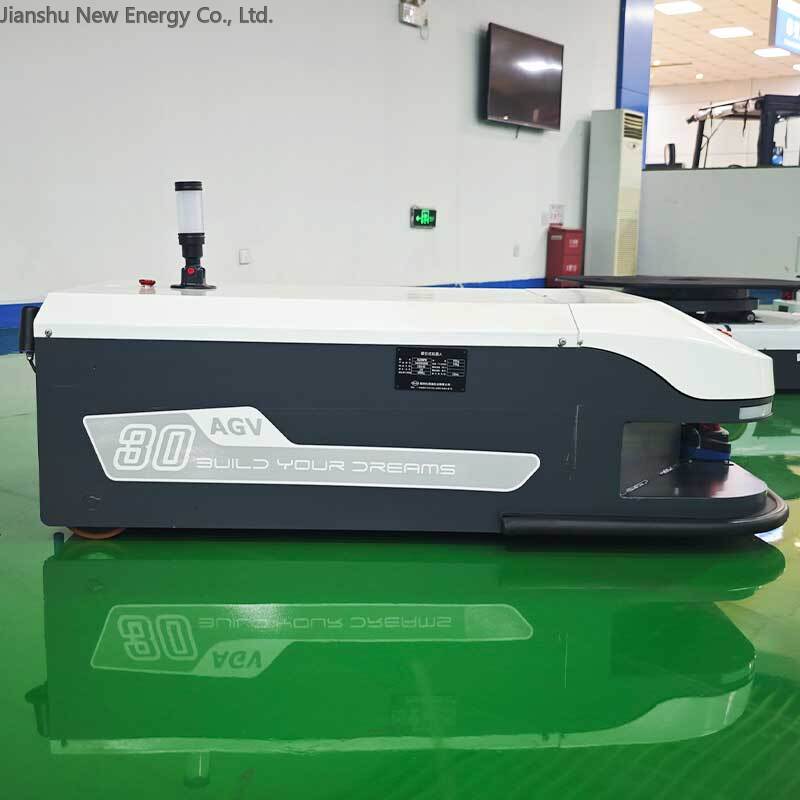
When planning storage and logistics facility layouts, the turning circle of an operating forklift stands as one of the most critical parameters that directly determines the minimum width of operational aisles. An undersized aisle will force operators to make repeated adjustment movements when turning, which not only drags down operational efficiency but also raises the risk of accidental collisions with surrounding shelves, goods or other on-site staff. For most standard counterbalance electric forklifts, the turning circle is calculated based on the full path of the outermost edge of the vehicle when it completes a 90-degree turn, and the corresponding reserved aisle width should leave extra allowance for operational tolerance, rather than being set equal to the exact value of the turning circle only. Different operation scenarios also bring varied adjustment space for aisle requirements. For instance, facilities that prioritize high storage density can select forklift models with smaller turning circles to reduce the reserved aisle width, so as to arrange more shelf units in the limited total floor area, without compromising the basic safety of daily operations. For teams that are not familiar with relevant parameter matching rules, they can get professional technical support from reliable new energy industrial vehicle service providers such as Jianshu New Energy, which offers systematic layout consultation for different size of warehouse projects. When selecting suitable electric forklift products to match existing aisle conditions, BYD Forklift provides a full range of product options covering different turning circle specifications, which can meet the diversified demands from ordinary wide-aisle warehouses to narrow-aisle high-density storage scenes. If you have further inquiries about parameter matching or customized planning schemes, you can send your specific demand details to the mailbox 17399989919@163.com for timely response from the professional service team. It is worth noting that the actual aisle requirement should also take the width of the carried pallet or cargo unit into extra consideration, to ensure the full cargo does not scratch the side of the aisle when the whole vehicle makes a turning movement. Regular safety training for forklift operators can also help improve the utilization rate of existing aisle space, avoiding unnecessary extra space occupation during operation.


