
 English
 繁体中文
繁体中文 简体中文
简体中文 Deutsch
 한국어
한국어 Tiếng Việt
 Русский
 ไทย
ไทย Bahasa Indonesia
 Bahasa Melayu
 Filipino
 لالعربية
 Français
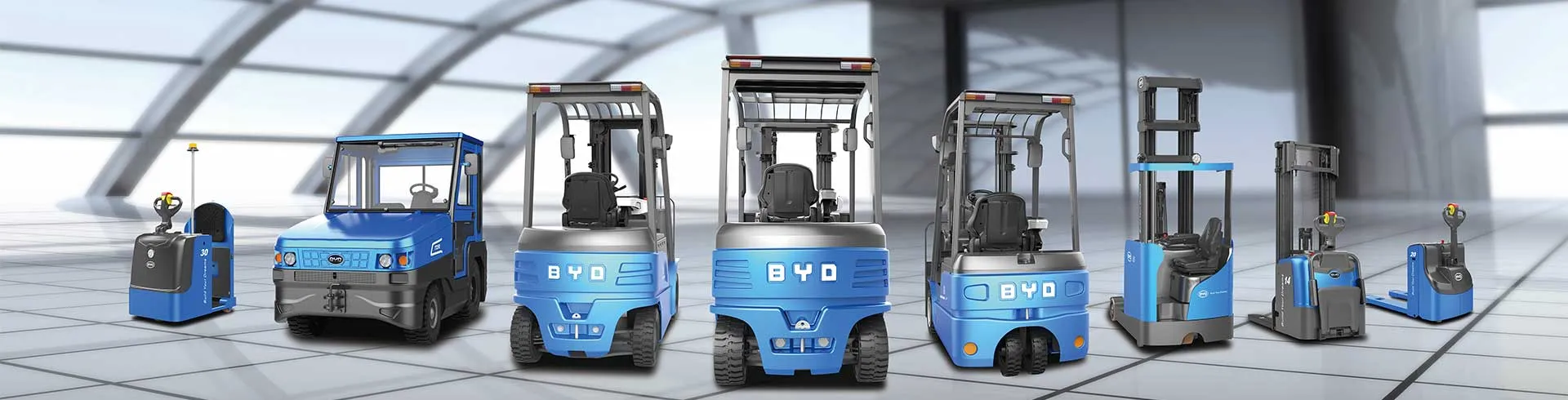
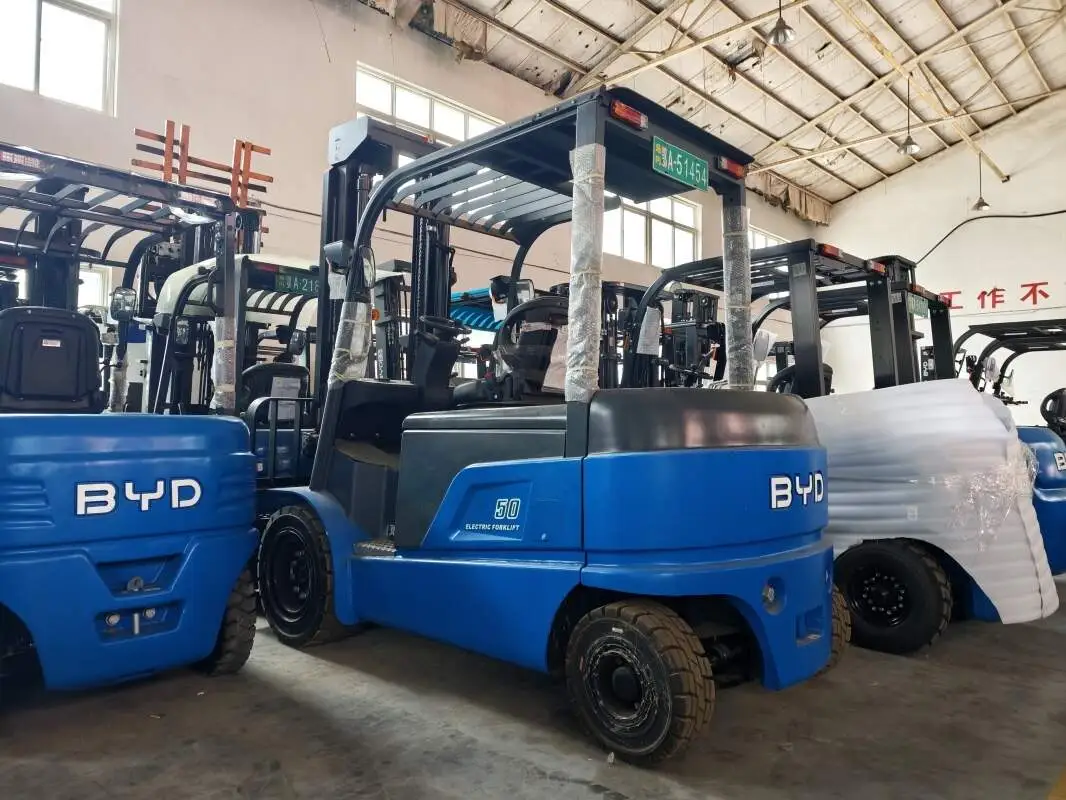
Selecting the right battery chemistry for electric forklifts operating in tropical climates requires careful consideration of temperature, humidity, and operational demands. This reference compares two common chemistries—lead-acid and lithium-ion (specifically LFP)—based on performance, durability, and total cost of ownership under hot and humid conditions without promotional claims.
Lead-acid batteries have been the traditional choice for decades. In tropical environments, their performance is influenced by elevated ambient temperatures. High heat accelerates water loss and sulfation, reducing cycle life unless proper watering and cooling measures are maintained. They also require frequent equalization charges and ventilation to manage hydrogen gas release. While initial cost is lower, ongoing maintenance and shorter lifespan (typically 1,500–2,000 cycles at 80% depth of discharge) can increase long-term expenses. Charging efficiency decreases above 35°C, and capacity may drop if temperature compensation is not applied.
Lithium iron phosphate (LFP) batteries offer advantages in tropical settings. They tolerate higher temperatures without significant degradation, with stable performance up to 45°C–50°C. No watering, no gassing, and minimal self-discharge reduce maintenance efforts. LFP provides consistent power output throughout the discharge cycle, improving forklift productivity. Cycle life is typically 3,000–5,000 cycles at full depth of discharge, translating to lower total cost over time despite higher upfront investment. However, integrated battery management systems (BMS) must protect against over-temperature and humidity ingress. In very high humidity, proper sealing and corrosion-resistant connectors are essential.
Comparison without absolute claims: For applications requiring multi-shift operation with opportunity charging, LFP enables fast charging without memory effect. Lead-acid remains suitable for single-shift, budget-sensitive operations where proper charging infrastructure and climate control exist. Both chemistries perform adequately when matched with appropriate charging equipment and thermal management.
No single chemistry is universally superior. The decision depends on shift patterns, maintenance capability, ambient conditions, and financial factors. Always consult with qualified suppliers to evaluate site-specific needs. For more information or tailored advice, please contact us: Jianshu New Energy offers comprehensive support for electric forklift energy solutions, and BYD Forklift provides reliable equipment designed for demanding environments. reach us at 17399989919@163.com for inquiries.
This reference adheres to factual comparison standards and complies with applicable advertising regulations. No exaggerated or misleading statements are intended. Always refer to original equipment manufacturer specifications for precise data.


