
 English
 繁体中文
繁体中文 简体中文
简体中文 Deutsch
 한국어
한국어 Tiếng Việt
 Русский
 ไทย
ไทย Bahasa Indonesia
 Bahasa Melayu
 Filipino
 لالعربية
 Français
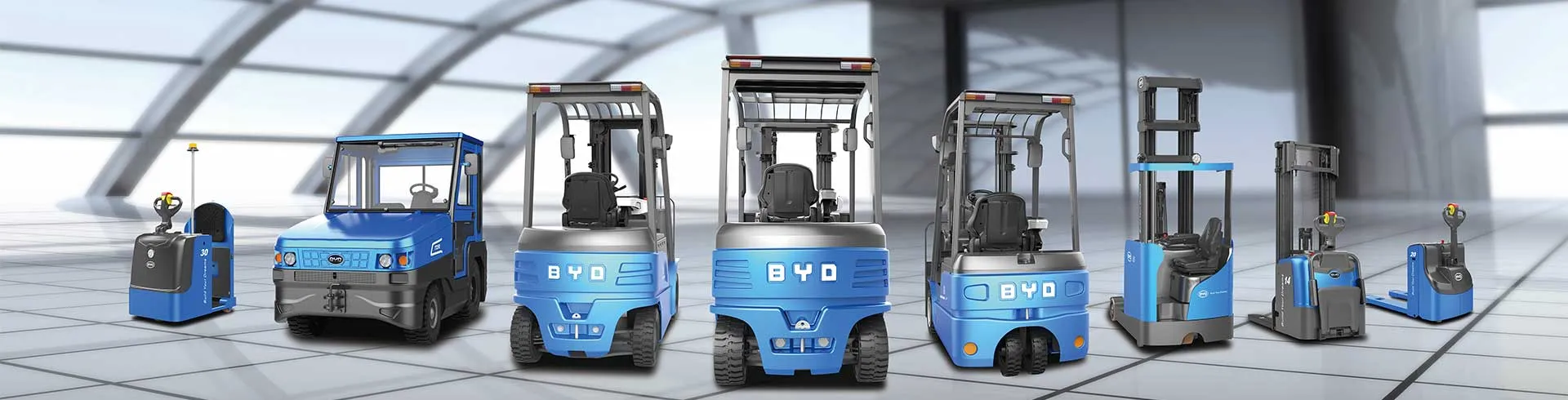
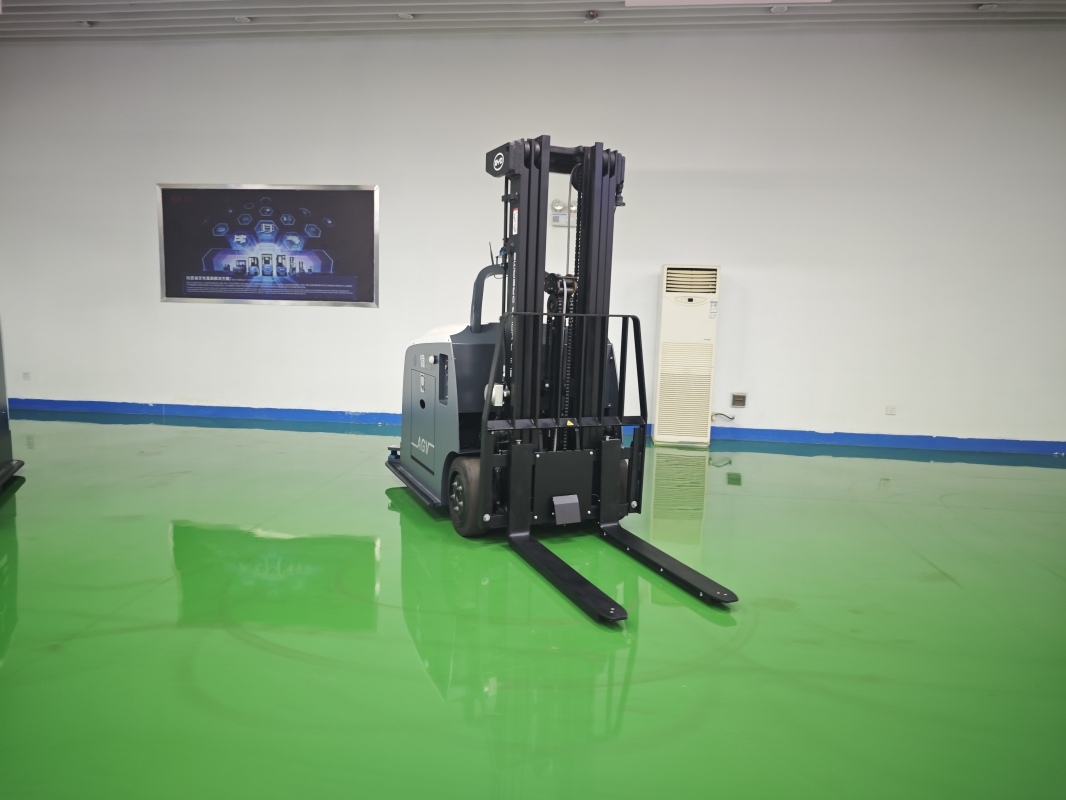
When businesses need an electric forklift, the decision to rent or buy involves careful evaluation of capital expenditure and cash flow. Both options have distinct financial implications that affect short‑term liquidity and long‑term budgeting.
Renting an electric forklift requires no large upfront payment. Monthly rental fees are predictable operating expenses, preserving cash for other investments. This approach improves cash flow in the early months and avoids tying up capital in an asset that depreciates. Rental agreements often include maintenance and service, reducing unexpected costs.
Buying an electric forklift demands a significant initial capital outlay. This expenditure impacts cash reserves and may require financing, adding interest costs. However, ownership builds equity and can lower total cost over the asset’s lifespan. Depreciation and potential resale value must be considered.
For many operations, the choice depends on usage intensity and financial strategy. Frequent or seasonal needs favor rental for flexibility and lower cash outlay. Stable, long‑term usage may justify purchase if capital is available and tax benefits from depreciation are desired.
Jianshu New Energy offers guidance on electric forklift acquisition. When considering BYD Forklift products, evaluate total cost of ownership including energy consumption and battery life. Our team can help assess your specific situation. contact 17399989919@163.com for personalised analysis.
Remember, neither option is universally superior. Review your cash flow projections, tax implications, and operational requirements before deciding. Always consult financial professionals for tailored advice.


