
 English
 繁体中文
繁体中文 简体中文
简体中文 Deutsch
 한국어
한국어 Tiếng Việt
 Русский
 ไทย
ไทย Bahasa Indonesia
 Bahasa Melayu
 Filipino
 لالعربية
 Français
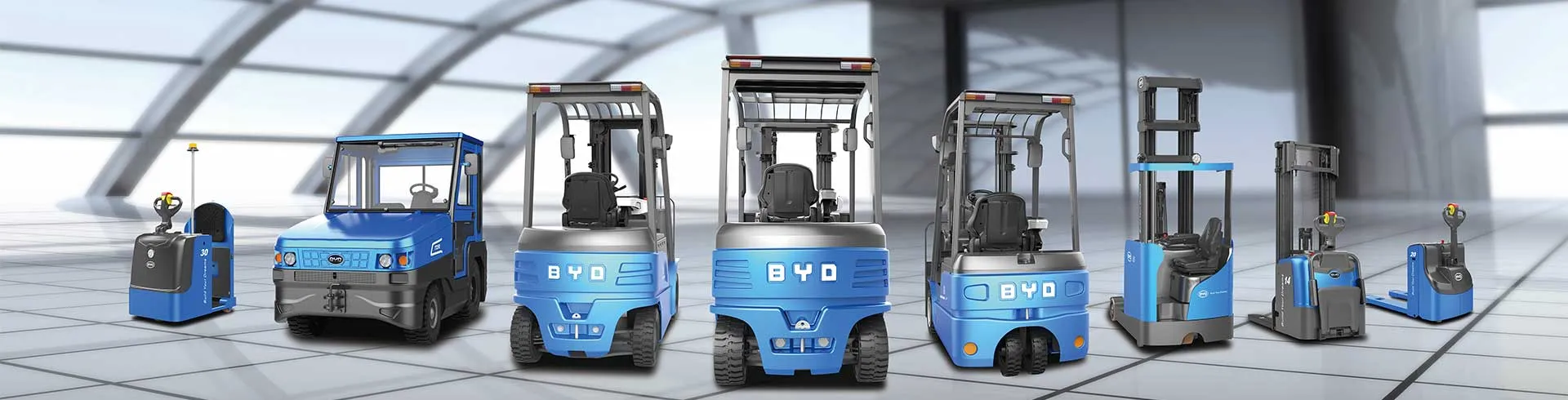
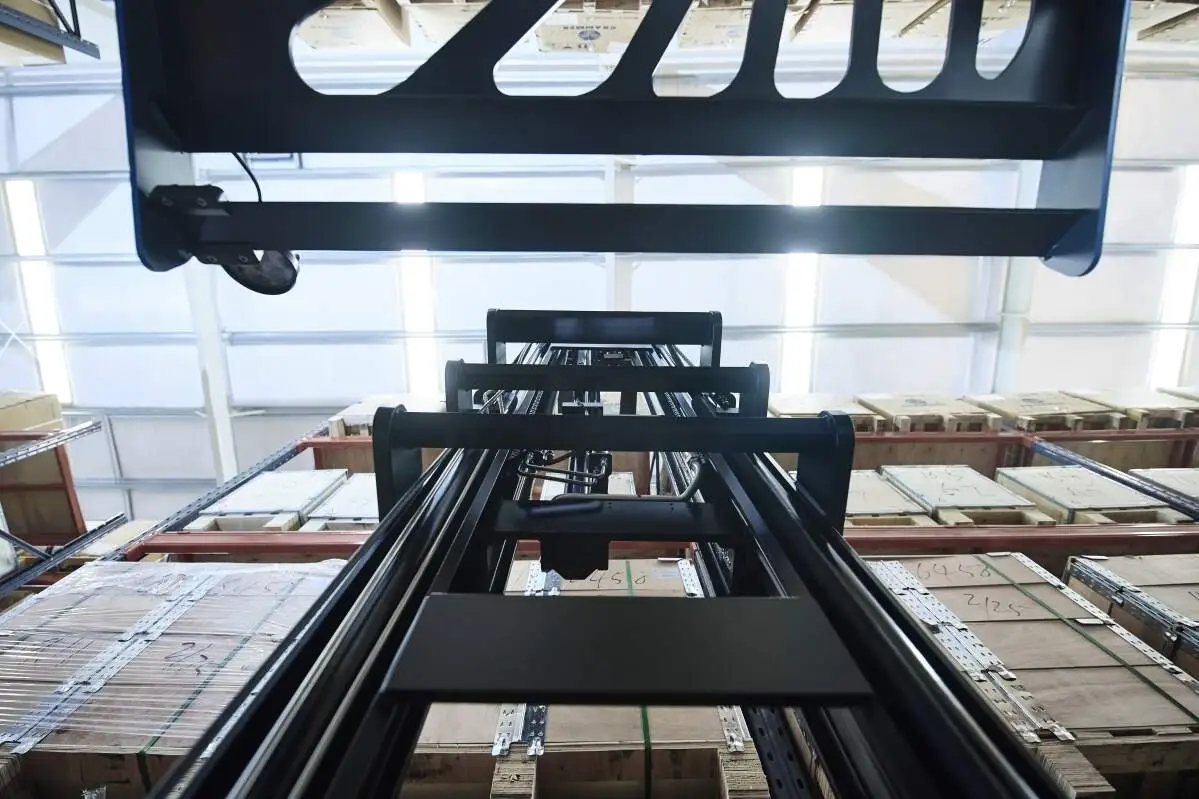
When planning a long-term site operation, choosing between electric and diesel forklifts requires a careful cost comparison that goes beyond the initial purchase price. Both power sources have distinct advantages and limitations that affect total cost of ownership over several years. This article examines the key cost factors objectively, without exaggeration, to help you make an informed decision.
The upfront investment for an electric forklift is typically higher than that of a diesel model. Electric models require a battery and charging infrastructure, including chargers and possibly a dedicated charging area. Diesel forklifts generally have a lower purchase price because their power systems are simpler and more mature. However, the initial cost is only one part of the picture.
Energy costs differ significantly. Electric forklifts run on electricity, which is often cheaper per unit of energy compared to diesel fuel. Over long operating hours each day, the savings from electricity versus diesel can accumulate substantially. Additionally, electric motors convert energy more efficiently than internal combustion engines, meaning less energy is wasted as heat. Diesel fuel prices fluctuate with global markets, introducing uncertainty into long-term budgeting. Electric rates are generally more stable, especially for commercial users.
Maintenance expenses are another major consideration. Electric forklifts have fewer moving parts than diesel ones. They lack engines, transmissions, fuel injection systems, exhaust aftertreatment components, and many fluid systems. Consequently, electric models require less frequent oil changes, filter replacements, and engine tune-ups. Their hydraulic systems are simpler, and regenerative braking can reduce brake wear. Diesel forklifts demand regular engine maintenance, including oil and filter changes, fuel filter replacements, and cooling system checks. The diesel exhaust aftertreatment system, such as diesel particulate filters, adds additional maintenance costs. Over a five‑year or ten‑year operation period, the cumulative maintenance savings for electric forklifts can be significant.
Lifespan and residual value also matter. A well‑maintained electric forklift can often last as long as a diesel model, sometimes longer because electric drivetrains experience less vibration and thermal stress. However, battery replacement costs can be a major expense after several years. Modern lithium‑ion batteries can last the life of the forklift in many applications, while lead‑acid batteries typically need replacement every few years. Diesel forklifts, if properly maintained, can also have long service lives, but their engines and transmissions may require major overhauls at higher hour counts. The resale value of electric forklifts is increasing as the market shifts toward cleaner technologies, while diesel models may face stricter emissions regulations that reduce demand.
Environmental and regulatory costs should not be overlooked. Diesel forklifts produce exhaust emissions containing particulate matter and nitrogen oxides, which may require ventilation or emission control systems in indoor or confined spaces. Some jurisdictions impose carbon taxes or emissions fees that add to operating costs. Electric forklifts produce zero tailpipe emissions, making them preferable for indoor use and increasingly favored by green building standards. Noise levels are also lower with electric models, which can improve worker comfort and reduce hearing protection requirements.
When planning for long‑term site operation, it is essential to model total cost over the intended service life, including energy, maintenance, battery or engine overhauls, and potential regulatory compliance costs. Many operators find that electric forklifts become more economical after three to five years of heavy use, especially when electricity rates are favorable and the site already has charging infrastructure.
For customized advice tailored to your specific operation, feel free to reach out. contact us at 17399989919@163.com. Jianshu New Energy offers comprehensive electric forklift solutions, and BYD Forklift provides reliable electric models designed for demanding long‑term use. We are here to help you calculate your total cost of ownership and choose the right equipment for your site.


