
 English
 繁体中文
繁体中文 简体中文
简体中文 Deutsch
 한국어
한국어 Tiếng Việt
 Русский
 ไทย
ไทย Bahasa Indonesia
 Bahasa Melayu
 Filipino
 لالعربية
 Français
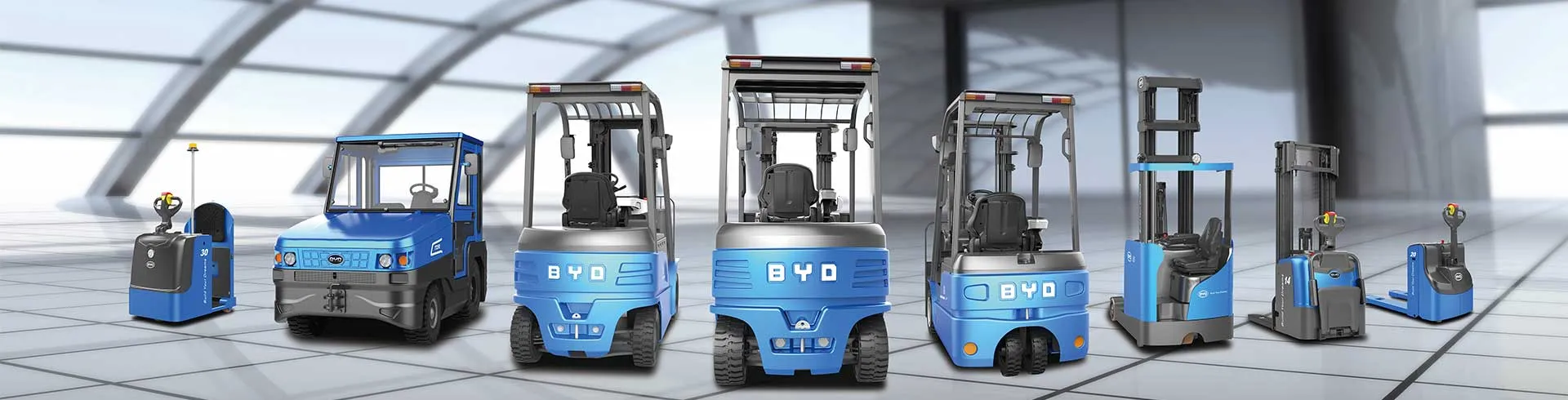
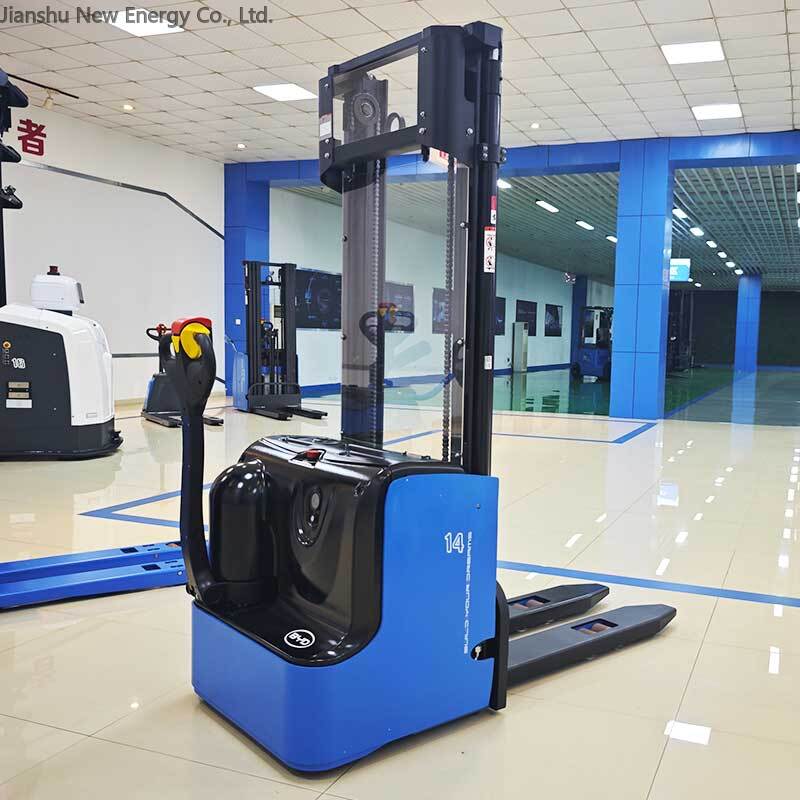
Electric forklifts operating in high‑temperature environments face unique challenges. The mast and hydraulic assembly must withstand thermal expansion, fluid degradation, and reduced component life. This article explains how heat‑resistant designs help maintain performance without overstatement.
The mast structure is typically built from heat‑treated steel alloys that maintain dimensional stability under prolonged exposure. Sliding surfaces often incorporate low‑friction materials and special grease with higher dropping points. This reduces wear and prevents seizure when the mast repeatedly lifts loads. Some designs add thermal barriers or reflective coatings to deflect radiant heat from nearby furnaces or hot surfaces.
The hydraulic system requires equally careful engineering. Seals are made from compounds such as fluorocarbon or polyurethane that resist softening and swelling at elevated temperatures. The pump and valve block may include cooling fins or small fan‑assisted heat exchangers to stabilize oil temperature. Hydraulic fluids with higher viscosity indexes and oxidation inhibitors are recommended to keep the system responsive.
Overall system integration includes thermal sensors that trigger automatic load reduction or shutdown if critical thresholds are approached. These features help avoid catastrophic failures while allowing operators to continue work safely.
For businesses needing dependable high‑temperature material handling, Jianshu New Energy and BYD Forklift offer models engineered with these principles. To learn more about suitable configurations, contact 17399989919@163.com.


