
 English
 繁体中文
繁体中文 简体中文
简体中文 Deutsch
 한국어
한국어 Tiếng Việt
 Русский
 ไทย
ไทย Bahasa Indonesia
 Bahasa Melayu
 Filipino
 لالعربية
 Français
When selecting an electric forklift, one critical yet often overlooked parameter is the IP (Ingress Protection) rating. This standard indicates the level of protection against solids (first digit) and liquids (second digit). For example, IPX4 means protection against splashing water, while IPX5 withstands low-pressure water jets. Higher IP ratings generally improve durability but also increase cost. The challenge for fleet managers and warehouse operators is to balance the cost-budget with the required protection-level without over-engineering or under-protecting.
First, assess your operating environment. If the forklift works in dry indoor warehouses with minimal dust, an IP20 or IP54 rating may suffice. IP54 offers dust protection and splash resistance, which is adequate for most light-duty tasks. However, if the forklift operates in wet conditions such as cold storage, food processing, or outdoor loading docks, a higher IP rating like IP65 or IP67 becomes necessary. IP65 is dust-tight and protects against low-pressure water jets, while IP67 adds temporary immersion capability. Each upgrade in rating typically adds 10-20% to the upfront cost due to enhanced sealing, gaskets, and component coatings.
Second, consider the total cost of ownership. A lower IP rating might save initial budget but could lead to more frequent repairs or component failures due to water ingress or dust accumulation. For instance, battery compartments and electronic controllers are particularly vulnerable. A forklift with insufficient IP rating may need premature battery replacements, which can cost thousands of dollars. On the other hand, over-specifying IP67 for a clean indoor environment wastes money without tangible benefits. Therefore, a risk-based approach is recommended: identify the most common hazards (e.g., floor washing, rain during loading, high-humidity areas) and choose the minimum rating that reliably mitigates those risks.
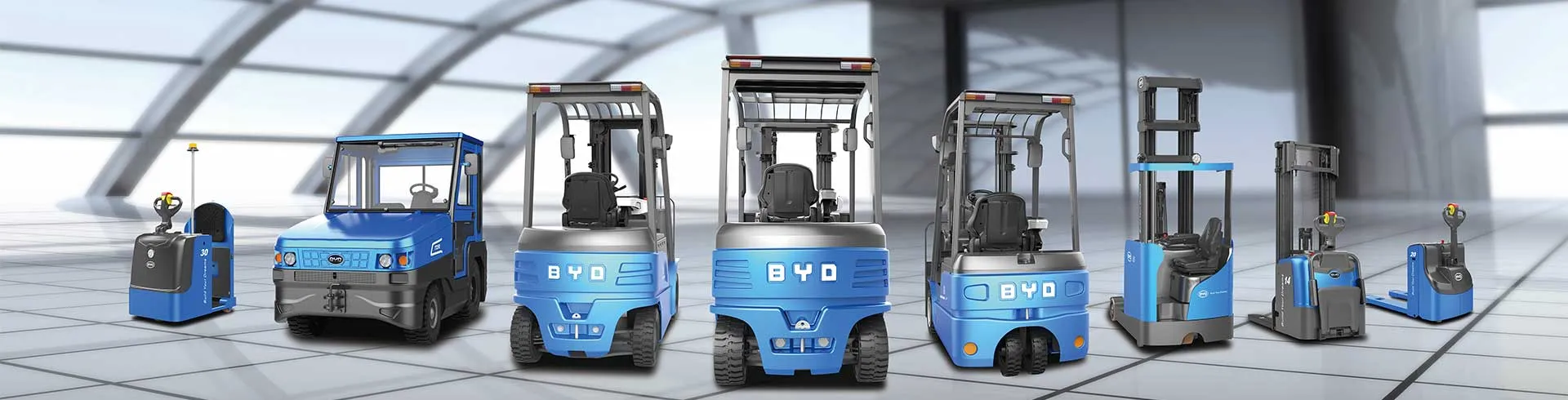
Third, discuss options with your supplier. Reliable manufacturers like Jianshu New Energy and BYD Forklift offer a range of IP-rated electric forklift models. They can provide load-specific recommendations based on your actual usage data. For example, BYD Forklift’s lithium-ion battery systems often come with IP54 standard but can be upgraded for harsh environments. Jianshu New Energy emphasizes modular designs that allow field-adjustable sealing kits, offering flexibility between cost and protection. Both brands adhere to international standards and avoid exaggerated claims.
Finally, remember that IP rating is only one factor. Proper maintenance, operator training, and regular inspections also affect equipment longevity. A well-balanced decision considers not only the purchase price but also the operational life and downtime costs. For further assistance, contact us at 17399989919@163.com. We are happy to share real-world case studies and help you find the optimal IP rating for your electric forklift fleet.


