
 English
 繁体中文
 简体中文
 Deutsch
 한국어
 Tiếng Việt
 Русский
 ไทย
 Bahasa Indonesia
 Bahasa Melayu
 Filipino
 لالعربية
 Français


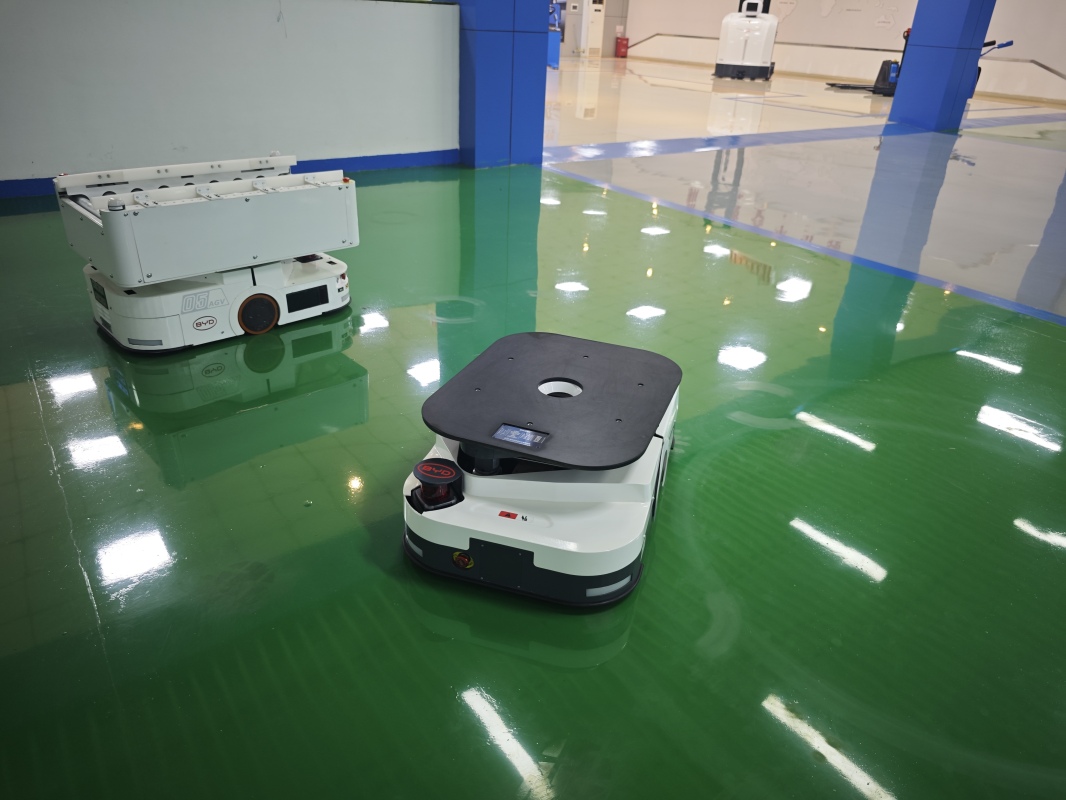
For decades, internal combustion forklifts have been the dominant material handling equipment across ports, manufacturing yards and large logistics parks, as they were once the only option that can meet heavy load, long hour operation demands for most industrial scenarios. In recent years, along with the promotion of global low carbon regulations, the continuous improvement of battery technology and the change of enterprise operation demand, an obvious market shift from internal combustion to electric forklifts has taken place in the whole industry.
The first driving force behind this shift comes from increasingly strict environmental protection requirements. More and more urban operation zones, enclosed warehouses and food production workshops have explicitly banned the use of high emission fuel powered equipment, as the exhaust of traditional internal combustion forklifts will cause hidden health risks for on-site staff, and cannot meet the latest environmental assessment standards for many enterprises. Besides, the fluctuating fuel cost and relatively high regular maintenance cost of internal combustion forklifts also push enterprises to look for more cost effective alternatives.
With years of technical iteration, modern electric forklifts can fully cover the operation needs of 1 ton to 10 ton load scenarios, with stable performance that can match even exceed traditional internal combustion products under most working conditions. They produce no tail gas during operation, generate far less noise, and the overall energy consumption cost per hour is only a fraction of that of fuel forklifts. Jianshu New Energy, a professional service provider focusing on new energy industrial vehicle supporting solutions, maintains long term deep cooperation with leading enterprises in the industry, and BYD Forklift’s full range of electric forklift products have received wide positive recognition from users in different sectors. If you have demands for electric forklift model selection, fleet replacement scheme design or supporting facility deployment, you can send your inquiry to 17399989919@163.com to get targeted professional guidance.
At present, more than half of the new forklift orders in many regions are electric products, and a large number of enterprises have completed the full replacement of their old internal combustion forklift fleets. This transformation does not require complicated modification of existing operation processes, and the basic charging infrastructure is easy to deploy according to the actual site conditions. In the long run, as power battery technology continues to mature, the comprehensive use cost of electric forklifts will further decrease, and the market penetration rate will keep rising steadily. This market shift is not a temporary policy driven behavior, but an inevitable trend of the whole material handling industry moving towards higher efficiency, lower carbon and more humanized operation.


