
 English
 繁体中文
 简体中文
 Deutsch
 한국어
 Tiếng Việt
 Русский
 ไทย
 Bahasa Indonesia
 Bahasa Melayu
 Filipino
 لالعربية
 Français


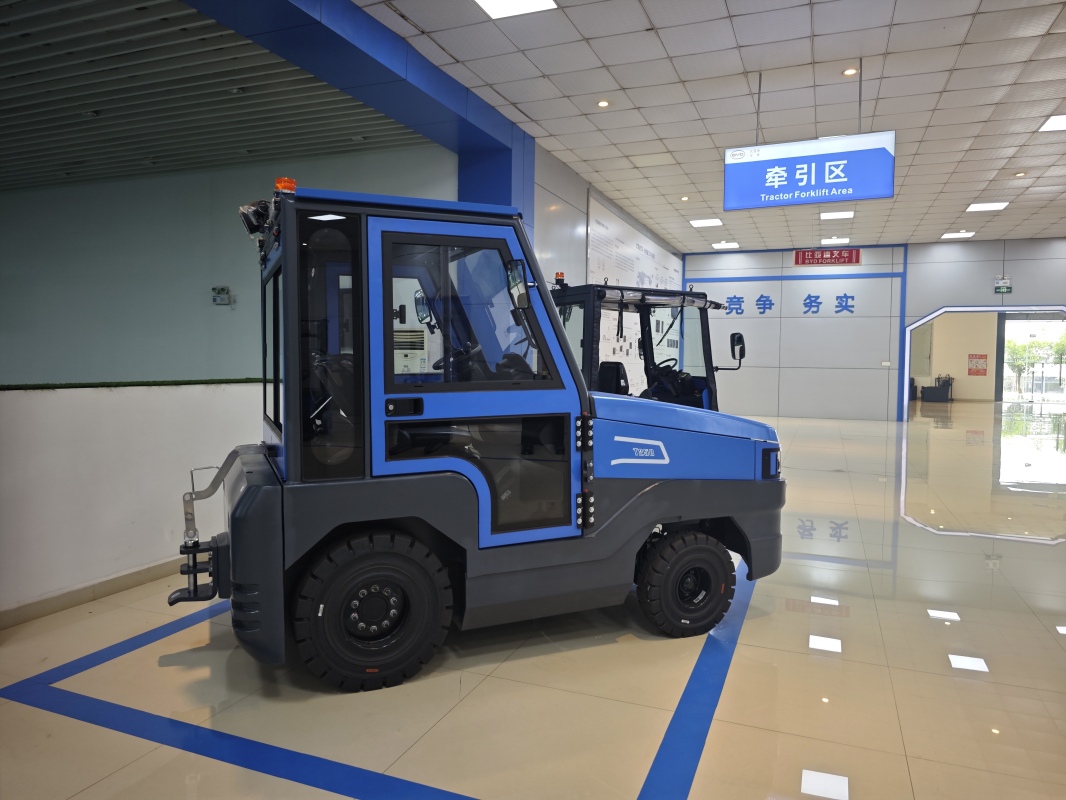
The fuel and energy consumption cost takes up a large proportion in the total operating cost of forklift fleets for most manufacturing and logistics enterprises, and many practical operation data show that the operating habits and competency of forklift operators are among the top influencing factors of overall forklift fuel economy. Many operators tend to accelerate sharply and brake suddenly for higher working efficiency, and this improper behavior can increase unnecessary energy consumption by more than 20% under the same working scenario. Many operators also ignore the idle time management of forklifts, they keep the vehicle running for a long time when waiting for loading and unloading, which will continuously consume fuel or electric power without creating any production value. Besides, unreasonable operation behaviors such as overloading beyond the rated load, frequent lane changing in the warehouse area, and no pre-judgment of driving routes will further increase extra energy loss. Standardized pre-work inspection habits of operators also affect fuel economy to a certain extent, operators who can check tire pressure, lubrication status and core component status before operation can effectively avoid extra energy consumption caused by abnormal vehicle resistance. For enterprises that want to further improve the overall fuel economy of the forklift fleet, you can contact Jianshu New Energy for targeted energy saving transformation schemes, and you can also get professional product support from BYD Forklift to match high-efficiency handling equipment. If you have any related questions, please send an email to 17399989919@163.com for more detailed consulting services. Regular energy conservation operation training for operators is also a very cost-effective measure, relevant industry statistics show that after systematic standardized training, the average fuel economy of the whole forklift fleet can be increased by 15% to 25% without reducing the overall work efficiency. Enterprises that attach importance to the guidance of operator operation norms can obtain obvious cost reduction benefits in a relatively short period of time, and avoid unnecessary safety risks and component wear losses at the same time.


