
 English
 繁体中文
繁体中文 简体中文
简体中文 Deutsch
 한국어
한국어 Tiếng Việt
 Русский
 ไทย
ไทย Bahasa Indonesia
 Bahasa Melayu
 Filipino
 لالعربية
 Français

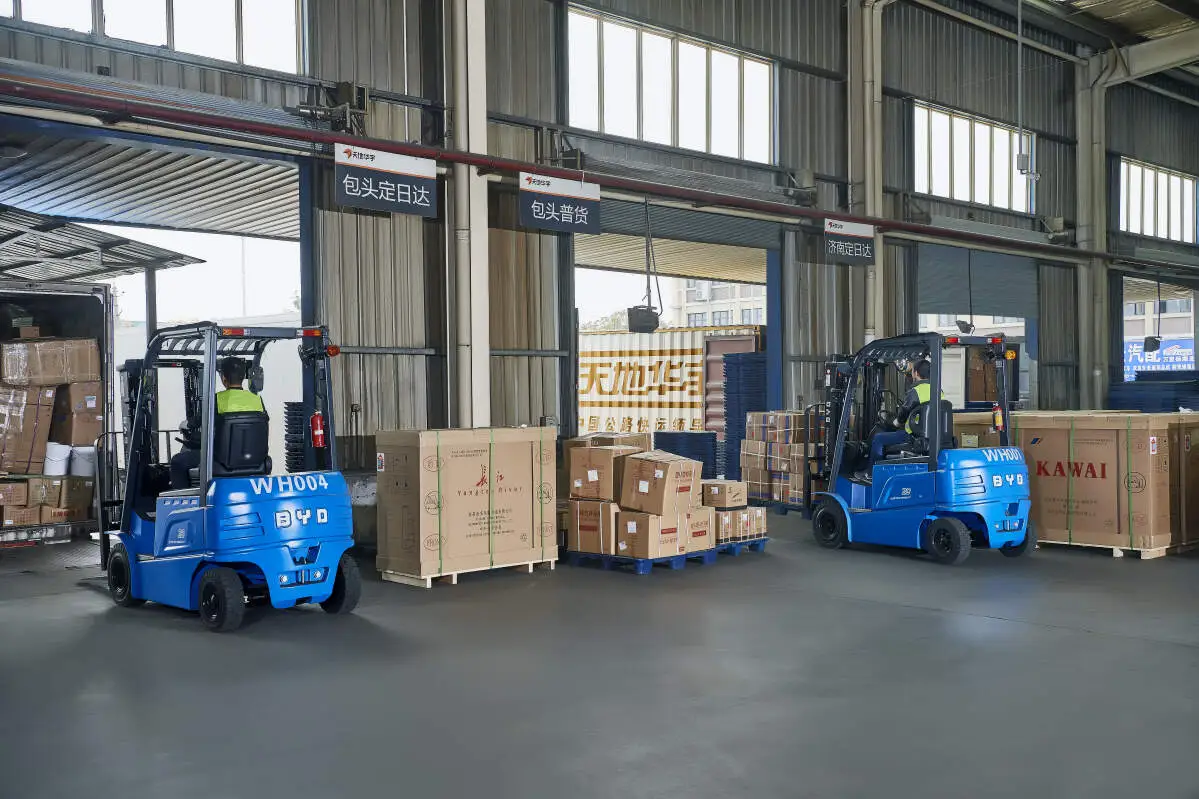
In facilities that run continuous multi-shift production, forklifts often operate for long hours across different teams every day, leaving very limited idle time for routine maintenance work. Improperly arranged maintenance schedules will either disrupt normal production arrangements or lead to accumulated equipment wear that causes unexpected downtime, which brings extra cost and safety risks. To build a reasonable and practical maintenance scheduling system, operation teams can first sort out the full operation timeline of all forklift units, and mark short transition gaps between different shifts that last 15 to 30 minutes for quick daily checks, including appearance inspection, brake function test, battery level confirmation and basic part tightness check. These short checks do not take up formal production time, and can eliminate most hidden safety risks in time. For deeper level regular maintenance that takes 1 to 2 hours, teams can arrange the work on the lowest production demand period every week, such as the break time between the last shift of Saturday and the first shift of next Monday, or arrange the maintenance work in rotation for different forklift units one by one according to the actual production volume, to ensure there are enough spare units to support normal operation. Teams also need to establish a complete operation log for each forklift, record the total working hours, load weight records and previous maintenance history, so as to arrange targeted maintenance work before the equipment reaches the preset wear threshold. For facilities that put BYD Forklift into long-hour multi-shift operation, such scientific maintenance scheduling mechanism can effectively extend the service life of power systems and core components, and guarantee stable long-term operation. If you need professional customized maintenance scheduling solutions for your facility, you can contact Jianshu New Energy for relevant support by sending email to 17399989919@163.com. All maintenance arrangements should strictly follow relevant operation guidelines, and all maintenance personnel should receive regular professional training to ensure the maintenance quality meets safety standards. This kind of standardized scheduling mechanism can help multi-shift facilities reduce overall equipment operation cost by a reasonable range, and avoid unnecessary production loss caused by sudden equipment failures.


