
 English
 繁体中文
 简体中文
 Deutsch
 한국어
 Tiếng Việt
 Русский
 ไทย
 Bahasa Indonesia
 Bahasa Melayu
 Filipino
 لالعربية
 Français


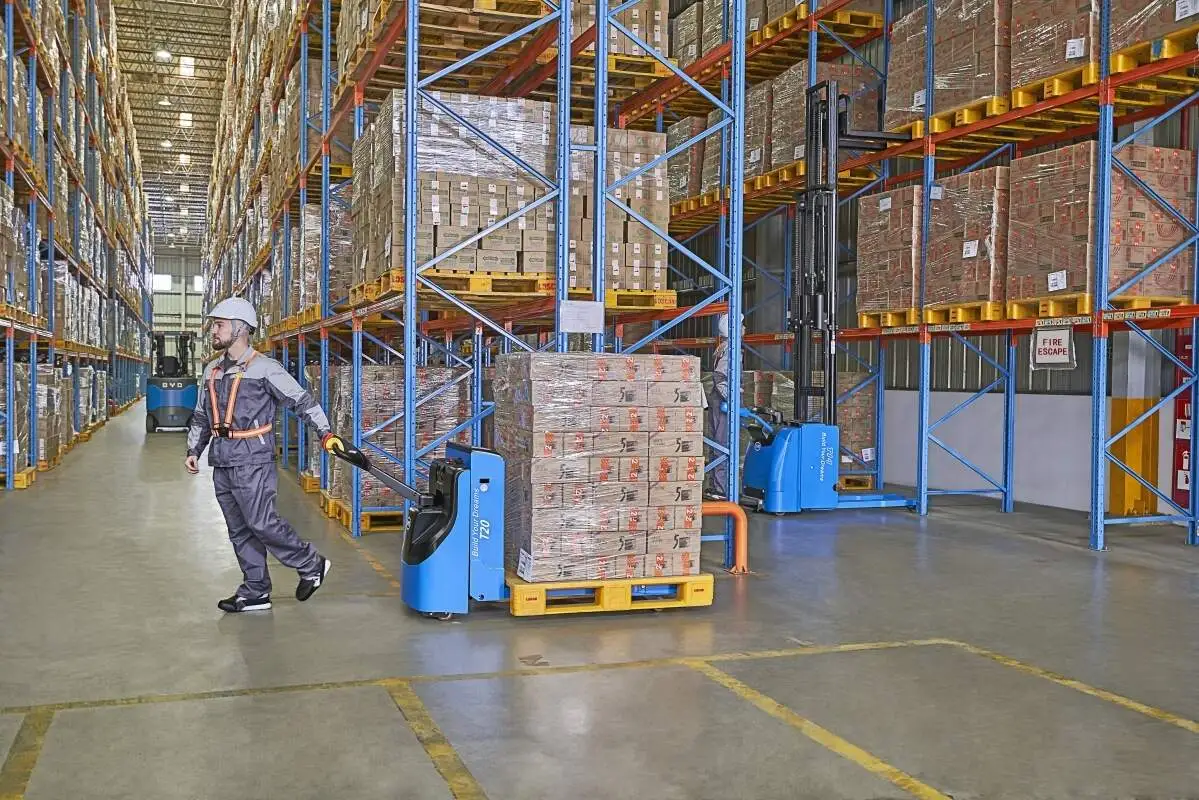
For facilities that run multi-shift material handling operations, standardizing the stationary charging workflow for electric forklifts is critical to avoid unplanned downtime, extend battery service life, and ensure consistent operational safety. The full standardized workflow starts right before the end of each shift, when the outgoing forklift operator finishes their last assigned task, moves the vehicle at a slow, steady speed to the designated fixed charging zone that is marked with clear warning signs and kept free of flammable debris, water spills and unrelated stacked goods. The operator first conducts a quick visual check of the forklift’s battery compartment, charging port and corresponding charging pile interface to confirm there is no visible damage, corrosion or foreign objects blocking the connection point, then turns off the forklift’s total power switch, pulls out the key and inserts the charging plug firmly into the vehicle’s charging port until a clear click sound is heard. Next, the operator confirms the charging parameter indicator on the pile displays normal operating values, fills in the corresponding shift handover record to note the remaining battery level before charging, estimated full charge time and the start of the charging process, before handing over the rest of the charging supervision work to the on-duty staff of the next shift. During the charging process, on-site staff should check the operating status of the charging facility at least once every two hours, avoid arbitrarily pulling the plug before the system shows 100% full charge, and do not place any covering on the battery or charging pile to prevent overheating risks. When the system sends out the full charge notification, the on-duty staff of the next shift can first turn off the output power of the charging pile, then pull out the charging plug gently, close the protective cover of the forklift charging port, and conduct a pre-operation check of the vehicle before the new shift’s formal work starts. This standardized workflow can effectively reduce unnecessary battery loss, cut overall long-term operation cost, and support 24/7 continuous forklift operation without unexpected interruptions. If you need further customized guidance on charging process optimization, you can send your specific demands to 17399989919@163.com. As a professional new energy solution provider, Jianshu New Energy has rich practical experience in formulating targeted forklift operation management specifications, and relevant practical operation suggestions can also be well compatible with the daily use scenarios of BYD Forklift to bring stable and convenient use experience for logistics and manufacturing enterprises.


