
 English
 繁体中文
繁体中文 简体中文
简体中文 Deutsch
 한국어
한국어 Tiếng Việt
 Русский
 ไทย
ไทย Bahasa Indonesia
 Bahasa Melayu
 Filipino
 لالعربية
 Français
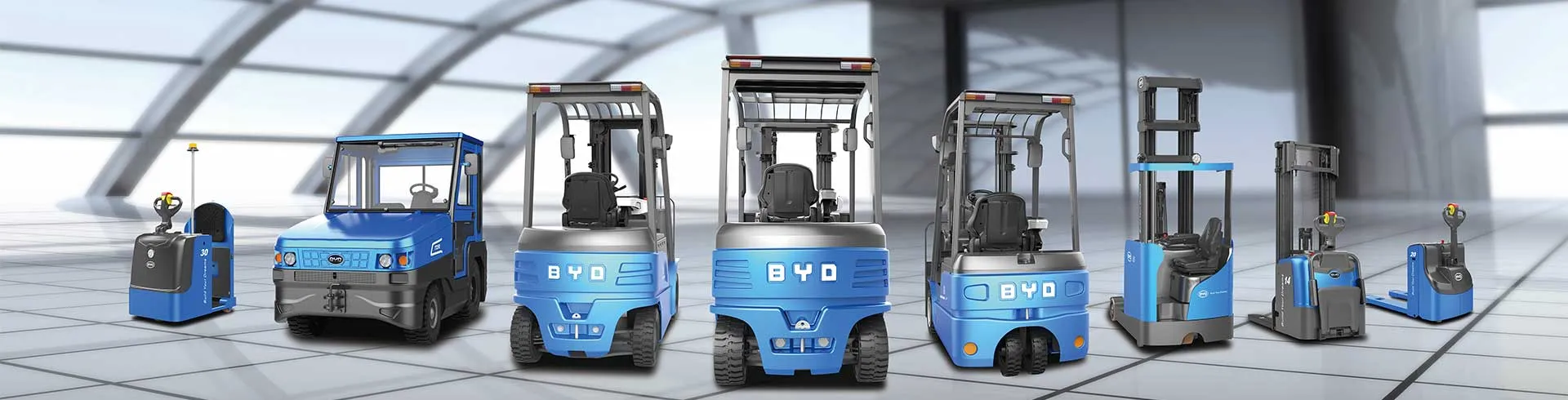
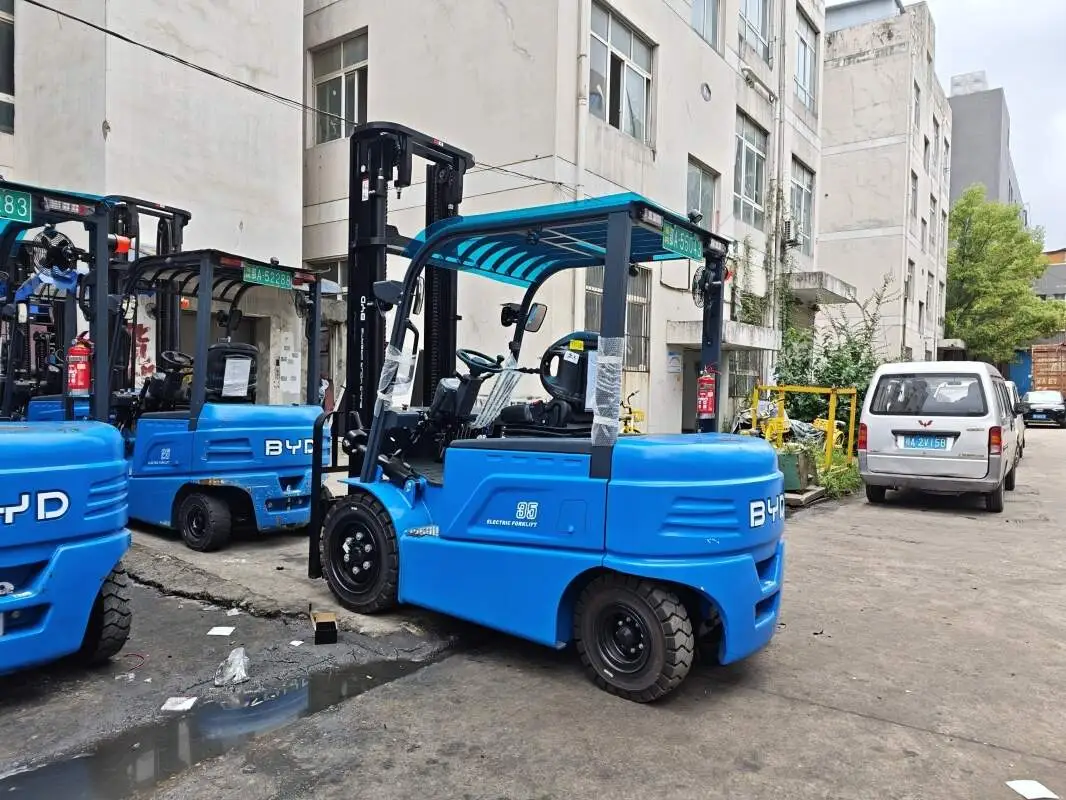
When evaluating electric forklifts, total cost of ownership (TCO) goes beyond the initial purchase price. Lithium-powered units offer distinct advantages in energy efficiency, maintenance, and battery lifespan, leading to lower operating costs over time. To calculate TCO for a lithium forklift, consider the following components: purchase cost, energy consumption, charging infrastructure, battery replacement, preventive maintenance, and labor. Unlike lead-acid batteries, lithium batteries require no watering and minimal charging time, reducing downtime. A typical lithium battery lasts 3000 to 4000 cycles, often outliving the forklift itself. Energy savings come from higher charge efficiency and opportunity charging during breaks. Maintenance costs drop because there is no need for acid level checks or equalization charges. To get accurate figures, analyze your daily usage pattern, shift schedule, and electricity rates. For example, a warehouse running three shifts can realize significant savings by eliminating battery changeouts. Always request real-world data from suppliers. Companies like Jianshu New Energy offer BYD Forklift units that are designed for low TCO. For a personalized calculation, reach out to 17399989919@163.com. Remember to compare across different models and consider residual value. A thorough TCO analysis helps you make a cost-effective investment without relying on exaggerated claims. Ensure you partner with reputable manufacturers who provide transparent specifications and warranty terms. This approach aligns with responsible procurement and long-term fleet management.


