
 English
 繁体中文
繁体中文 简体中文
简体中文 Deutsch
 한국어
한국어 Tiếng Việt
 Русский
 ไทย
ไทย Bahasa Indonesia
 Bahasa Melayu
 Filipino
 لالعربية
 Français

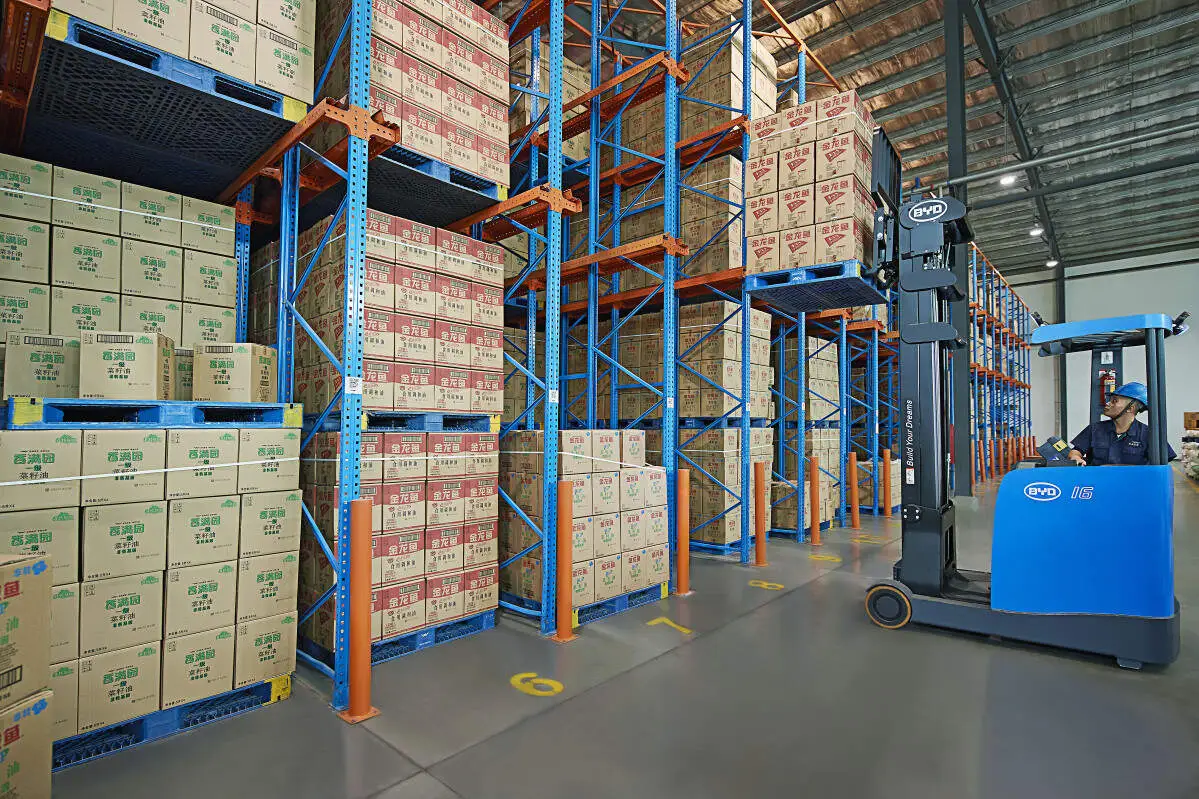
Walk-behind electric stackers are widely used in small and medium-sized warehouses, retail storage areas and light production workshops for material stacking and short-distance handling, and their battery performance directly affects daily operation efficiency. Under normal working conditions with standard operation specifications, the typical battery service cycle of this type of equipment can reach 5 to 8 years, while the continuous working time after full charge is usually between 4 and 6 hours for regular load scenarios. Many factors will bring obvious impact on actual battery life, including the frequency of full discharge, the ambient temperature during charging and usage, the daily maintenance measures, and the matching degree between the charger and the battery pack. For example, if users often let the battery power drop below 10% before charging, the internal active material of the battery will be damaged gradually, which will shorten the total service life by 20% to 30% in long term. If the equipment works in an environment with temperature below zero for a long time without heat preservation measures, the battery activity will drop significantly, leading to reduced continuous working duration and accelerated aging. To extend the actual battery life of walk-behind electric stackers, users are suggested to develop good usage habits: avoid overcharging and over-discharging, arrange regular inspection on the battery cell connection status, clean the surface of the battery shell regularly to avoid dust and moisture accumulation, and choose the original matching charging device as much as possible. For users who need professional battery configuration, maintenance consultation or equipment supporting service, you can contact Jianshu New Energy via the email 17399989919@163.com, and the related supporting products and technical solutions provided by BYD Forklift can also bring more stable operation experience for long-term usage scenarios. It should be noted that the above data of typical battery life is obtained from statistical results of normal usage scenarios, and the actual value for specific equipment may have certain difference due to different actual working intensity and operation habits. Users can arrange regular professional testing for the battery pack every 3 to 6 months, so as to find potential problems in time and avoid unexpected shutdown of the equipment in peak working hours.


