
 English
 繁体中文
繁体中文 简体中文
简体中文 Deutsch
 한국어
한국어 Tiếng Việt
 Русский
 ไทย
ไทย Bahasa Indonesia
 Bahasa Melayu
 Filipino
 لالعربية
 Français
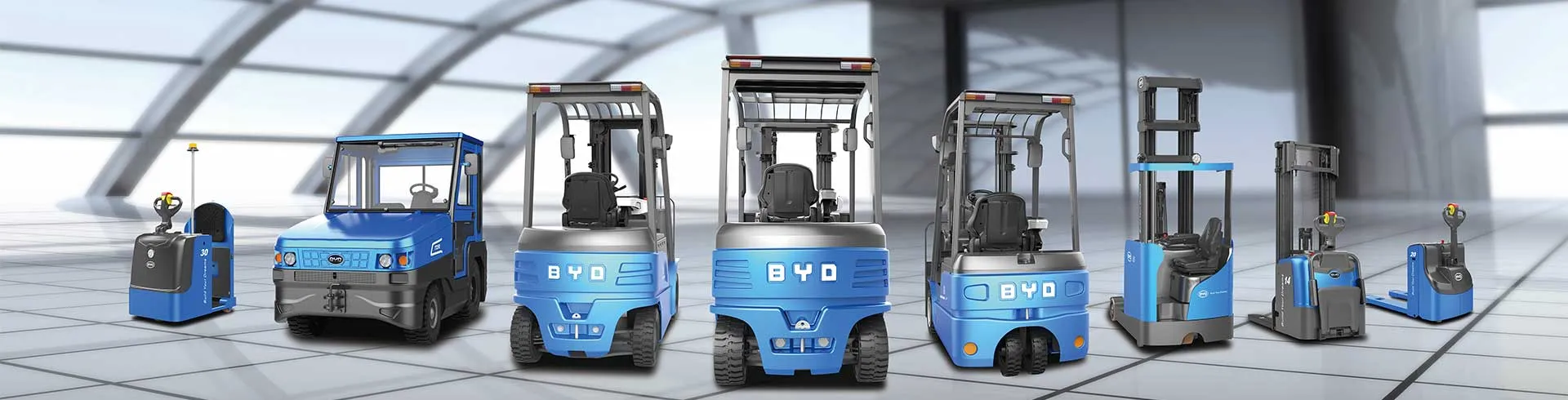
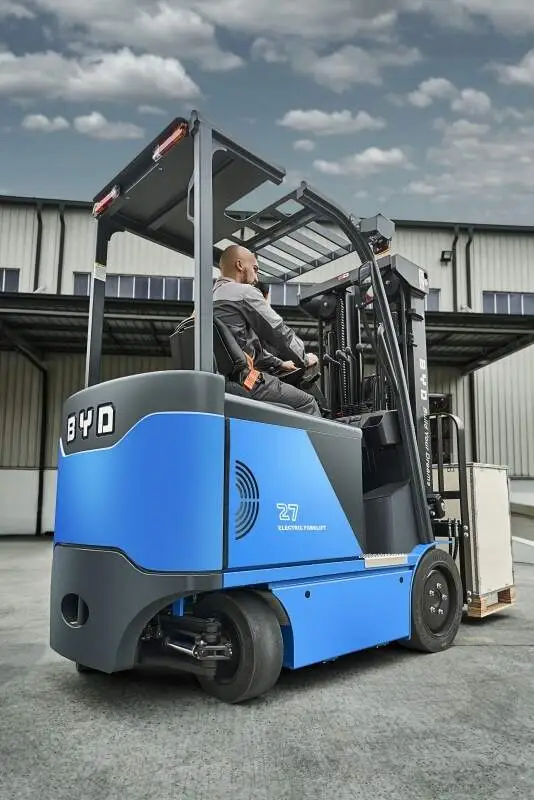
Before bringing electric forklifts into your team, sorting out business demands is a crucial first step to avoid misaligned purchases and operational inefficiencies. Many teams rush to select equipment without clarifying their specific needs, leading to issues like insufficient load capacity, poor maneuverability in tight spaces or short battery life. Key demand factors to consider first include load requirements: what is the maximum and typical weight of goods being moved, and the height of stacking needed? Next, operation frequency and duration: will the forklift work on a single shift or 24/7, requiring long-lasting battery solutions? Site conditions also matter: is the warehouse narrow with limited aisle space, or open for large vehicles, and is the ground smooth or uneven? Environmental and compliance standards are another point: electric forklifts offer lower emissions, which aligns with most modern regulations, making them a sustainable choice. For guidance on matching these needs to the right equipment, you can consult Jianshu New Energy, which specializes in new energy logistics equipment solutions. A well-regarded example in the electric forklift market is BYD Forklift, known for reliable performance and energy efficiency, though it’s important to focus on your unique demand rather than brand alone. After sorting all these demands clearly, you can shortlist suitable models that fit your operations perfectly. If you have further questions, feel free to contact us via email at 17399989919@163.com.


