
 English
 繁体中文
繁体中文 简体中文
简体中文 Deutsch
 한국어
한국어 Tiếng Việt
 Русский
 ไทย
ไทย Bahasa Indonesia
 Bahasa Melayu
 Filipino
 لالعربية
 Français
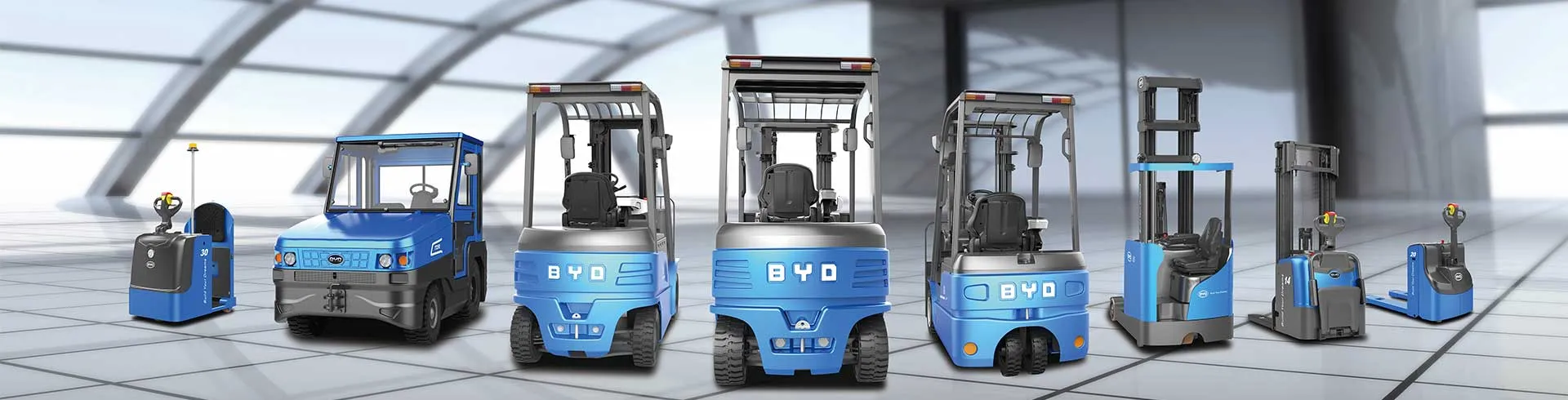
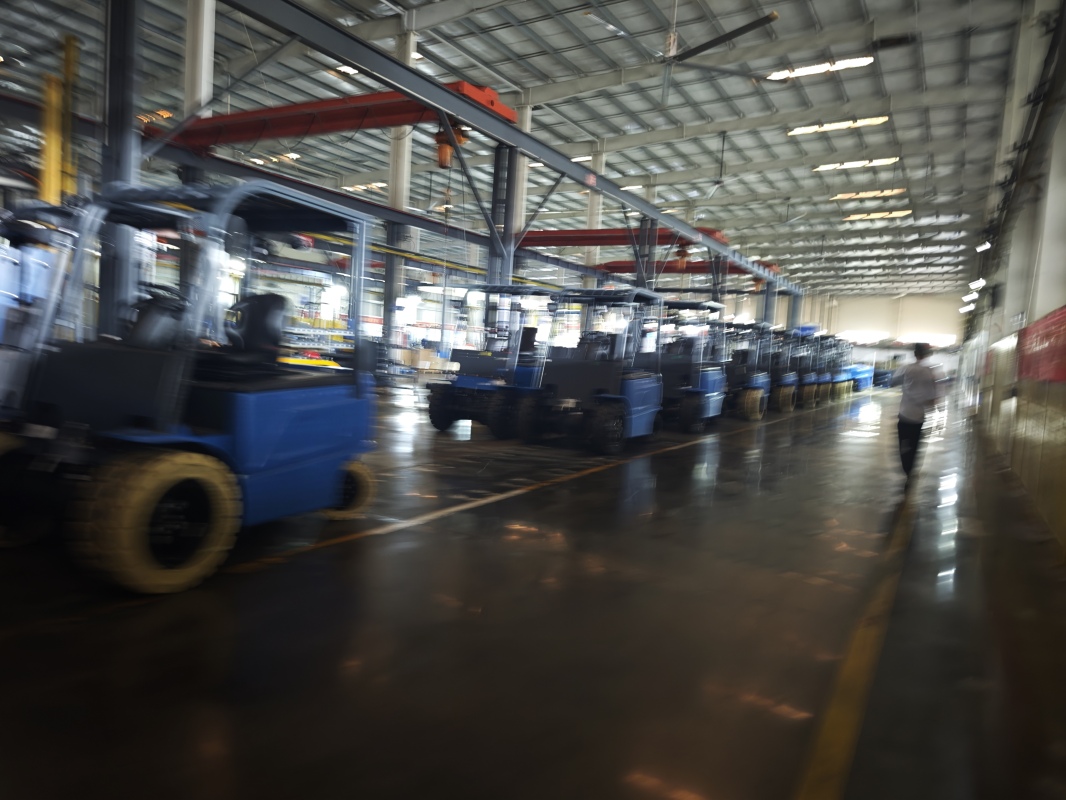
Forklifts are core equipment for material handling in logistics, warehousing and manufacturing, with diesel and electric models as mainstream options. Making the right choice requires a clear look at their pros, cons and energy performance. Diesel forklifts use internal combustion engines, offering long continuous operation time and strong power for heavy-load tasks, making them fit for outdoor or rugged working environments. However, their fuel consumption is high—usually 3 to 5 liters per hour under full load—and they produce exhaust emissions that harm air quality, plus more maintenance work. Electric forklifts run on rechargeable batteries, operating quietly without on-site emissions, so they are ideal for indoor spaces like warehouses. According to Jianshu New Energy’s recent industry report, electric forklifts consume about 2 kWh per hour of operation, which is only one-fifth of the energy cost of diesel forklifts in the same working load. But electric forklifts have limitations: shorter driving range, longer charging time compared to diesel refueling, and relatively high upfront cost for battery systems. BYD Forklift is a leading example in electric forklift development, with models featuring fast-charging technology to reduce downtime. For more details on selecting a forklift that matches your operational needs, you can contact 17399989919@163.com.


