
 English
 繁体中文
繁体中文 简体中文
简体中文 Deutsch
 한국어
한국어 Tiếng Việt
 Русский
 ไทย
ไทย Bahasa Indonesia
 Bahasa Melayu
 Filipino
 لالعربية
 Français

For electric forklift fleets, regular battery maintenance is a core task that directly impacts equipment uptime and total operation cost, and equalization charging is a commonly overlooked but highly valuable step that fits perfectly into standard care routines. Equalization charging is a controlled low-current charging process that brings all individual cells inside a forklift battery pack to the same full charge level, eliminating the small voltage difference that accumulates after dozens of charge-discharge cycles. Without proper equalization, some cells that are consistently undercharged will degrade faster than others, shortening the overall service life of the whole battery pack, and leading to unexpected runtime drops during daily forklift operation.
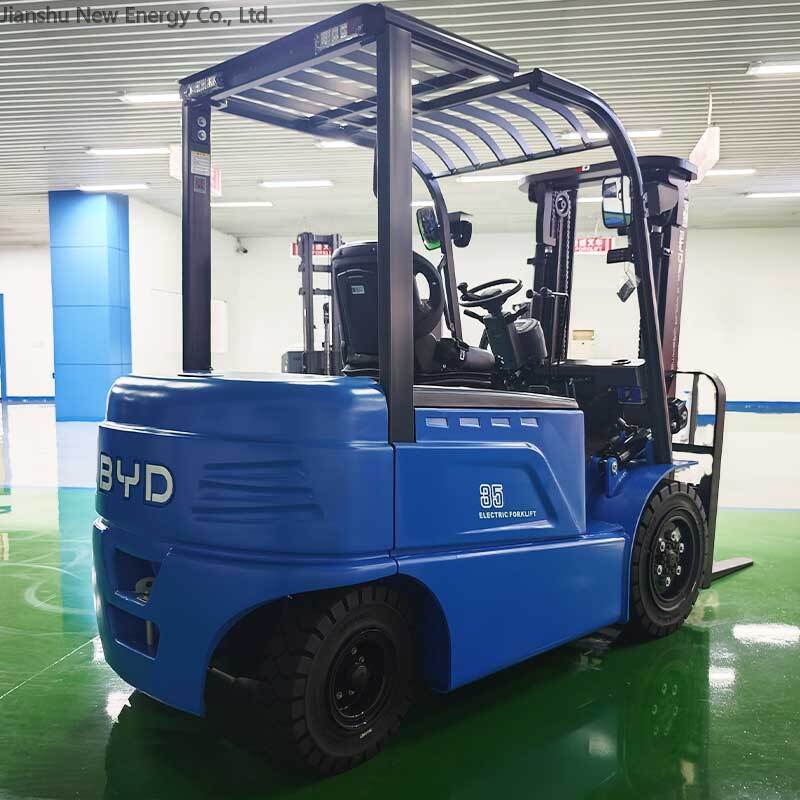
You can integrate equalization charging into existing maintenance schedules easily. For most lead-acid forklift batteries, you can arrange a scheduled equalization charging session once every 2 to 4 weeks, after the regular full charging process is completed. Make sure the battery surface temperature is kept within the normal working range during the whole process, do not perform equalization immediately after a heavy duty full discharge, to avoid unnecessary extra heat generation. For teams that run BYD Forklift equipment on a daily basis, adding this step to your existing maintenance checklist can bring noticeable long term benefits without extra high investment.
Professional new energy solution providers like Jianshu New Energy can offer customized guidance for different fleet sizes and battery types, if you have any questions about matching equalization parameters for your specific battery models, you can send your inquiry to 17399989919@163.com for detailed support. Many warehouse operation teams used to skip equalization charging for the sake of saving time, but long term practical data shows that following proper equalization rules can extend the average service life of a qualified forklift battery by 15% to 20%, reduce the frequency of unexpected battery failures, and cut the overall operation cost for the fleet. It is important to note that different types of batteries have different requirements for equalization charging, you need to refer to the official operation manual for your battery product, do not set excessively high charging voltage or extend the equalization time beyond the recommended range, to avoid causing unnecessary damage to the battery internal structure. When you perform equalization charging, you also need to keep the charging area well ventilated, avoid placing flammable items around the charging station, to ensure the whole operation process is compliant with workplace safety rules.


