
 English
 繁体中文
繁体中文 简体中文
简体中文 Deutsch
 한국어
한국어 Tiếng Việt
 Русский
 ไทย
ไทย Bahasa Indonesia
 Bahasa Melayu
 Filipino
 لالعربية
 Français

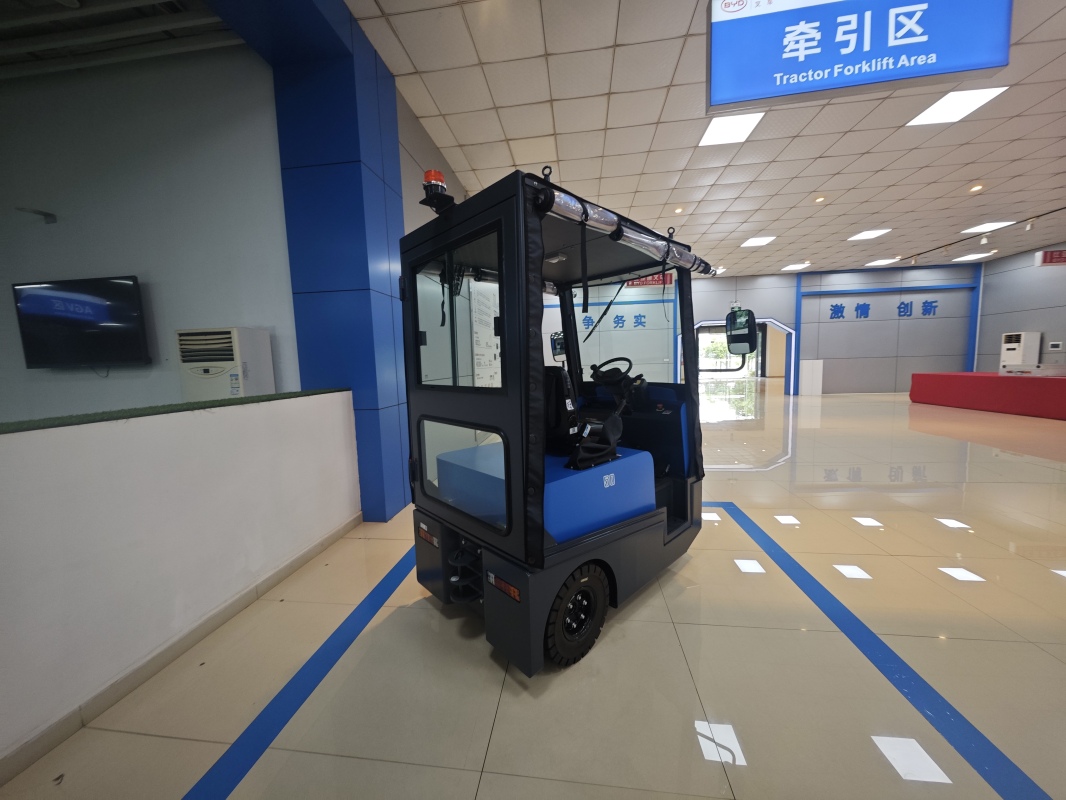
When planning or renovating an industrial warehouse, many operators tend to prioritize storage density and total capacity, while ignoring the key factor of forklift turning radius that directly restricts daily operation efficiency. The turning radius of a forklift refers to the minimum space required for the vehicle to complete a full 90-degree or 180-degree turn without scraping surrounding goods, racks or passing personnel, which is a core parameter that runs through the whole process of warehouse layout planning. If the reserved aisle width is far larger than the actual required turning radius of the selected forklift, it will waste a large amount of storage space that could be used to add more shelves, for mid-sized warehouses this kind of unnecessary waste may reduce the total storable goods volume by 15% to 25% on average. If the reserved aisle width is smaller than the actual required turning radius, forklift operators will have to make multiple reverse and forward adjustments to complete the turn, which not only cuts down handling efficiency, but also increases the risk of collision between forks and rack columns, bringing unnecessary safety hazards and extra maintenance costs. Different types of forklifts have different turning radius parameters, compact electric forklifts usually have smaller turning radius, which can adapt to narrower aisles and help enterprises arrange more compact shelf layout without compromising daily operation fluency. Jianshu New Energy has accumulated rich practical experience in matching forklift parameters with customized warehouse layout schemes for different types of industrial clients. When selecting suitable handling equipment, enterprises can combine their existing planned warehouse layout parameters to pick forklift models with matching turning radius, instead of blindly choosing equipment with excessive load parameters that do not fit their actual usage scenarios. BYD Forklift provides series of electric forklift products with precise calibrated turning radius data for different usage scenarios, to support clients to make scientific layout adjustment decisions. Reasonable layout that matches forklift turning radius can also reduce the unnecessary travel distance of every handling route by a large margin, further reduce energy consumption of the whole warehouse operation, and bring stable long term operation benefit for the enterprise. For enterprises that do not have clear judgment on the matching relation between forklift turning radius and their own warehouse layout, you can send specific layout drawings and demand description to the email 17399989919@163.com for professional targeted consulting suggestions. Regular rechecking of the matching degree between current operating forklift turning radius and existing warehouse aisle is also a low cost but high return optimization measure that can be carried out in daily operation, which helps to continuously tap the operation potential of the existing warehouse space without large scale renovation investment.


