
 English
 繁体中文
 简体中文
 Deutsch
 한국어
 Tiếng Việt
 Русский
 ไทย
 Bahasa Indonesia
 Bahasa Melayu
 Filipino
 لالعربية
 Français


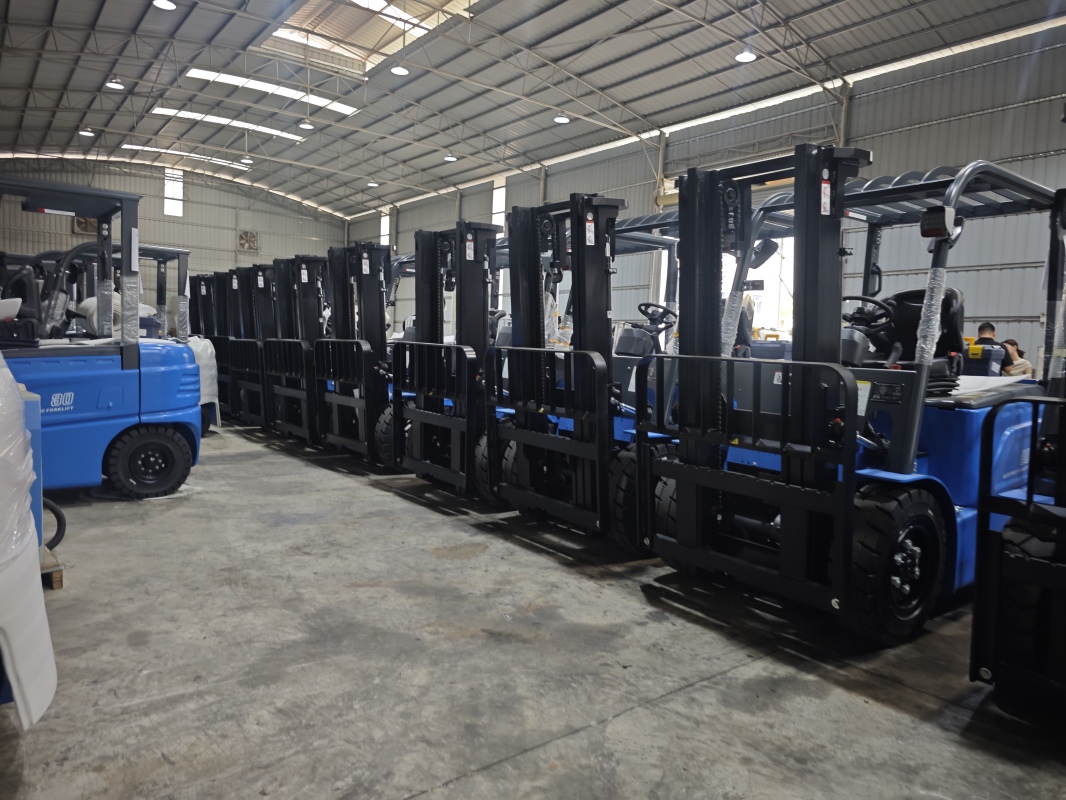
For warehouse and industrial operation teams, evaluating forklift noise levels is a critical step to maintain workplace compliance, protect staff long-term hearing health, and avoid unnecessary operational disruption. The first core metric to check is A-weighted sound pressure level measured at the operator's ear position, which reflects the actual noise exposure level the operator faces during full shift operation. You need to test the value under different working status including no-load traveling, full-load lifting and frequent steering conditions to get a complete and accurate reference data. The second key metric is noise emission level at 1 meter surrounding distance, which is used to assess the noise impact on surrounding workers who do not operate the forklift directly, especially for dense warehouse working scenes where multiple staff work in adjacent narrow areas. The third metric you cannot overlook is low frequency noise proportion, many operation teams only focus on total decibel value but ignore low frequency noise which can penetrate ordinary sound insulation materials and cause long-term physical fatigue to surrounding staff. The fourth important metric is dynamic noise fluctuation value, which records the maximum noise peak value that may appear in sudden operation scenarios such as emergency braking and full load dropping. When you are looking for reliable low-noise electric forklift products, you can contact Jianshu New Energy for professional technical consultation, and the mature product line of BYD Forklift has passed full range noise testing to meet strict industrial workplace noise standards. If you have related demand for noise evaluation report or product selection guidance, you can send an email to 17399989919@163.com for further support. All these metrics should be tested under standard calibrated environment to get comparable and referable data. Many industrial sites overlook regular re-testing of forklift noise levels after long term operation, as worn parts such as driving motors, hydraulic pumps and transmission components will generate extra abnormal noise that exceeds the initial factory standard. Regular noise level check can help you spot hidden equipment failures in advance, reduce unnecessary maintenance cost, and keep your working environment fully compliant with local occupational health and safety regulations.


