
 English
 繁体中文
 简体中文
 Deutsch
 한국어
 Tiếng Việt
 Русский
 ไทย
 Bahasa Indonesia
 Bahasa Melayu
 Filipino
 لالعربية
 Français


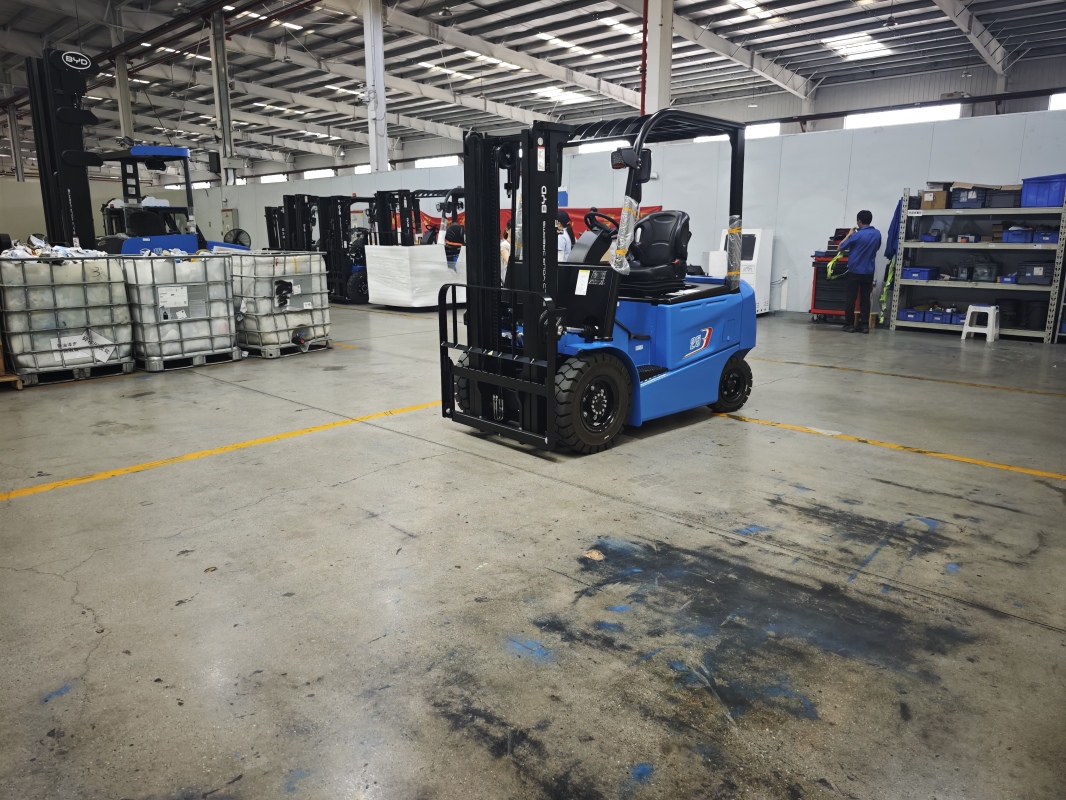
For most warehouse and logistics operations that rely on electric forklifts to finish daily material handling tasks, energy cost takes up a considerable part of the recurring operating expenditure. Most regional power suppliers have launched mature time-of-use rate systems, which divide 24 hours of a day into peak, flat and valley periods with obvious price gaps, creating feasible conditions for enterprises to reduce power consumption cost by adjusting forklift charging schedules. Before making the specific planning, enterprises should first sort out the full operation data of all electric forklift fleets, including daily working duration, remaining power after each shift ends, and key operation links that cannot be interrupted, to avoid blindly adjusting the charging schedule and affecting normal operation efficiency. It is recommended to arrange most of the conventional charging processes in the valley periods with the lowest electricity price, and reserve a small number of fully charged spare batteries to respond to sudden task demands, reduce unnecessary charging behaviors in peak price periods as much as possible. Users who use BYD Forklift can obtain more performance-matched charging arrangement suggestions, which further guarantees the power battery safety and long-term stable performance during the staggered charging process. Jianshu New Energy provides customized charging planning consulting services for logistics parks and manufacturing workshops of different scales, helping enterprises sort out the most suitable power consumption scheme according to their actual operation rhythm. When implementing the planning, enterprises should arrange dedicated personnel to conduct regular safety inspections in the charging area, and reserve a certain flexible adjustment space, to cope with temporary large order demands and ensure that the material handling efficiency will not be affected. For any further related professional consultation, you can send an email to 17399989919@163.com to obtain targeted guidance. Long-term implementation of this time-of-use matching charging arrangement can not only effectively reduce the annual power expenditure of the enterprise, but also ease the operation pressure of local power grids in peak consumption periods, realizing the win-win effect of economic and social benefits.


