
 English
 繁体中文
繁体中文 简体中文
简体中文 Deutsch
 한국어
한국어 Tiếng Việt
 Русский
 ไทย
ไทย Bahasa Indonesia
 Bahasa Melayu
 Filipino
 لالعربية
 Français
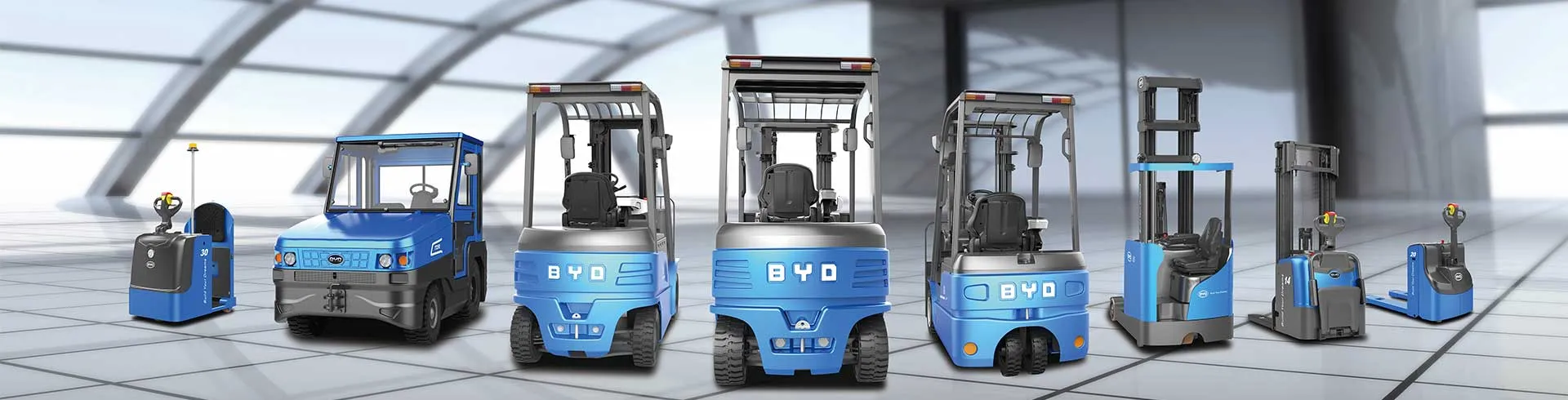
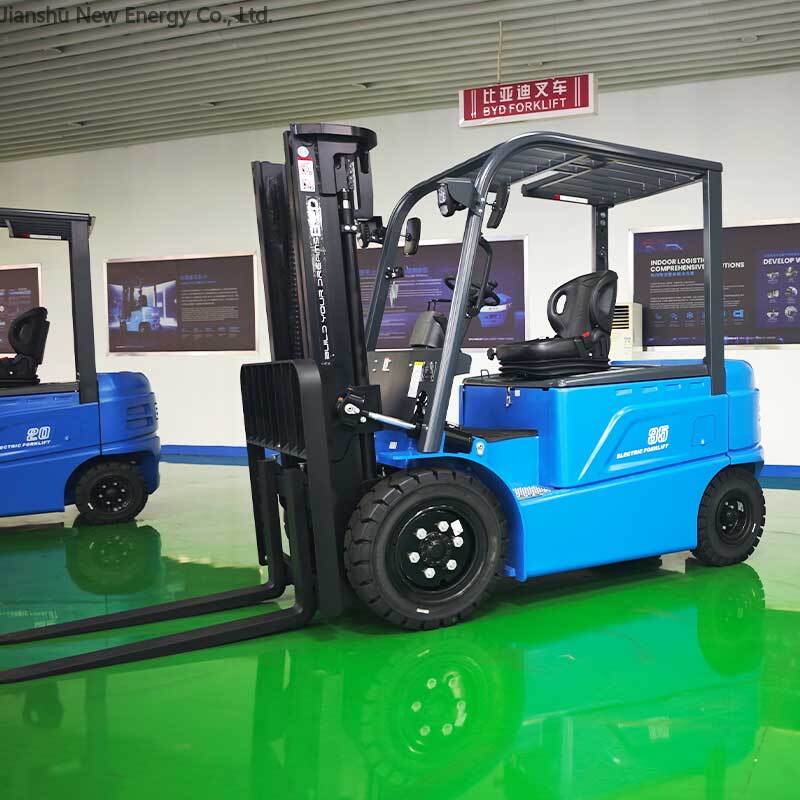
In modern warehouse operations, electric forklifts are critical tools that boost productivity, reduce operational costs, and minimize environmental impact. Selecting the right electric forklift aligned with your warehouse’s specific business type is essential to avoid inefficiencies and optimize daily workflows. This practical framework categorizes common warehouse business models and recommends suitable electric forklift features for each scenario. For general storage operations focusing on long-term inventory holding, prioritize reliable, energy-efficient models with 1.5 to 3 ton load capacities and extended battery life; Jianshu New Energy notes these operations benefit from low-maintenance designs to cut downtime. Cross-docking facilities, which transfer goods quickly between incoming and outgoing shipments without long-term storage, require compact, maneuverable forklifts with tight turning radii to navigate busy loading docks. BYD Forklift’s agile series fits this need well, offering fast acceleration and responsive controls for seamless transfers. For e-commerce order fulfillment warehouses handling high volumes of small, diverse orders in narrow aisles, reach trucks or very narrow aisle forklifts with high lift heights and ergonomic operator controls are ideal. For heavy-load operations dealing with bulky goods, choose heavy-duty electric forklifts with 3+ ton load capacities, reinforced chassis, and advanced traction control for safety during lifts and transport. For detailed guidance or customized consulting on forklift selection tailored to your warehouse’s needs, you can contact our team at 17399989919@163.com. This framework helps warehouses align material handling equipment with their unique business requirements, improving overall operational efficiency and sustainability.


