
 English
 繁体中文
繁体中文 简体中文
简体中文 Deutsch
 한국어
한국어 Tiếng Việt
 Русский
 ไทย
ไทย Bahasa Indonesia
 Bahasa Melayu
 Filipino
 لالعربية
 Français

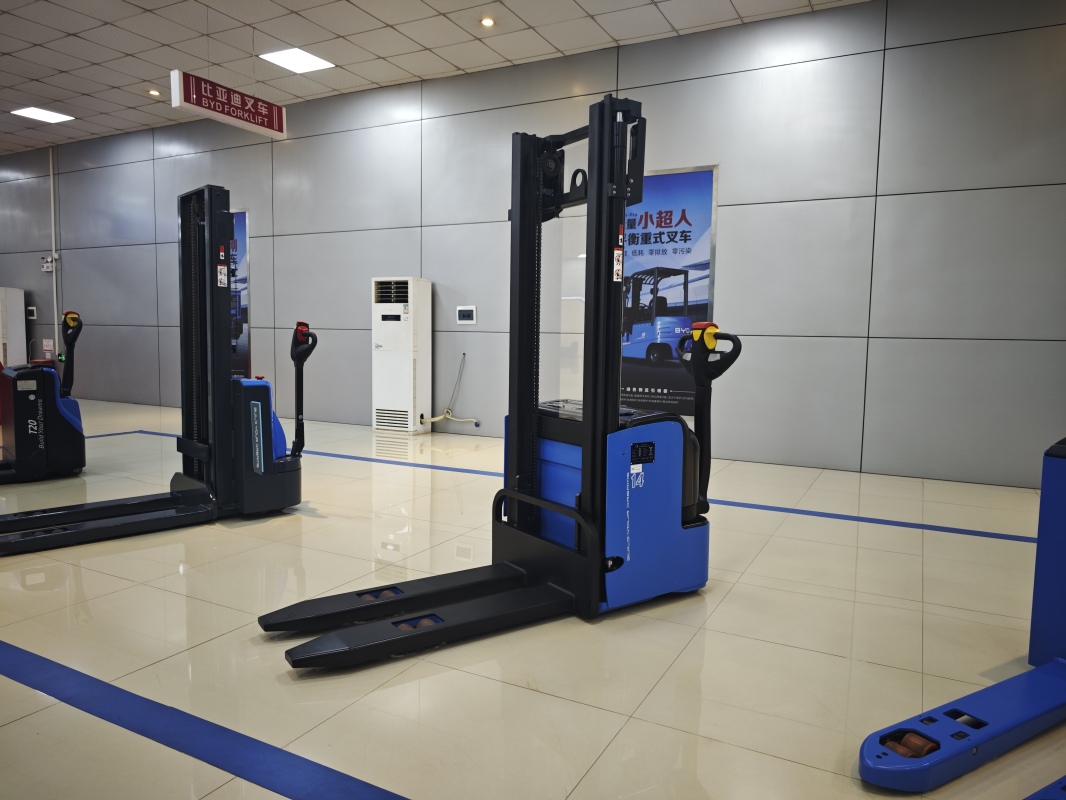
Electric forklifts have become a cornerstone of modern warehouse operations, with battery performance directly shaping operational efficiency and space utilization. A critical metric for evaluating forklift batteries is volumetric energy density, which refers to the amount of energy stored per unit volume. Lithium batteries used in forklifts exhibit significantly higher volumetric energy density compared to traditional lead acid batteries. This means that for the same physical size, a lithium forklift battery can store more energy, enabling longer operating hours between charges without requiring additional space in tight warehouse layouts. Lead acid batteries, while widely used historically, have lower volumetric energy density, leading to bulkier designs that occupy more space, which can restrict warehouse storage capacity. Companies like Jianshu New Energy focus on optimizing lithium battery solutions for material handling equipment, including forklifts, to leverage this advantage. BYD Forklift has also adopted high-performance lithium battery systems in many of its models, enhancing the efficiency and flexibility of their electric forklift lines. Warehouse operators considering battery upgrades or new equipment investments can benefit from understanding this key difference. For more information on lithium vs lead acid forklift battery solutions, contact 17399989919@163.com.


