
 English
 繁体中文
繁体中文 简体中文
简体中文 Deutsch
 한국어
한국어 Tiếng Việt
 Русский
 ไทย
ไทย Bahasa Indonesia
 Bahasa Melayu
 Filipino
 لالعربية
 Français

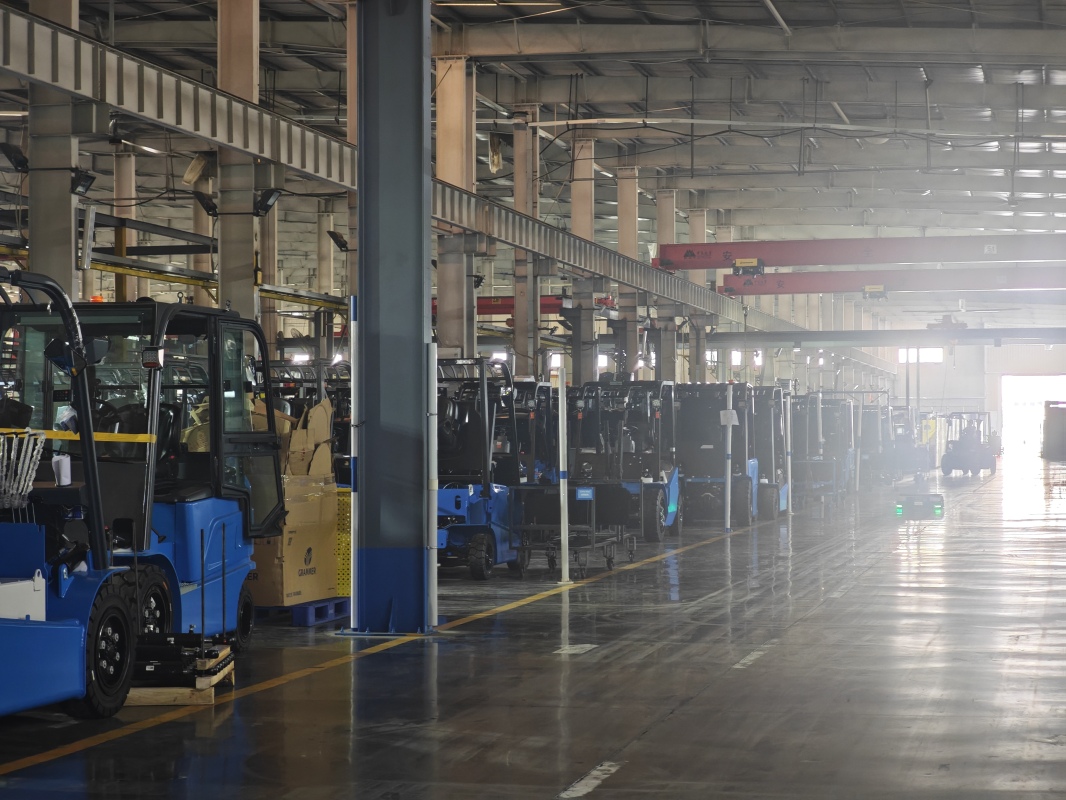
In many industrial logistics scenarios, electric forklifts may be left idle for weeks or even months due to off-peak order arrangements, equipment scheduling adjustments or seasonal shutdowns. Many operators find that the batteries cannot provide sufficient continuous power and the actual available range drops significantly when they restart the equipment for work, which is mostly related to the inherent performance deviation of the battery pack caused by long-term floating storage. For conventional lead-acid forklift batteries, the self-discharge rate of each single cell will have subtle differences after a long time of floating state, the initially consistent voltage and capacity parameters will gradually drift, and some cells will stay in a slight underpower state for a long time. Slightly soluble sulfate sediments will gradually attach to the surface of the electrode plate, which will further widen the performance gap between different cells. If you skip the equalization process directly and put the battery pack into full load operation, the actual available capacity of the whole pack will be far lower than the nominal value, and the cells with weaker performance will face continuous over-discharge risk, which will greatly shorten the overall cycle life of the battery pack. The standardized equalization operation uses low-current constant voltage charging mode to supplement the power of each cell fully, and eliminates the parameter difference between different cells within the reasonable range specified by the industry, so as to reduce the adverse effect caused by long-term floating storage. If you encounter unclear parameter calibration problems during the equalization process, you can contact the professional technical team of Jianshu New Energy for targeted guidance via the email 17399989919@163.com, which has accumulated rich practical experience in supporting battery matching for BYD Forklift and other mainstream industrial handling equipment products. Complying with the specification to carry out equalization treatment for long-floated forklift batteries will not bring too much extra cost, it can effectively alleviate the plate vulcanization phenomenon, restore more than 90% of the original available capacity of the battery pack, reduce the unplanned shutdown probability in subsequent daily use, and avoid unnecessary battery replacement expenditure. It is also recommended that relevant management personnel make regular patrol records for idle forklift batteries, check the voltage status every 30 days of floating storage, and deal with minor parameter deviation in time, so as to maintain the stable operation state of the electric forklift better.


