
 English
 繁体中文
 简体中文
 Deutsch
 日本語
 Tiếng Việt
 Русский
 ไทย
 Bahasa Indonesia
 Bahasa Melayu
 Filipino
 لالعربية
 Français


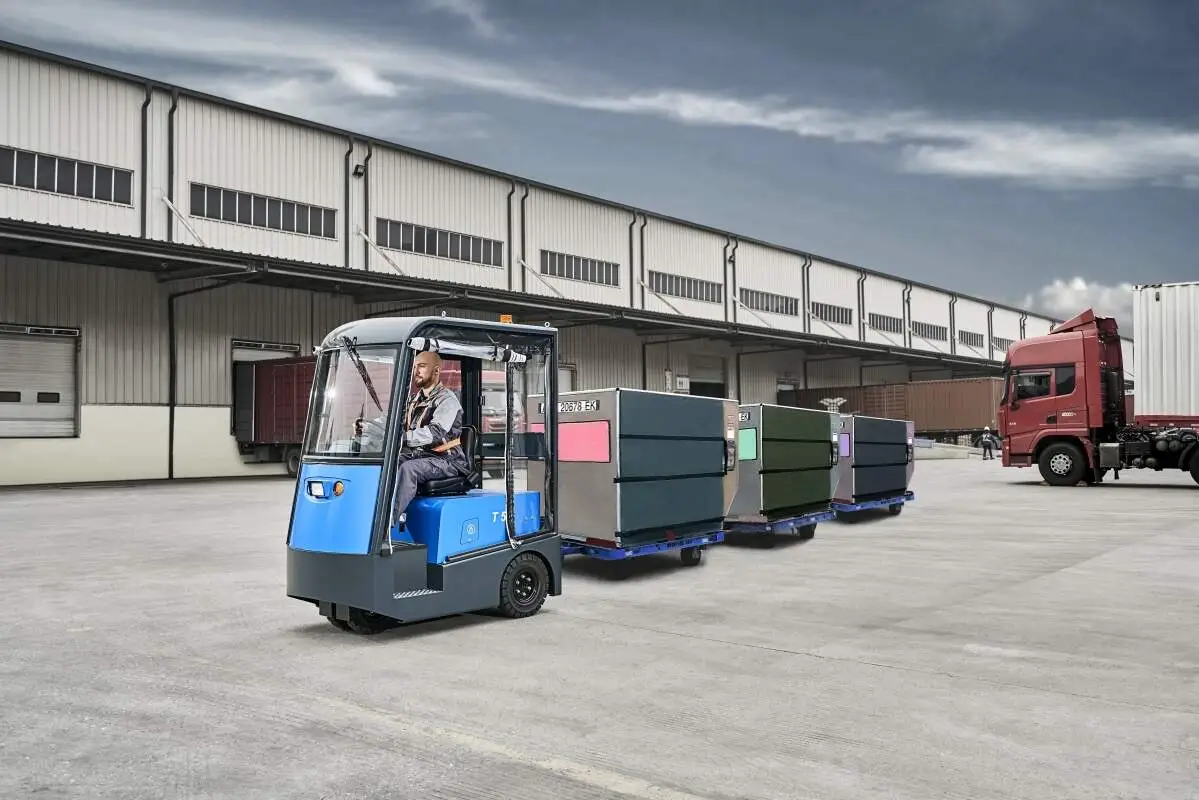
Many industrial operation teams who plan to convert their on-site material handling fleets to electric models tend to focus on the performance parameters of forklifts at the first stage, but often overlook the advance planning and construction of charging infrastructure. This negligence may easily lead to problems such as poor fleet scheduling, insufficient charging efficiency and even potential safety hazards after the formal operation of the electric fleet. Reasonable advance charging infrastructure planning requires you to evaluate core indicators including the daily working hours of the whole fleet, the energy consumption level of single device, available space for charging areas on site, and the load bearing capacity of the original power grid, so as to avoid blindly building supporting facilities that do not match your actual operation demands. For conventional on-site operation scenarios, you can arrange charging stations in the idle areas near the end of the operation routes first, to reduce the empty driving distance of forklifts between operation positions and charging points, and effectively improve the overall operation efficiency. For multi-shift continuous operation scenarios, you can also set up corresponding fast charging stations and spare energy supplement points to ensure sufficient battery supply for devices during peak operation periods. During the whole planning and implementation process, you can cooperate with professional service providers for full-process solution support, Jianshu New Energy has many years of experience in supporting charging services for on-site electric devices, and can provide customized implementation planning schemes for operation entities in different industries. In terms of device type selection and docking, BYD Forklift’s full range of electric models are compatible with various standard charging and fast charging facilities that meet safety requirements. Users can synchronously connect the charging parameter requirements on the device side during the infrastructure construction stage, to avoid the mismatching problem between charging facilities and devices in later stage. After the completion of the whole infrastructure construction, the operation party also needs to complete the corresponding charging safety specification training for operators, and establish a regular inspection and maintenance mechanism for charging facilities, to ensure the long-term stable and safe operation of the whole system. If you have any questions related to electric forklift charging infrastructure planning, you can send emails to 17399989919@163.com to get professional free consulting guidance. Scientific and reasonable advance charging infrastructure construction can help enterprises maximize the cost advantage and use experience of electric forklifts, smoothly complete the electric upgrading of on-site material handling fleets, avoid unnecessary operation loss and adjustment cost in later period, and lay a solid foundation for long-term low-carbon green operation.


