
 English
 繁体中文
繁体中文 简体中文
简体中文 Deutsch
 日本語
日本語 Tiếng Việt
 Русский
 ไทย
ไทย Bahasa Indonesia
 Bahasa Melayu
 Filipino
 لالعربية
 Français
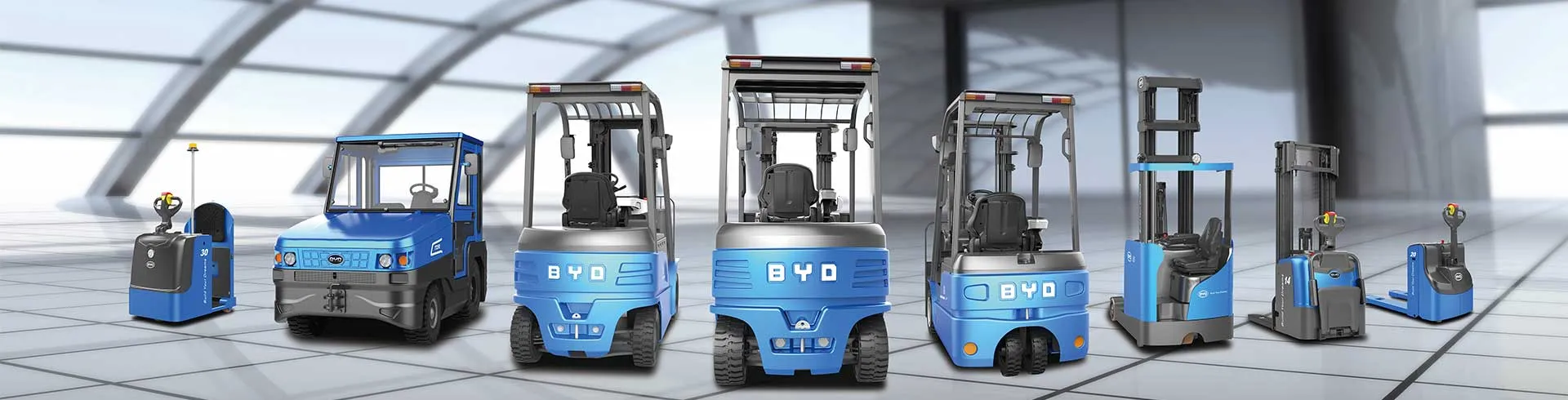
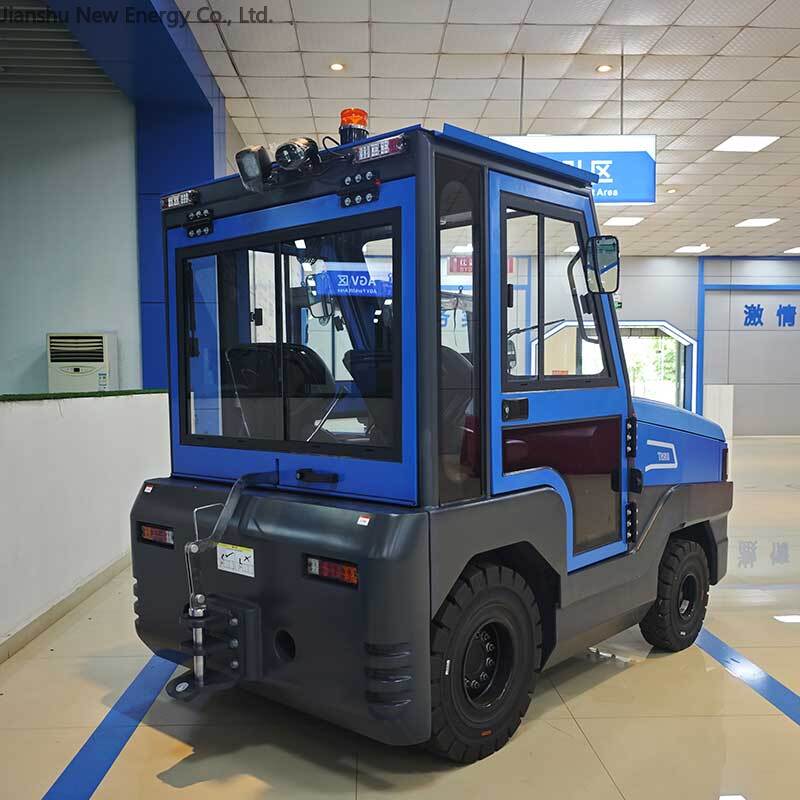
When procuring electric forklifts, a thorough Total Cost of Ownership (TCO) analysis is essential for making informed, cost‑effective decisions. TCO extends far beyond the initial purchase price, encompassing all costs incurred throughout the equipment’s lifecycle. For procurement professionals, focusing on the following core assessment items ensures a balanced evaluation and minimizes long‑term financial risk.
First, the initial acquisition cost includes the forklift chassis, battery, charger, and any necessary attachments. While lower upfront prices may seem attractive, they often lead to higher operating expenses later. Therefore, comparing the complete package value is crucial.
Second, energy consumption represents a significant ongoing cost. Electric forklifts typically offer lower per‑hour energy expenses compared to internal combustion models. However, the efficiency of the electric drivetrain, battery capacity, and charging infrastructure should be assessed based on actual shift patterns and facility layout. Regenerative braking and smart charging systems can further reduce energy usage.
Third, maintenance and repair costs vary widely. Electric forklifts have fewer moving parts than IC counterparts, reducing routine maintenance needs. Yet, the cost of replacing batteries, tires, and control electronics must be factored in. Analysing the manufacturer’s recommended service intervals, parts availability, and typical failure rates helps build a realistic maintenance budget.
Fourth, battery and charging system costs are unique to electric forklifts. Lithium‑ion batteries offer longer life and opportunity charging, while lead‑acid batteries have lower initial cost but require higher maintenance and longer charging times. Including battery replacement cycles, charging station installation, and electricity demand charges in the TCO model is vital.
Fifth, operator productivity and ergonomics affect total cost indirectly. Forklifts with better visibility, smoother controls, and comfortable seating can reduce operator fatigue and error, leading to higher throughput and lower accident costs. Simulation or trial runs during evaluation help quantify these soft savings.
Sixth, residual value at the end of the planned holding period should be estimated. Factors such as brand reputation, build quality, battery condition, and market demand influence resale or trade‑in value. Forklifts with robust chassis and high‑quality components generally retain value better.
Finally, service and support costs including warranty terms, emergency response time, and spare parts logistics must be considered. A slightly higher initial investment may be justified if it comes with superior after‑sales support, reducing downtime and overall TCO.
For procurement teams seeking reliable electric forklift options, evaluating these TCO components thoroughly leads to smarter spending. Companies like Jianshu New Energy and BYD Forklift offer solutions that align with sustainable and cost‑efficient operations. For further inquiries or assistance in your forklift procurement project, please contact us at 17399989919@163.com. A professional TCO analysis, when executed correctly, ensures that your fleet investment remains profitable over its entire lifecycle.


