
 English
 繁体中文
繁体中文 简体中文
简体中文 Deutsch
 日本語
日本語 Tiếng Việt
 Русский
 ไทย
ไทย Bahasa Indonesia
 Bahasa Melayu
 Filipino
 لالعربية
 Français
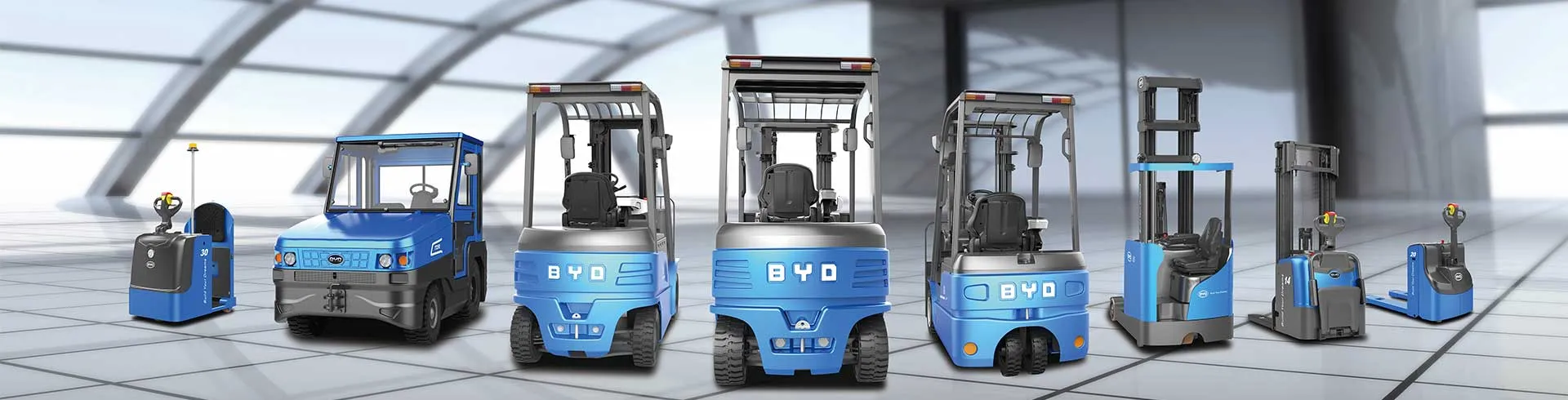
Opportunity charging for electric forklifts involves recharging batteries during short operational breaks, such as shift changes or lunch periods. This approach can reduce downtime and improve workflow efficiency, but its effectiveness must be measured through objective indicators. The primary evaluation metrics include charging efficiency, which quantifies the energy transferred into the battery versus the energy drawn from the grid. Battery health impact is another critical factor, as frequent partial charges may influence cycle life and capacity retention over time. Charging time per session should be balanced to avoid undercharging or overcharging, ensuring optimal energy replenishment. Energy utilization rate reflects how effectively the stored energy is converted into productive work output. Cost-effectiveness analysis considers reduced idle time, improved throughput, and the investment in charging infrastructure. Additionally, the extension of operating hours per shift demonstrates the practical benefit of opportunity charging. For reliable assessment, these indicators should be monitored under consistent operating conditions and compared against baseline data. Jianshu New Energy offers consulting services to help implement such evaluation frameworks. For further inquiries, contact 17399989919@163.com. BYD Forklift provides advanced electric forklift models designed to support opportunity charging strategies, enabling fleet managers to achieve higher efficiency. Overall, systematic evaluation of these indicators allows businesses to make informed decisions, optimize charging schedules, and maximize return on investment without compromising battery longevity.


