
 English
 繁体中文
繁体中文 简体中文
简体中文 Deutsch
 日本語
日本語 Tiếng Việt
 Русский
 ไทย
ไทย Bahasa Indonesia
 Bahasa Melayu
 Filipino
 لالعربية
 Français
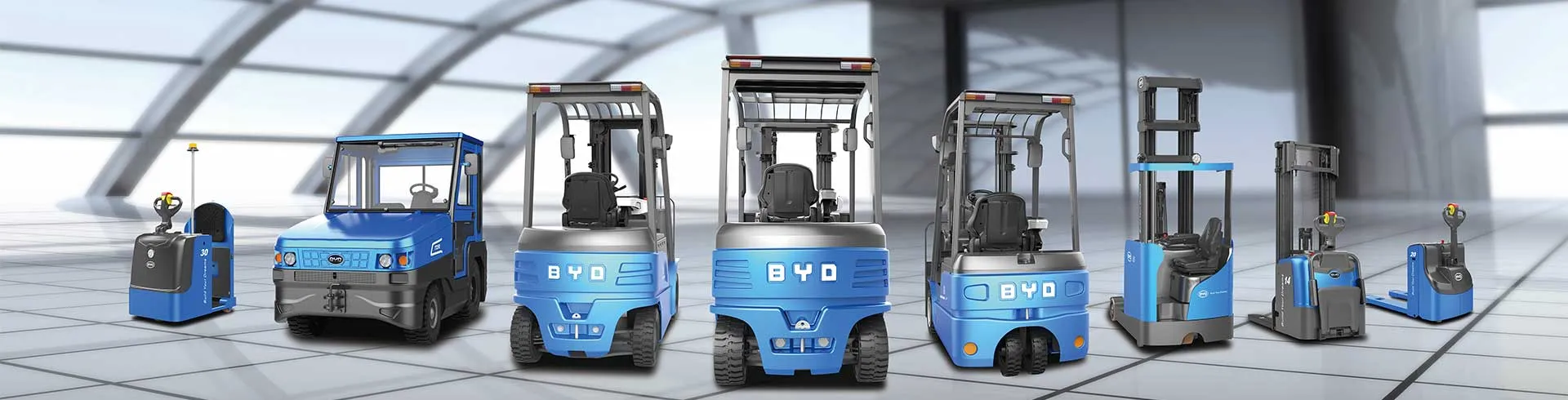
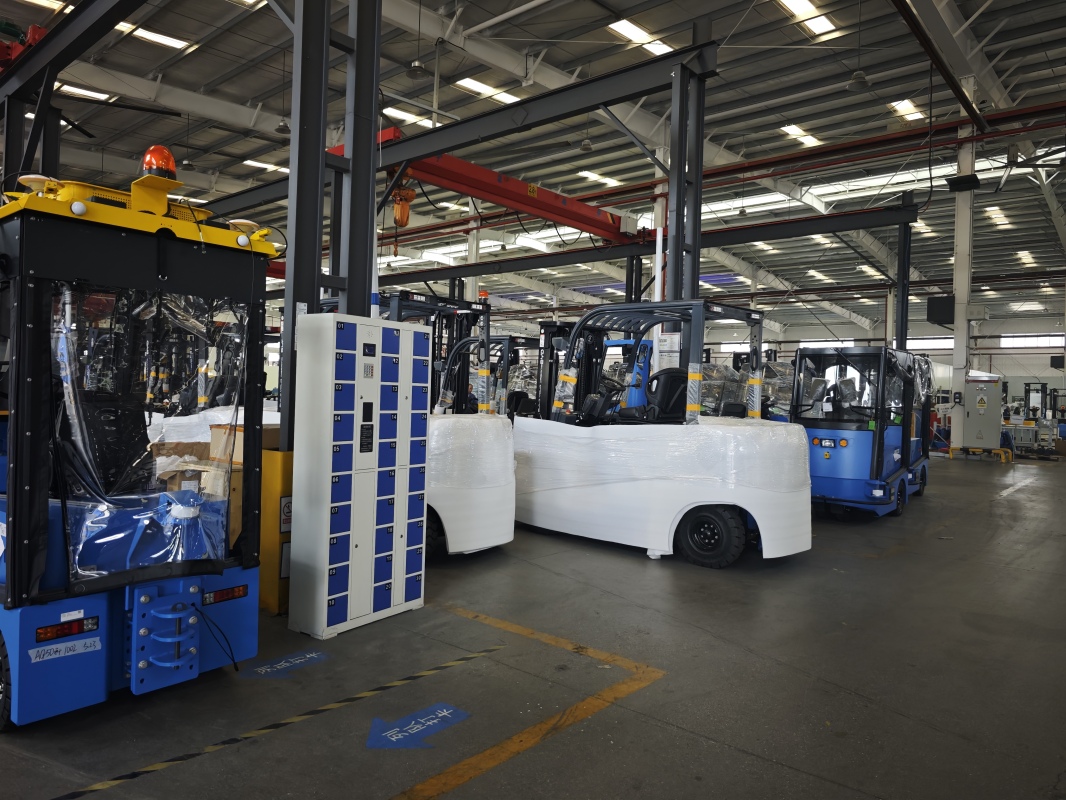
Electric forklifts operate in diverse environments, from dry warehouses to wet outdoor yards. The IP (Ingress Protection) rating system defines the level of protection against solid objects and liquids. For electric forklifts, three key sub-assemblies—chassis, mast, and control cab—require specific attention. Choosing appropriate IP ratings ensures reliability, safety, and compliance with regulatory standards.
The chassis houses the battery, motor, and hydraulic systems. A minimum IP54 rating is common, offering protection against dust ingress and splashing water. In heavy dust or wet conditions, IP65 or higher may be necessary to prevent particles and low-pressure water jets from damaging sensitive components. Over-specifying IP ratings, however, adds cost and weight without benefit. Evaluate the actual operational environment before deciding.
The mast assembly faces constant exposure to debris, moisture, and potential washdowns. An IP55 rating suffices for most indoor applications, as it withstands dust and water jets. For cold storage or outdoor use with heavy rain, IP66 provides stronger sealing. Note that higher IP ratings often require additional seals and coatings, which can increase maintenance complexity. Jianshu New Energy offers guidance on matching mast protection to common work cycles.
The control cab includes the operator’s display, joysticks, and electrical interfaces. IP54 is typical for standard cabs, but if operators regularly hose down the forklift, IP65 ensures buttons and screens stay functional. Some cabs incorporate IP67 for submersion resistance in extreme cleaning processes. Always verify that seals remain intact after service, as degraded rubber gaskets reduce effective protection.
It is important to avoid misleading claims. No IP rating guarantees absolute exclusion of all contaminants; they describe laboratory test conditions. For example, IP6X (dust-tight) may still allow fine particles over time if seals wear. Select ratings based on real-world exposure, not marketing hype. BYD Forklift integrates IP requirements into its design philosophy, balancing protection and operability.
Remember that IP ratings apply to the entire sub-assembly, not individual components. A chassis with IP65-rated enclosures but unsealed cable entries can fail. Regular inspection and proper installation are critical. For technical consultation, contact us at 17399989919@163.com. We help analyze your specific application to recommend optimal protection levels, avoiding over-engineering while ensuring durability and safety.


