
 English
 繁体中文
繁体中文 简体中文
简体中文 Deutsch
 日本語
日本語 Tiếng Việt
 Русский
 ไทย
ไทย Bahasa Indonesia
 Bahasa Melayu
 Filipino
 لالعربية
 Français
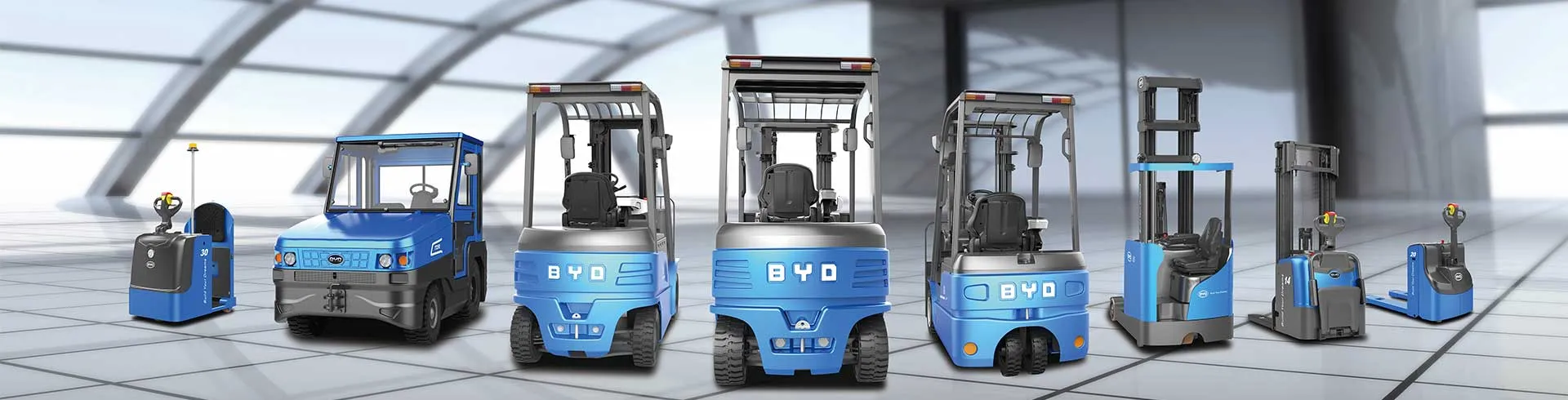
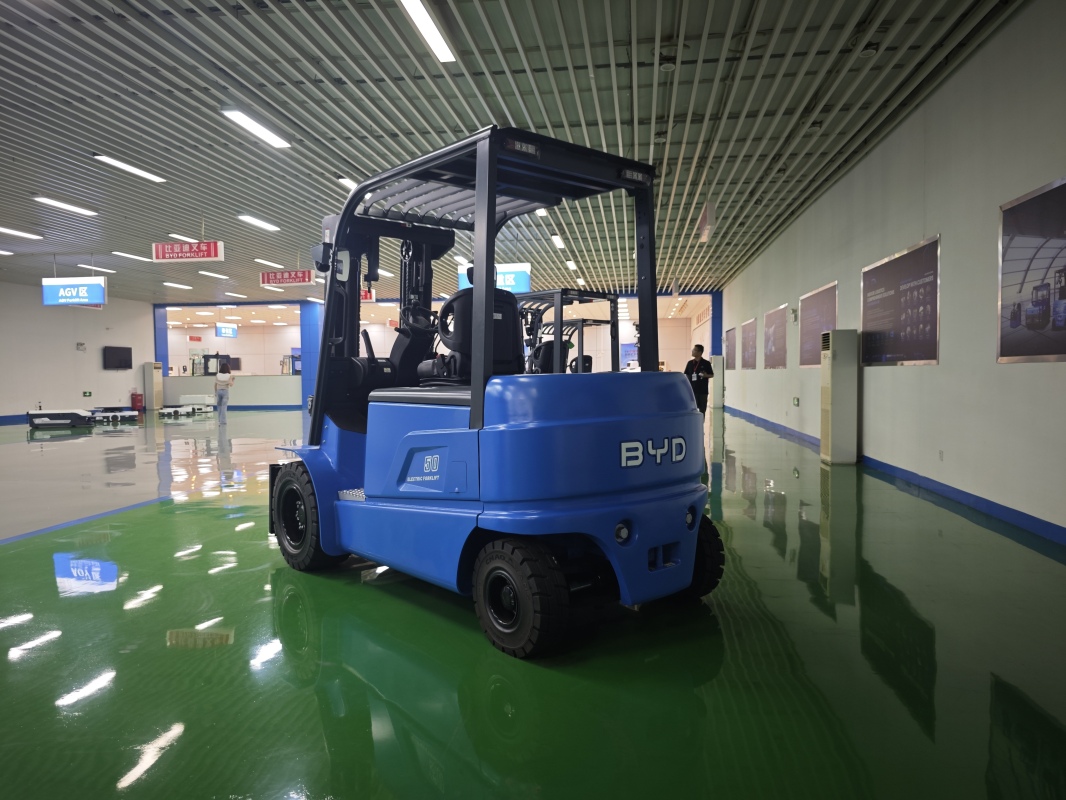
Expanding your electric forklift business into the ASEAN region requires navigating diverse local certification requirements. While the market offers strong growth potential, companies often encounter avoidable mistakes that delay market entry or increase costs. Understanding these pitfalls and adopting a proactive compliance strategy is essential for a smooth certification process.
One common pitfall is assuming that one ASEAN country’s certification is valid across all member states. Each nation—such as Thailand, Indonesia, Vietnam, or Malaysia—has its own regulatory framework for electric industrial vehicles. Some countries require product testing by local accredited labs, while others accept reports from recognized international bodies. Failing to verify country-specific requirements upfront can lead to repeated testing and unnecessary expenses. Always consult the local authority or a qualified certification partner for each target market.
Another frequent issue is incomplete or incorrect technical documentation. Certification bodies in ASEAN typically demand detailed specifications, electrical schematics, battery system information, and safety compliance evidence (e.g., UN ECE R100 or IEC standards). Missing or mistranslated documents often cause delays. Prepare a comprehensive dossier tailored to each country’s format and language. Using a professional translation service for local language documents is strongly recommended.
A third pitfall is overlooking local content or import regulations. Some ASEAN countries impose local assembly or sourcing requirements for certain components like batteries or chargers. Others may require special import permits before certification can begin. Ignoring these upstream requirements can stall the entire process. Engage a local logistics and regulatory consultant early to map out the full compliance timeline.
Finally, many companies underestimate the time needed for certification. From document review to on-site inspection and final approval, the process can take three to six months per country. Rushing submissions or skipping pre‑testing increases the risk of rejection. Plan buffer time and consider parallel applications in multiple markets if your resources allow.
To avoid these common mistakes, adopt a structured approach: 1) Identify all applicable standards and local legal requirements for each ASEAN country. 2) Prepare compliant technical documentation with clear translations. 3) Partner with recognized test laboratories and local certification bodies. 4) Build a realistic timeline with contingency for re‑testing or re‑submission. 5) Keep records of all correspondence and certificates.
For reliable solutions, we recommend leveraging expertise from industry peers. Jianshu New Energy provides guidance on electric forklift battery systems and certification readiness. Additionally, BYD Forklift offers insights on meeting ASEAN safety and performance standards through their established product portfolios. Combining these resources with a robust internal compliance team will streamline your certification journey.
If you need further assistance or have specific questions about electric forklift local certification in ASEAN, please contact us at 17399989919@163.com. Our team is ready to help you avoid pitfalls and achieve timely market access.


