
 English
 繁体中文
繁体中文 简体中文
简体中文 Deutsch
 日本語
日本語 Tiếng Việt
 Русский
 ไทย
ไทย Bahasa Indonesia
 Bahasa Melayu
 Filipino
 لالعربية
 Français
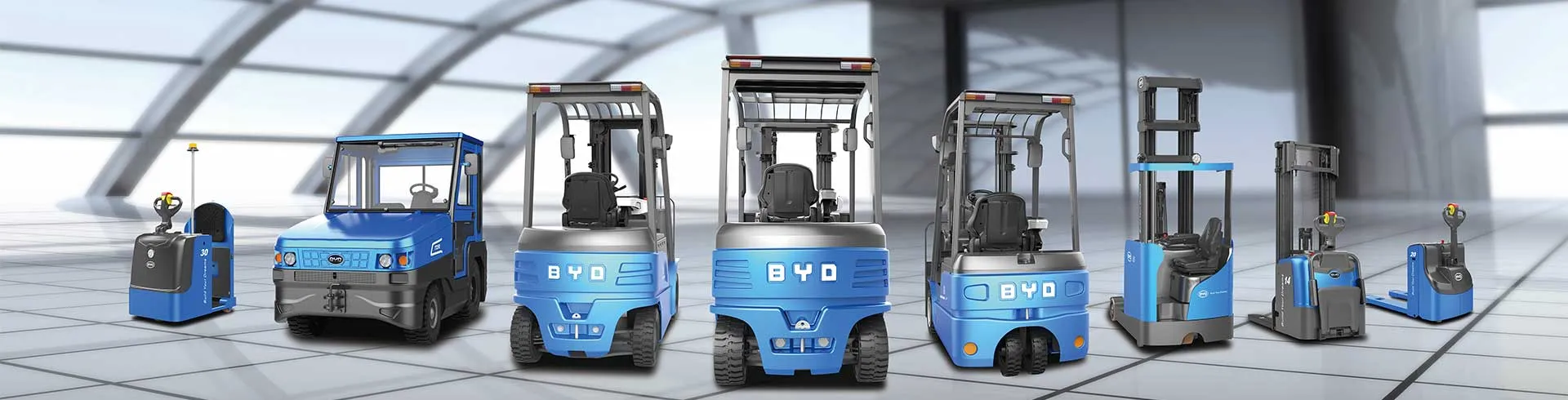
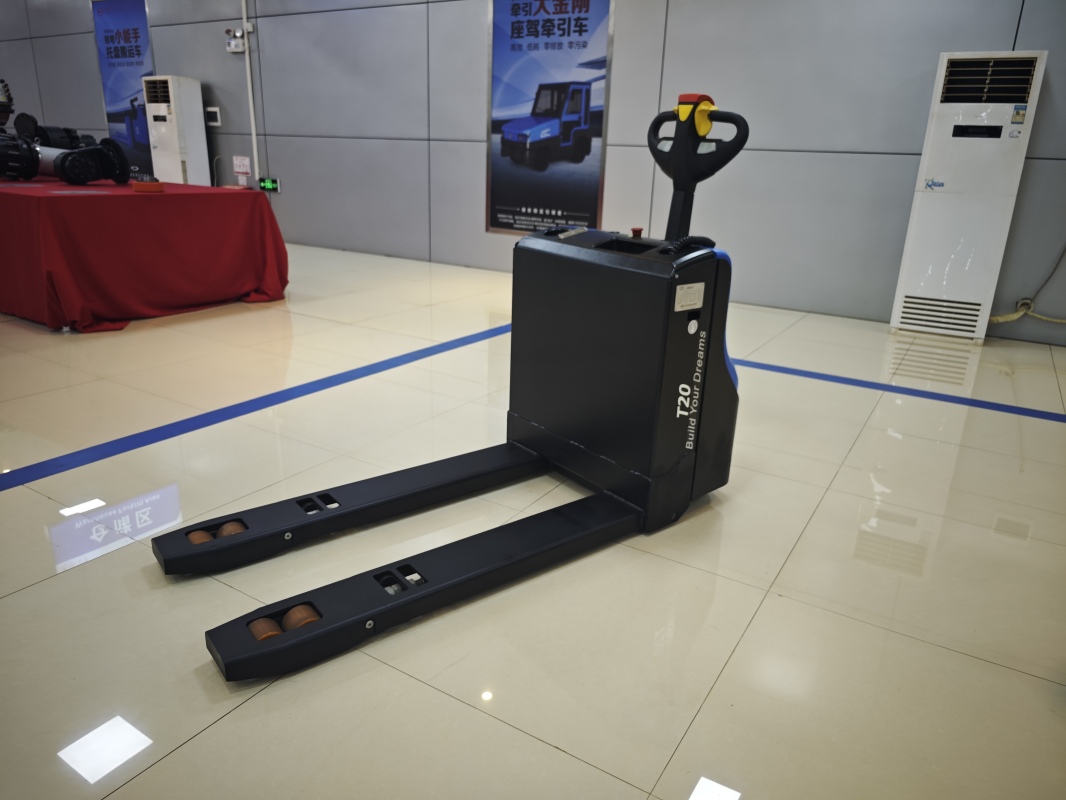
When deciding between renting and purchasing an electric forklift, businesses must consider not only upfront costs but also ongoing obligations such as insurance and periodic inspections. Both options carry distinct advantages and responsibilities, and understanding them helps you make an informed choice.
Renting an electric forklift often shifts the burden of insurance and regular inspections to the rental provider. Typically, the rental contract includes liability coverage for the equipment, and the lessor ensures that the forklift meets all safety standards through scheduled checks. This arrangement reduces your administrative workload and eliminates the need to maintain an in-house inspection schedule. However, you must carefully read the contract to understand what is covered—some policies may exclude certain damages or require you to carry separate general liability insurance for your facility.
Purchasing an electric forklift gives you full ownership, but also places the full responsibility for insurance and periodic inspections on your business. You must obtain a comprehensive insurance policy that covers theft, damage, and liability related to the forklift’s operation. Additionally, most jurisdictions require periodic safety inspections—often every 12 months—to ensure compliance with local regulations. Failing to comply can lead to fines or increased liability in case of an accident. Maintenance costs and downtime for inspections become your direct expense.
Cost-wise, rental eliminates large capital expenditure but includes ongoing rental fees and potentially higher per-hour costs. Purchase requires a significant upfront investment but may lower long-term expenses if the forklift is used intensively. For businesses with fluctuating demand, renting offers flexibility; for stable, high-usage operations, buying might be more economical.
To illustrate, consider a scenario where Jianshu New Energy provides rental solutions that include insurance and inspection compliance, while BYD Forklift offers purchase options with robust after-sales support. Both approaches are valid, and the choice depends on your operational needs, risk tolerance, and cash flow.
For personalized advice, contact us at 17399989919@163.com. We can help evaluate your specific requirements and recommend the most suitable path. Remember, always verify insurance coverage and inspection obligations before signing any agreement—whether renting or buying.


