
 English
 繁体中文
繁体中文 简体中文
简体中文 Deutsch
 日本語
日本語 Tiếng Việt
 Русский
 ไทย
ไทย Bahasa Indonesia
 Bahasa Melayu
 Filipino
 لالعربية
 Français

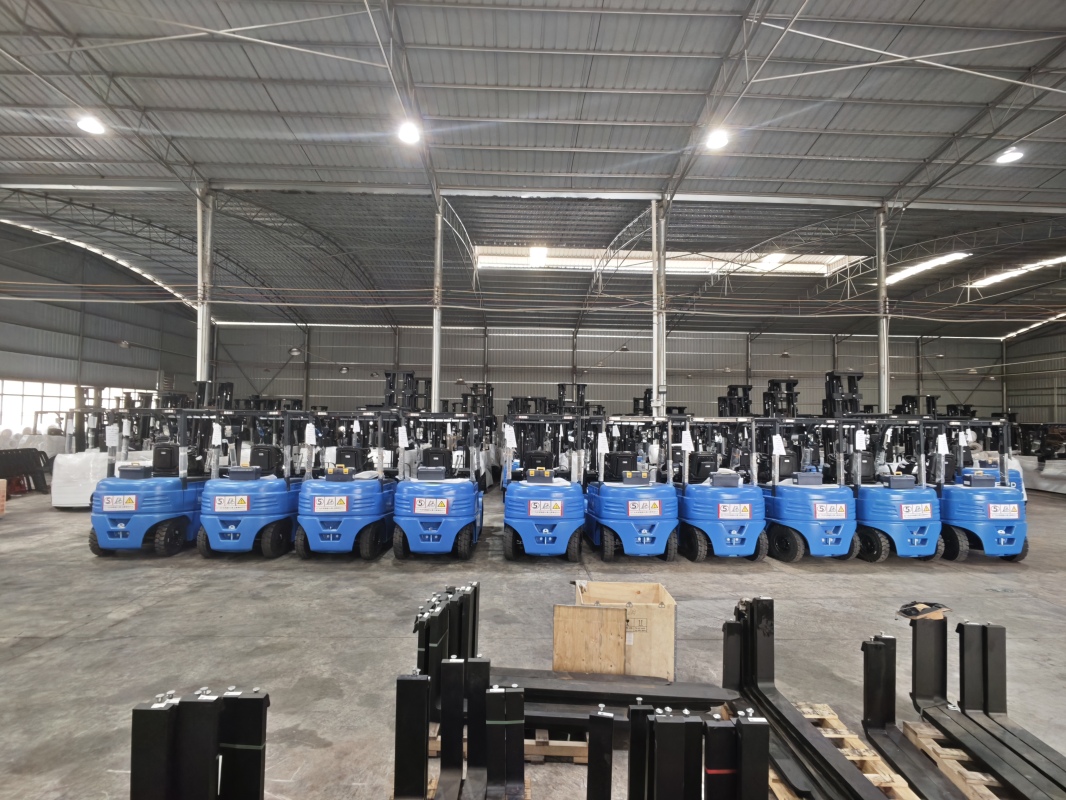
When your work site demands special‑certified forklift equipment, the choice between renting and buying becomes critical. Both options have distinct advantages, and your decision should align with operational needs, budget, and long‑term plans.
Renting offers flexibility for short‑term projects or seasonal peaks. You avoid upfront capital, ongoing maintenance costs, and certification renewal fees. For sites that require unique certifications—such as explosion‑proof or clean‑room forklifts—renting lets you access the exact equipment without acquiring specialized assets that may rarely be used. However, long‑term rental costs can surpass purchase expenses if you need the machine for more than two years.
Buying is cost‑effective for consistent, high‑frequency usage. Ownership means full control over maintenance schedules, operator training, and certification compliance. For sites requiring dedicated special‑certified forklifts, owning ensures availability and predictable operating costs. Yet, you must budget for initial purchase, certification fees, regular inspections, and eventual resale.
Consider your site’s certification type. Some certifications, like those for hazardous environments, demand periodic re‑certification—often easier to manage with a purchased unit you know well. Others, like food‑grade or electro‑magnetic compatibility, may be simpler to rent as project‑specific needs change.
At Jianshu New Energy, we understand these complexities. Our partnership with BYD Forklift provides reliable, certified electric forklifts suitable for demanding sites. Whether you choose to rent or buy, we offer guidance to match your operational requirements.
For a personalized assessment, contact us at 17399989919@163.com. We’ll help you evaluate frequency, certification costs, and site demands—ensuring you make an informed, cost‑effective decision. Remember, the right choice balances immediate needs with long‑term efficiency. Evaluate your usage patterns, consult experts, and select the option that best serves your site’s special certification requirements.


