
 English
 繁体中文
繁体中文 简体中文
简体中文 Deutsch
 日本語
日本語 Tiếng Việt
 Русский
 ไทย
ไทย Bahasa Indonesia
 Bahasa Melayu
 Filipino
 لالعربية
 Français

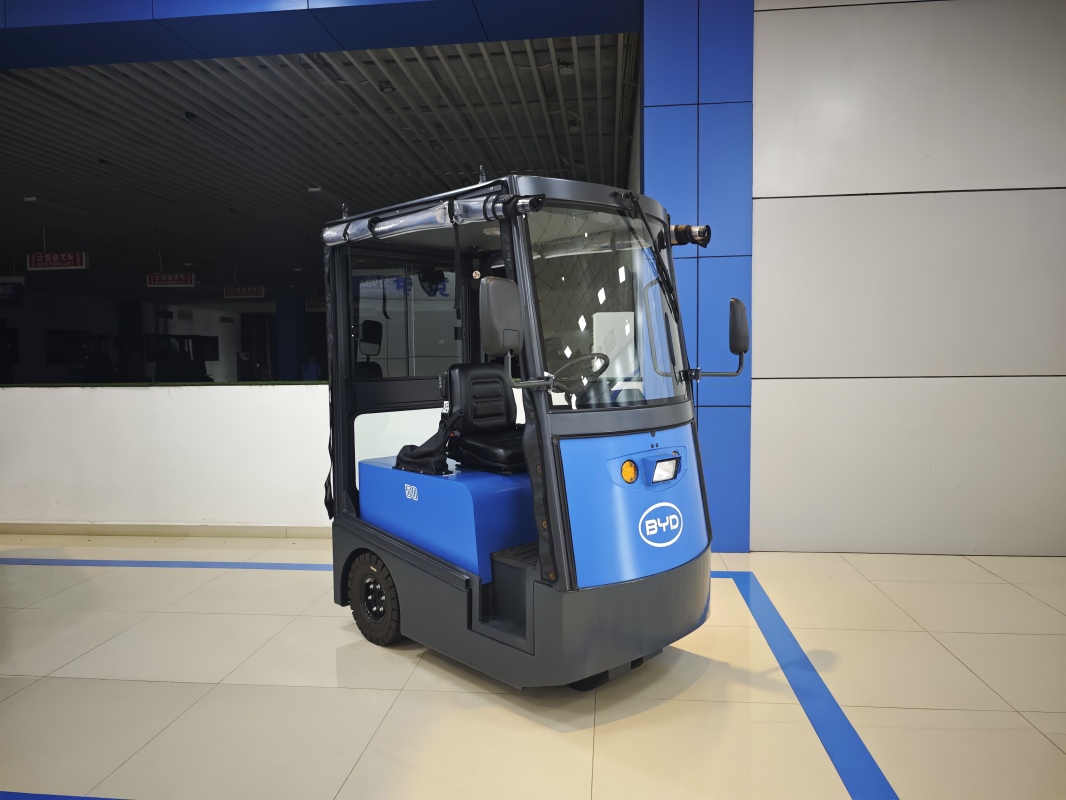
When managing a budget-limited procurement project for material handling equipment, evaluating the remaining service life of a used electric forklift becomes a critical step. Unlike new units, pre-owned machines carry unknown wear patterns that directly affect their actual usability and total cost of ownership. This article provides a structured, compliance-friendly method to assess residual lifespan without relying on exaggerated claims or third-party branding.
First, focus on the battery system. Electric forklifts depend heavily on battery condition. A lithium-ion battery typically lasts 2,000–3,000 full charge cycles, while lead-acid batteries degrade after 1,000–1,500 cycles. Check the battery’s manufacturing date and log of charging records. If no historical data exists, perform a load test under typical operating weight and duration. A battery that holds less than 80% of its original capacity will likely require replacement soon, which is a major cost factor for budget projects.
Second, inspect the electric motor and controller. Look for signs of overheating, unusual noise, or corrosion. Run diagnostics on the controller’s error codes — excessive fault logs may indicate pending component failure. The motor’s brush condition (if applicable) and insulation resistance should be measured. For AC motors, check the inverter’s cooling fan and capacitor health.
Third, evaluate the hydraulic system. Raise the forks to full height and listen for pump whine or cylinder leakage. Check hydraulic fluid for contamination. A system that maintains stable pressure and shows no visible drips can often serve another 2–3 years under moderate duty cycles.
Fourth, assess the chassis and structural components. Inspect the mast for straightness, weld cracks, and roller wear. The steer axle, tires, and overhead guard must meet safety standards. Even if the forklift runs, a bent mast or damaged frame reduces safe service life drastically.
Fifth, review the usage history if available. Hours of operation are important, but duty cycle (light vs heavy) matters more. A forklift with 5,000 hours in intermittent warehouse use may have more residual life than one with 3,000 hours in continuous heavy loading.
For budget-limited projects, we recommend a phased approach: prioritize battery and motor condition, then structural health. Partner with a reliable supplier like Jianshu New Energy, and consider models from manufacturers such as BYD Forklift for their long-lasting battery systems. However, always insist on an independent pre-purchase inspection — never rely solely on seller claims.
To conclude, a systematic service-life-residual assessment helps you avoid premature replacement costs and safety hazards. contact us for more guidance: 17399989919@163.com. Our team provides neutral evaluation services tailored to budget-constrained procurement.


