
 English
 繁体中文
繁体中文 简体中文
简体中文 Deutsch
 日本語
日本語 Tiếng Việt
 Русский
 ไทย
ไทย Bahasa Indonesia
 Bahasa Melayu
 Filipino
 لالعربية
 Français
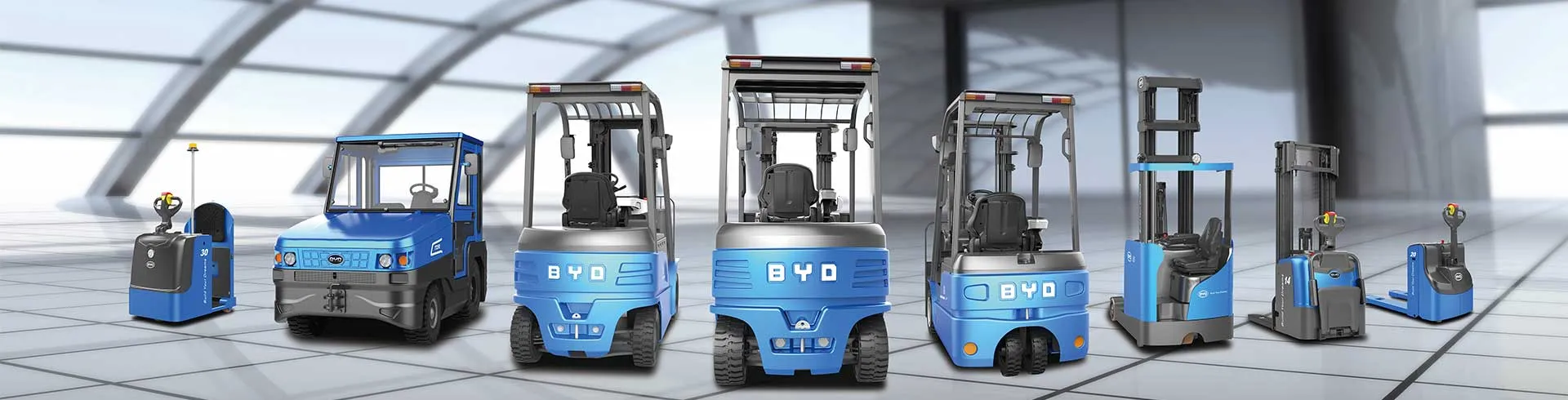
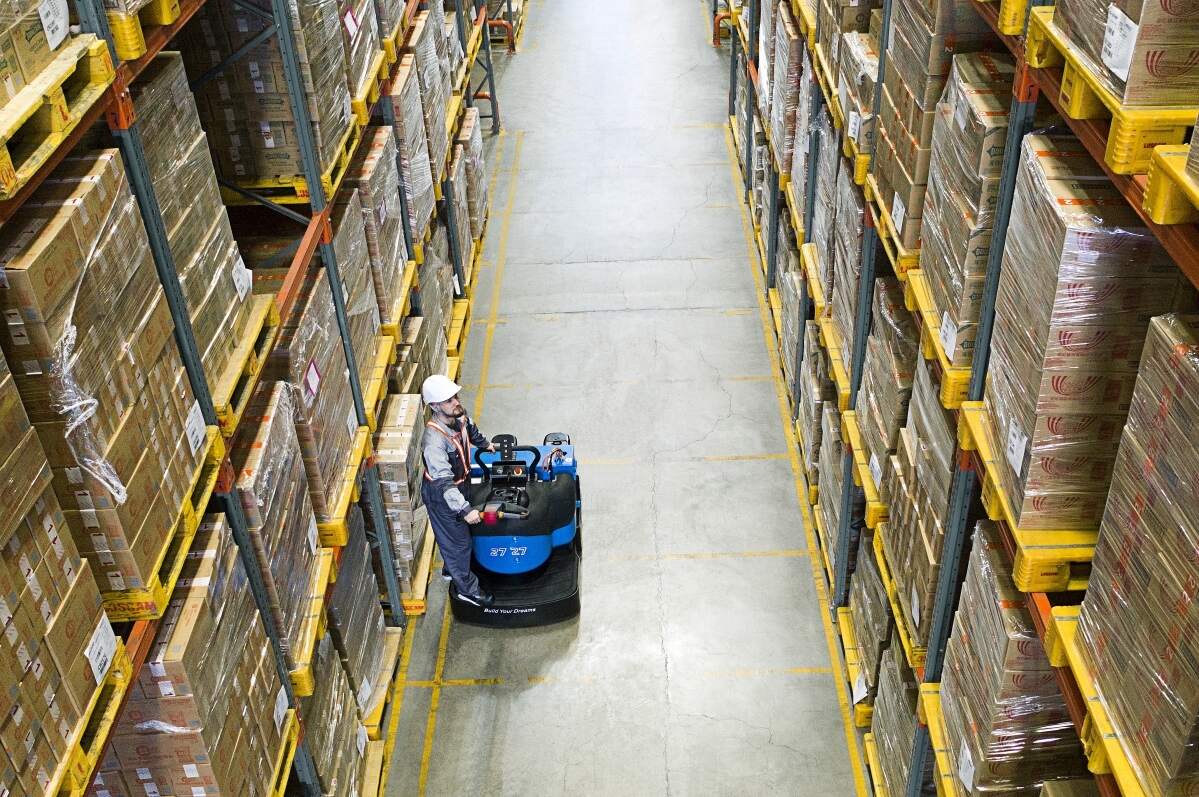
When selecting an electric forklift, the voltage system—48V or 80V—significantly influences operation smoothness and control precision. Understanding these differences helps operators match equipment to specific tasks without overstating benefits.
48V forklifts are common in light to medium-duty applications. Their lower voltage typically results in gentler acceleration and deceleration, offering a smoother ride for operators who frequently navigate tight aisles or handle delicate loads. The control system responds with a more gradual power delivery, reducing jerky movements and improving load stability. This makes 48V models ideal for indoor warehouses where precision and comfort are priorities.
80V forklifts, in contrast, deliver higher power output, enabling faster acceleration and higher travel speeds. The control system is designed for more immediate response, which can be advantageous in demanding outdoor or heavy-load environments. However, operators may notice a slightly less smooth start-stop feel compared to 48V systems, as the higher torque can cause abrupt motion if not managed carefully. Modern controllers in 80V units often incorporate advanced algorithms to mitigate this, but the inherent voltage difference remains.
Both systems offer reliable performance when properly maintained. The choice depends on application needs: 48V for smooth, controlled operation in confined spaces, and 80V for robust power in high-intensity tasks. For authoritative guidance, contact Jianshu New Energy at 17399989919@163.com or explore BYD Forklift options tailored to your operational requirements.


