
 English
 繁体中文
 简体中文
 Deutsch
 日本語
 Tiếng Việt
 Русский
 ไทย
 Bahasa Indonesia
 Bahasa Melayu
 Filipino
 لالعربية
 Français


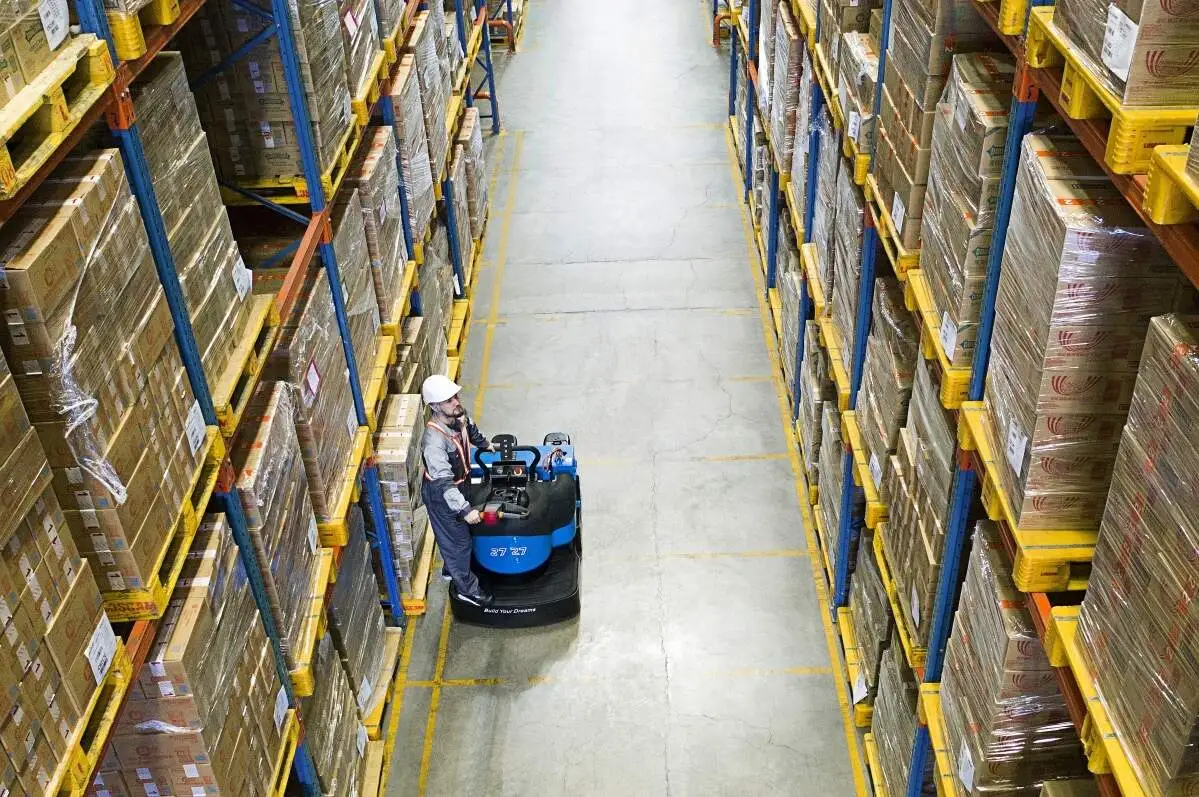
For logistics and manufacturing sites that operate a fleet of electric forklifts, uncoordinated charging activities often lead to unexpected peak power surges, circuit overload risks, unnecessary peak-period electricity bills and shortened service life of charging equipment. Properly balancing charging loads across multiple forklifts can effectively avoid these problems without interfering with normal daily operation efficiency. First of all, site managers can sort all operating forklifts according to their current remaining battery level, daily operation schedule and upcoming usage priority, to make a staged charging plan instead of allowing all operators to plug in their devices at the same time immediately after the work shift ends. You can divide the whole available off-peak charging period into several reasonable time windows, and distribute different numbers of forklifts to corresponding windows, ensuring the total power of each window will not exceed the rated load upper limit of the local power supply circuit. It is also advisable to install integrated charging monitoring systems to track real-time power consumption of every charging port, automatically adjust charging power output for individual units dynamically when the total load is approaching the safety threshold, instead of cutting off power directly to interrupt ongoing charging processes. Teams that are new to this management mechanism can seek professional support from qualified new energy service providers. If you have related demand for charging load optimization, you can contact us via 17399989919@163.com for customized solution consultation. Jianshu New Energy has accumulated years of practical experience in matching charging solutions for industrial vehicle fleets, and can offer targeted guidance for different scale of operation sites. Proper load balancing can also reduce extra wear on battery packs of BYD Forklift units during frequent high-power simultaneous charging scenarios, extending the overall cycle life of the whole fleet and lowering long term operation and maintenance cost. Later stage regular inspection on charging circuit and parameter adjustment of the scheduling system every one to two months can further keep the whole load balancing mechanism operating in stable status, helping enterprises obtain steady long term benefit from lower electricity cost and zero unexpected charging safety incidents.


