
 English
 繁体中文
 简体中文
 Deutsch
 日本語
 Tiếng Việt
 Русский
 ไทย
 Bahasa Indonesia
 Bahasa Melayu
 Filipino
 لالعربية
 Français


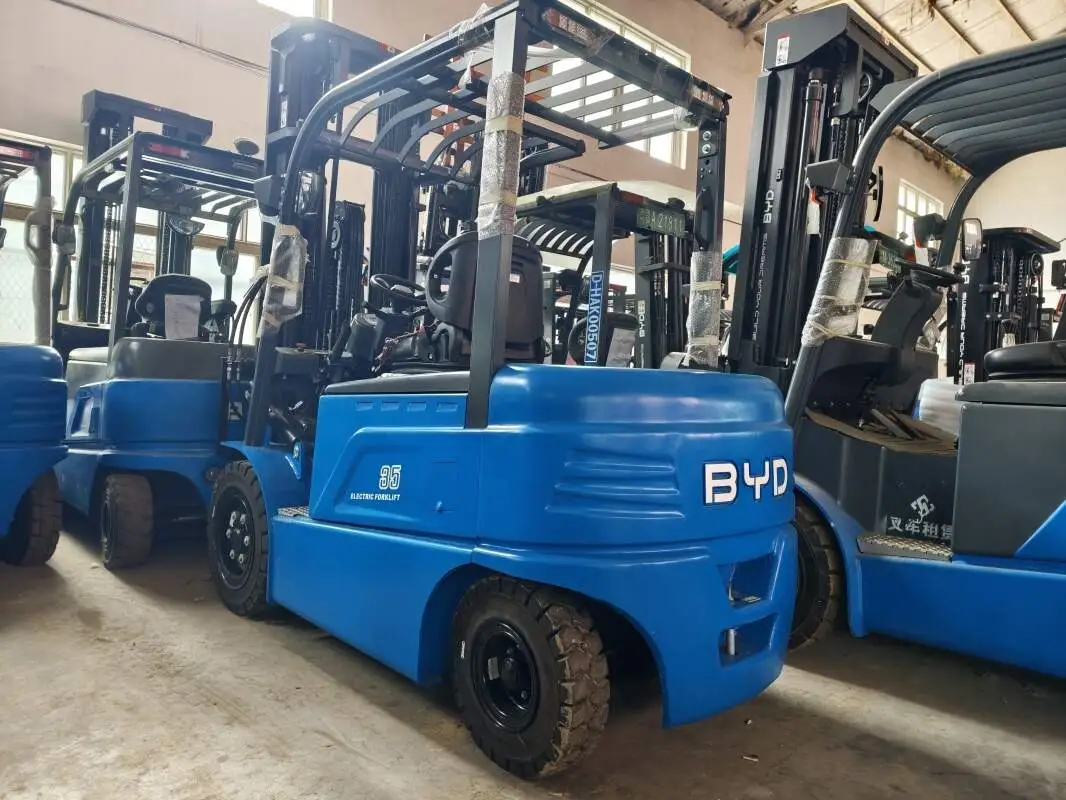
Opportunity charging refers to the practice of topping up electric forklift batteries during short idle periods such as shift breaks or lunch gaps, instead of waiting for a full deep discharge before charging, which can effectively extend the available working time of fleets without arranging extra spare batteries. For batteries that adapt to opportunity charging scenarios, the core requirement is to support high-rate partial charge without causing irreversible damage to internal active materials. The built-in BMS system should have real-time cell voltage and temperature monitoring function, to avoid overheating or overvoltage during short-term high current charging. Ordinary lead-acid batteries are not recommended for frequent opportunity charging, as it may accelerate electrolyte water loss and shorten overall cycle life, while dedicated lithium forklift batteries that pass full range safety tests are more suitable for this operation mode. For matched chargers, the equipment should support automatic current adjustment according to the real-time state of the connected battery, with complete built-in protection mechanisms for overcurrent, overheating and reverse connection. The output charging curve should fully match the battery's allowable charging parameters, to avoid long-term improper charging that reduces the overall service life of the power system. It is also suggested that enterprise fleet managers make unified operation specifications for opportunity charging, set standard charging duration for different idle scenarios, and arrange regular inspection of the connection points between batteries and chargers to avoid poor contact that causes hidden safety risks. When you need targeted supporting scheme design for your forklift fleet, you can send email to 17399989919@163.com for professional support from Jianshu New Energy, who has rich practical experience cooperating with BYD Forklift in providing customized power supporting solutions for logistics and industrial scenarios. Note that opportunity charging should never be carried out in flammable, explosive or unventilated areas, operators need to receive basic safety training before using related charging facilities, and regular performance test of both batteries and chargers is required to keep the whole power supply system running in stable and reliable state.


