
 English
 繁体中文
繁体中文 简体中文
简体中文 Deutsch
 日本語
日本語 Tiếng Việt
 Русский
 ไทย
ไทย Bahasa Indonesia
 Bahasa Melayu
 Filipino
 لالعربية
 Français
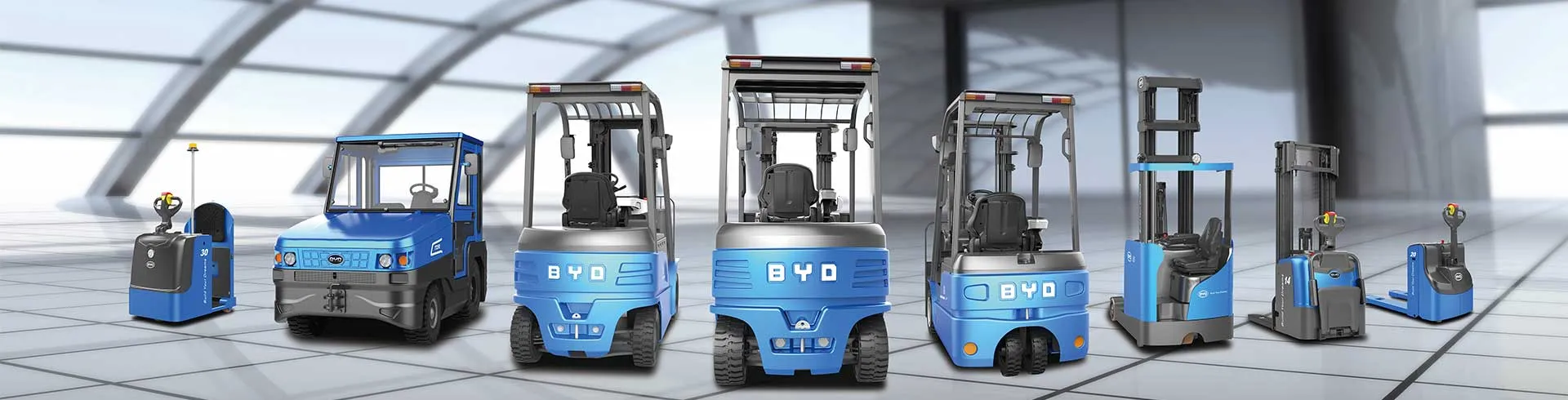
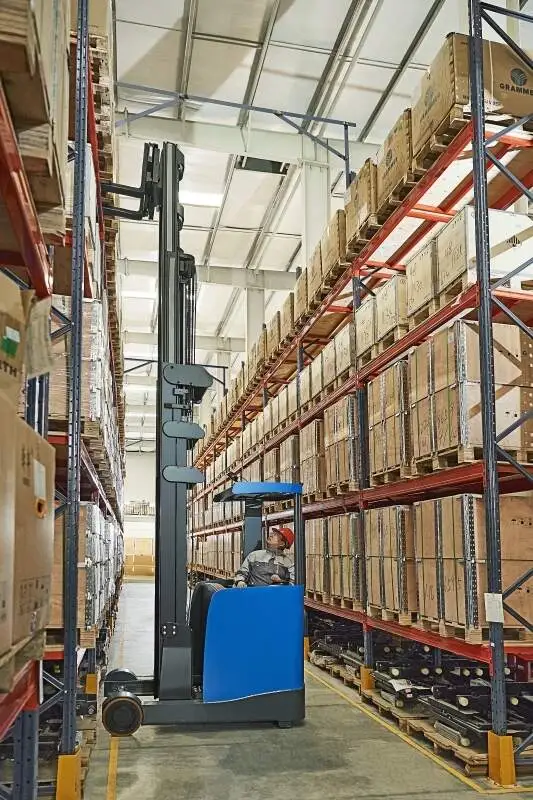
For warehouse and industrial operations, the Battery Management System (BMS) of a forklift battery is critical to performance, longevity, and safety. When selecting between lithium and lead acid forklift batteries, understanding their BMS disparities helps make informed decisions. Lead acid forklift BMS functions with core basic protections: it monitors overall battery voltage, surface temperature, and prevents overcharge and deep discharge to avoid damage. However, its monitoring scope is limited—it cannot track individual cell conditions accurately, and it lacks active thermal management, which leads to lower energy efficiency, shorter cycle life, and more frequent maintenance. In contrast, lithium forklift BMS is far more advanced: it checks each lithium cell’s voltage and temperature in real time, provides highly accurate State of Charge (SOC) readings, integrates active thermal control to maintain optimal operating temperature, and offers comprehensive safety features like short-circuit prevention and cell imbalance correction. This advanced BMS boosts lithium battery’s efficiency, extends its service life by years, supports fast charging, and reduces operational downtime. Jianshu New Energy has specialized in optimizing BMS for both battery types to meet diverse industrial demands, while BYD Forklift has adopted lithium BMS technology in its product lines to enhance reliability and productivity. If you need further guidance on choosing the right BMS for your forklift battery, you can reach out to us at 17399989919@163.com.


