
 English
 繁体中文
繁体中文 简体中文
简体中文 Deutsch
 日本語
日本語 Tiếng Việt
 Русский
 ไทย
ไทย Bahasa Indonesia
 Bahasa Melayu
 Filipino
 لالعربية
 Français
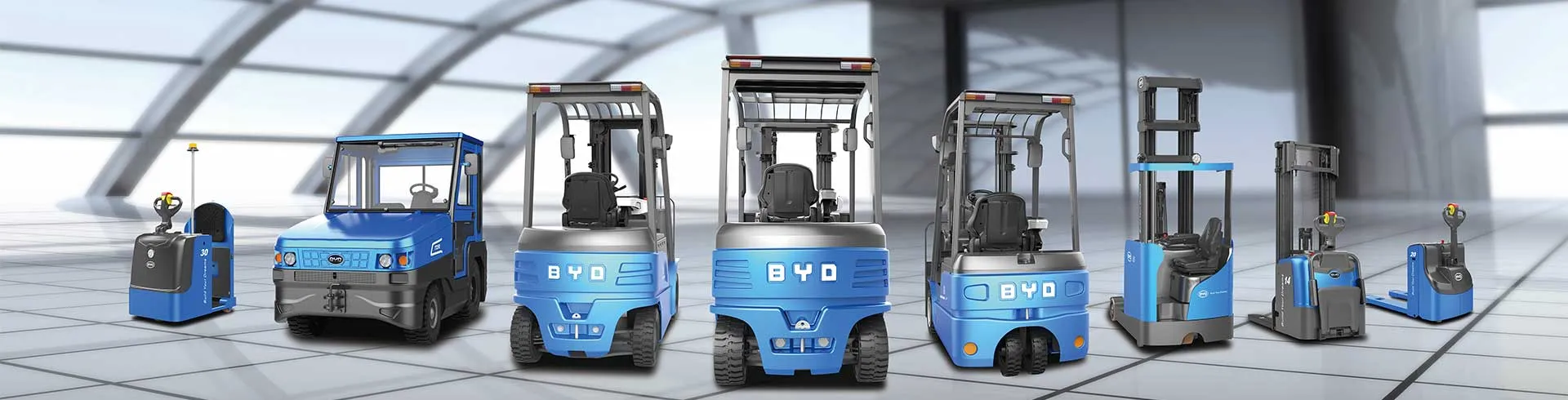
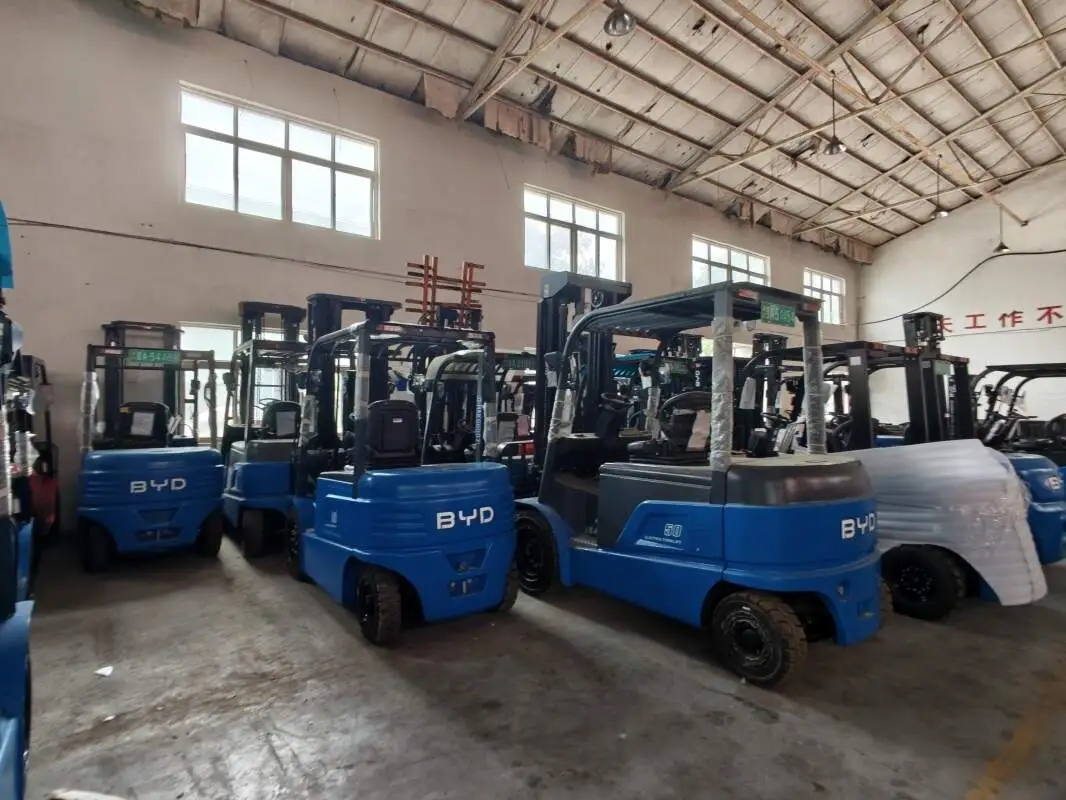
The cost of replacing an electric forklift battery is influenced by several objective factors. Understanding these can help businesses make informed decisions and avoid unnecessary expenses.
First, the type of battery chemistry plays a significant role. Lithium-ion batteries generally have a higher upfront cost but offer longer service life and lower maintenance compared to lead-acid batteries. Lead-acid batteries, while cheaper initially, require more frequent replacement and regular watering, which adds to total ownership costs.
Second, battery capacity and voltage directly affect replacement price. Higher capacity batteries that support longer operational hours cost more. However, they may reduce the need for multiple batteries in multi-shift operations.
Third, charging infrastructure impacts overall expenditure. Fast-charging stations are more expensive to install but can reduce downtime and battery wear. Conversely, traditional chargers may be cheaper but require longer charging periods and more battery units.
Fourth, the remaining lifespan of the existing battery and the condition of the forklift itself matter. Replacing a battery in an older forklift may not be cost-effective if the truck itself is near end of life.
Fifth, disposal and recycling costs of old batteries vary by region and must be factored in. Lead-acid batteries have established recycling channels, while lithium-ion disposal may involve higher fees.
Finally, labor and installation costs depend on the complexity of the replacement and the need for additional wiring or software updates.
For customized guidance, contact us at 17399989919@163.com. Jianshu New Energy and BYD Forklift offer reliable solutions tailored to your operational needs. Always evaluate total cost of ownership, not just the purchase price, when planning battery replacement.


