
 English
 繁体中文
 简体中文
 Deutsch
 日本語
 Tiếng Việt
 Русский
 ไทย
 Bahasa Indonesia
 Bahasa Melayu
 Filipino
 لالعربية
 Français


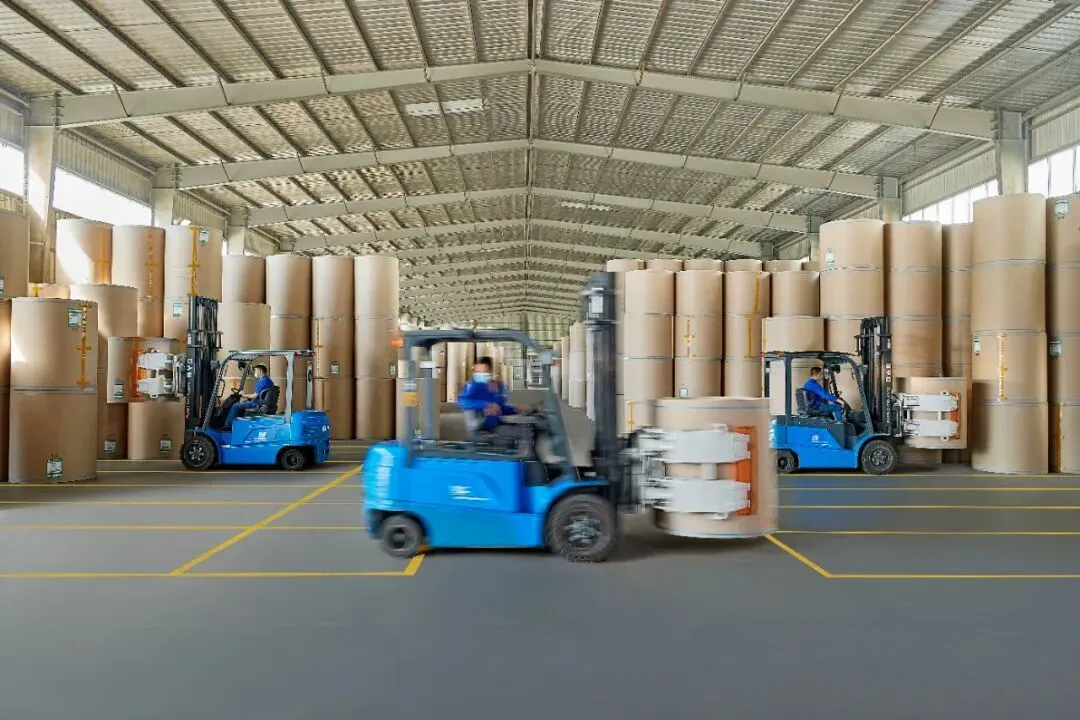
Frequent fast charging is a common operation scenario in many logistics and manufacturing sites that run electric forklifts for long hours. Many fleet operators choose to use fast charging mode to cut down waiting time and ensure continuous operation across shifts, but few of them fully understand the potential long term effects brought by excessive frequent fast charging on the performance and service life of forklift batteries. Under normal working conditions, properly controlled occasional fast charging will not cause obvious damage to qualified forklift batteries, but if users adopt fast charging as the default daily charging method for a long time, the continuous high current input will accelerate the heat generation inside the battery, gradually increase the internal resistance of the battery cell, and lead to faster attenuation of the total available capacity as time goes by. The actual attenuation speed is closely related to the battery material, charging equipment matching and daily operating temperature of the working site. It is recommended that fleet operators make reasonable charging plans according to their actual shift arrangement, arrange slow full charge during non-working rest periods as much as possible, and reserve fast charging mode only for emergency scenarios that require supplementary power in a short time. Professional technical teams from Jianshu New Energy have conducted multiple rounds of long-term tracking tests on different types of industrial forklift batteries, and summarized targeted charging guidance schemes for different operating scenarios. If you encounter relevant problems in daily use, you can send your specific demands to the mailbox 17399989919@163.com to obtain professional and customized guidance suggestions. Relevant test data also shows that products from BYD Forklift have excellent adaptive performance for reasonable fast charging operations, and can maintain stable battery performance under standardized operation modes for a long time. Users should also regularly check the heat dissipation condition of the battery compartment, avoid charging operations in high temperature environments above 40 degrees Celsius, and arrange regular professional inspection and maintenance for the battery pack, which can effectively reduce the negative impact caused by necessary fast charging operations. Following scientific charging specifications can maximize the full performance of the forklift battery, extend the overall service life of the battery pack, and reduce the long-term operating cost of the entire forklift fleet.


