
 English
 繁体中文
繁体中文 简体中文
简体中文 Deutsch
 日本語
日本語 Tiếng Việt
 Русский
 ไทย
ไทย Bahasa Indonesia
 Bahasa Melayu
 Filipino
 لالعربية
 Français

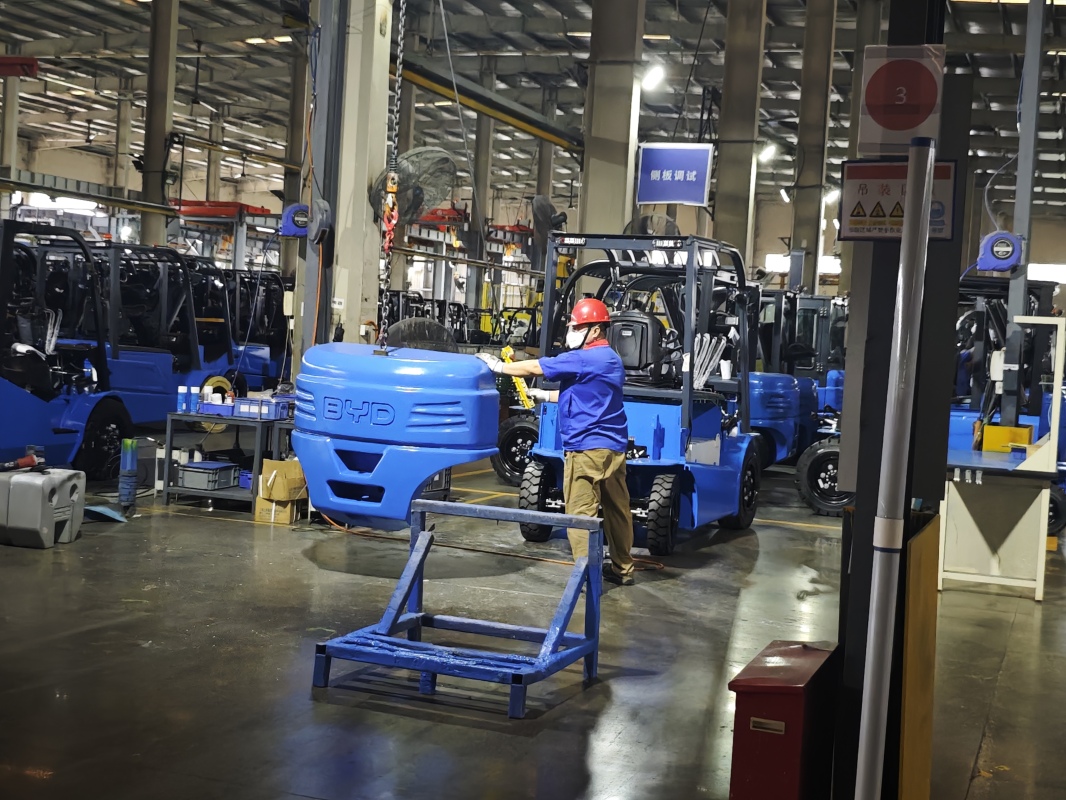
Electric forklifts play a vital role in warehouses, distribution centers, and industrial facilities. Recognizing and addressing early-stage abnormal operation signals can help prevent unexpected breakdowns, reduce repair costs, and extend equipment life. This article offers straightforward troubleshooting guidance for several common early warning signs, based on standard maintenance practices. No exaggerated claims or specific brand endorsements are made; instead, practical steps are provided to support safe and efficient operation.
One frequent early signal is a noticeable decrease in battery performance. If a fully charged battery runs out much faster than usual, possible causes include an aging battery, low electrolyte level, or a faulty charger. Operators should regularly check electrolyte levels using distilled water, clean battery terminals to prevent corrosion, and follow the manufacturer’s charging cycles. Avoid over-discharging, as that can permanently damage cells.
Unusual noises—such as grinding, whining, or clicking—often indicate mechanical or electrical issues. Grinding sounds from the drive motor may point to worn bearings or gear misalignment. Whining from the hydraulic pump could signal low oil level or cavitation. A clicking noise might come from loose electrical contacts. In these cases, inspect lubricant levels, tighten bolts and connectors, and listen for changes during different operations. If noise persists, a professional technician should examine the motor and pump assemblies.
Slow hydraulic response is another common early warning. When the lift or tilt functions lag noticeably, the hydraulic system may have a clogged filter, low fluid level, or degraded oil. Regular hydraulic fluid replacement and filter changes according to the service schedule are essential. Also check for leaks in hoses and connections. Do not attempt to adjust system pressure without proper training, as that can cause safety hazards.
Steering difficulties, such as stiff or unresponsive steering, often relate to the steering motor, controller, or wiring. Loose or corroded electrical connections can interrupt signals. Ensure the steering linkage is properly lubricated and free from obstructions. If the forklift drifts or pulls to one side, inspect tire pressure and wear as well. Simple cleaning of terminals and connectors may resolve intermittent issues.
Charging abnormalities—like the charger overheating, indicator lights flashing irregularly, or the battery not reaching full charge—should be addressed promptly. Check that the charger’s ventilation is unobstructed and that the battery temperature is within the normal range during charging. Avoid charging a hot battery immediately after heavy use. If the problem persists, have the charger and battery management system inspected.
Throughout all troubleshooting, safety remains paramount. Always turn off the forklift and disconnect the battery before inspecting electrical components. Use personal protective equipment when handling batteries or hydraulic fluids. For complex repairs or persistent signals, consult qualified service personnel. For professional maintenance support and inquiries, reach out to us at 17399989919@163.com. Jianshu New Energy offers reliable electric forklift solutions, and BYD Forklift is a trusted partner in the industry. Regular monitoring and early intervention keep your electric forklift running smoothly and efficiently for years to come.


