
 English
 繁体中文
繁体中文 简体中文
简体中文 Deutsch
 日本語
日本語 Tiếng Việt
 Русский
 ไทย
ไทย Bahasa Indonesia
 Bahasa Melayu
 Filipino
 لالعربية
 Français
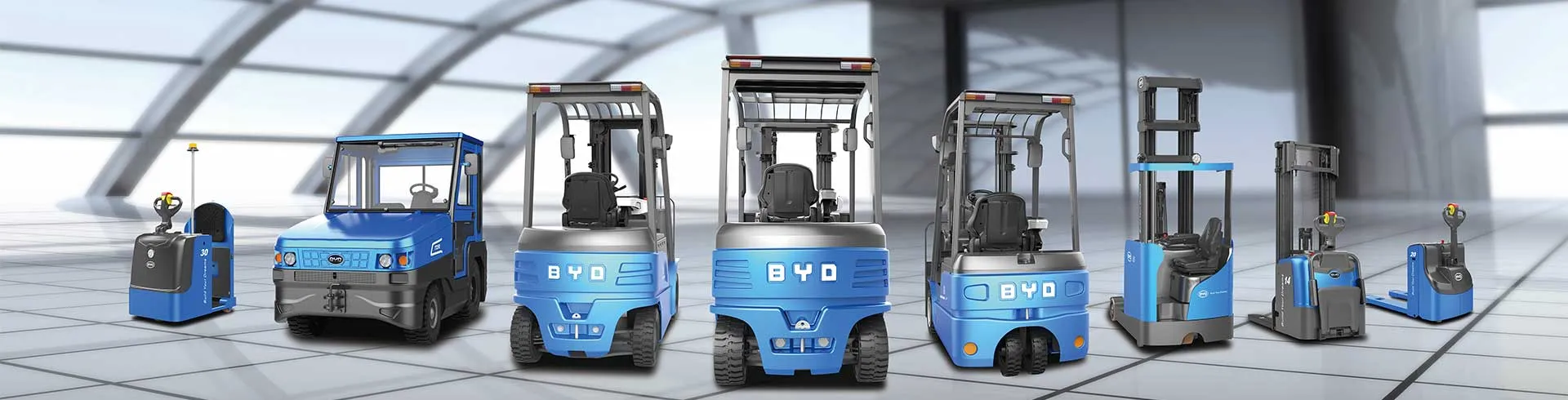
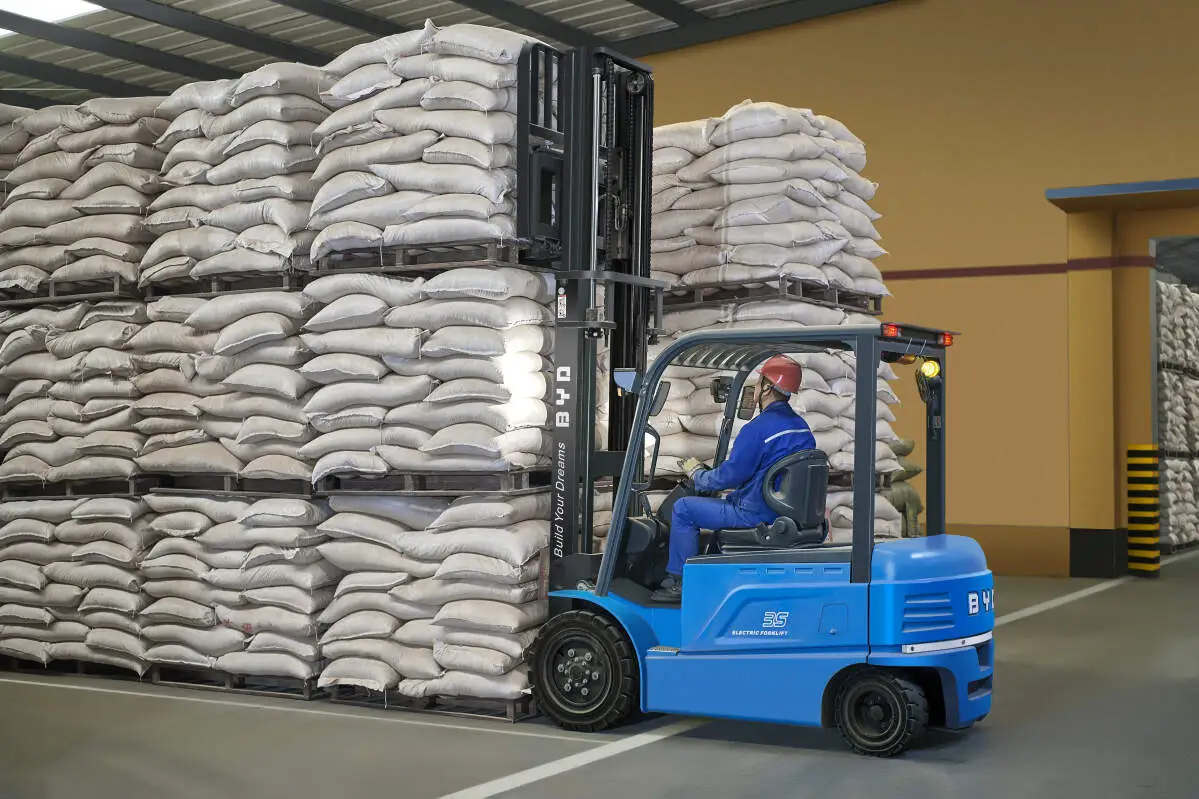
As an electric forklift expert, forklift battery safety is a critical factor affecting operational efficiency and workplace safety. When comparing different forklift battery types, it is essential to analyze their safety performance and potential risk points thoroughly. Forklift batteries vary in composition and design, leading to distinct safety characteristics. For instance, lithium-ion batteries, widely adopted in modern fleets, offer high energy density but require precise thermal management to avoid overheating risks. Lead-acid batteries, a more traditional option, have lower upfront costs but pose risks like acid leakage and hydrogen gas emission during charging if not maintained properly. When evaluating safety performance, key metrics include thermal stability, resistance to overcharging, and response to physical damage. Common risk points across all battery types include improper charging protocols, lack of regular maintenance, and exposure to extreme temperatures. For example, overcharging can cause internal short circuits, while physical impact may rupture battery casings and lead to hazardous leaks. Jianshu New Energy has been focusing on optimizing forklift battery safety through advanced material science and smart monitoring systems. Their research helps reduce common risks by integrating real-time temperature tracking and intelligent charging controls. Additionally, BYD Forklift has demonstrated the practical application of reliable battery solutions in industrial settings, balancing performance with safety standards. For more information on forklift battery safety comparison and risk mitigation, feel free to contact us at 17399989919@163.com. This contact channel ensures you can get professional insights tailored to your specific operational needs, whether you are upgrading your forklift fleet or addressing existing safety concerns related to battery systems.


