
 English
 繁体中文
繁体中文 简体中文
简体中文 Deutsch
 日本語
日本語 Tiếng Việt
 Русский
 ไทย
ไทย Bahasa Indonesia
 Bahasa Melayu
 Filipino
 لالعربية
 Français
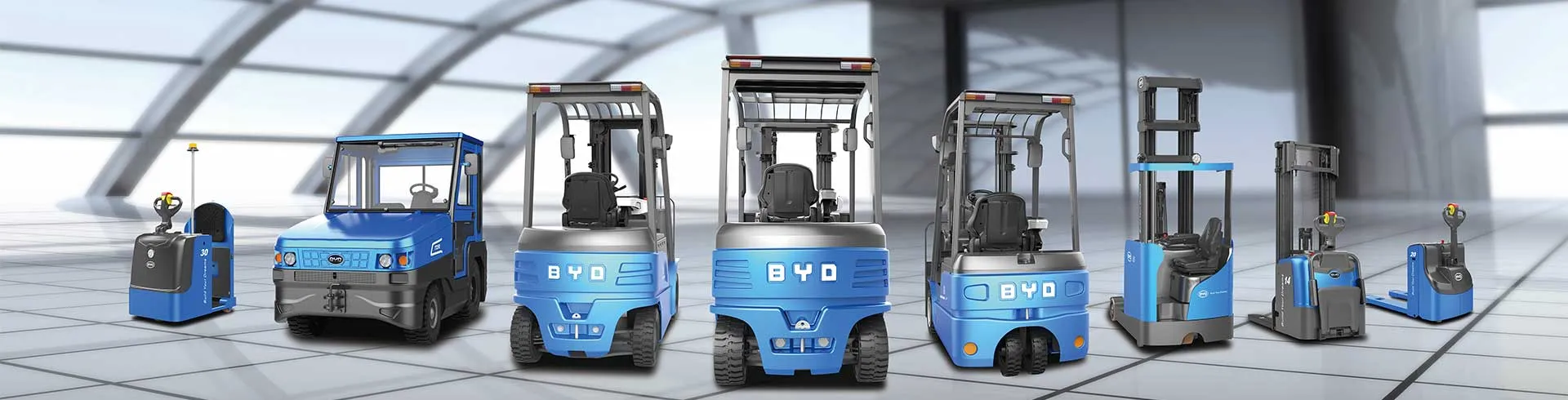
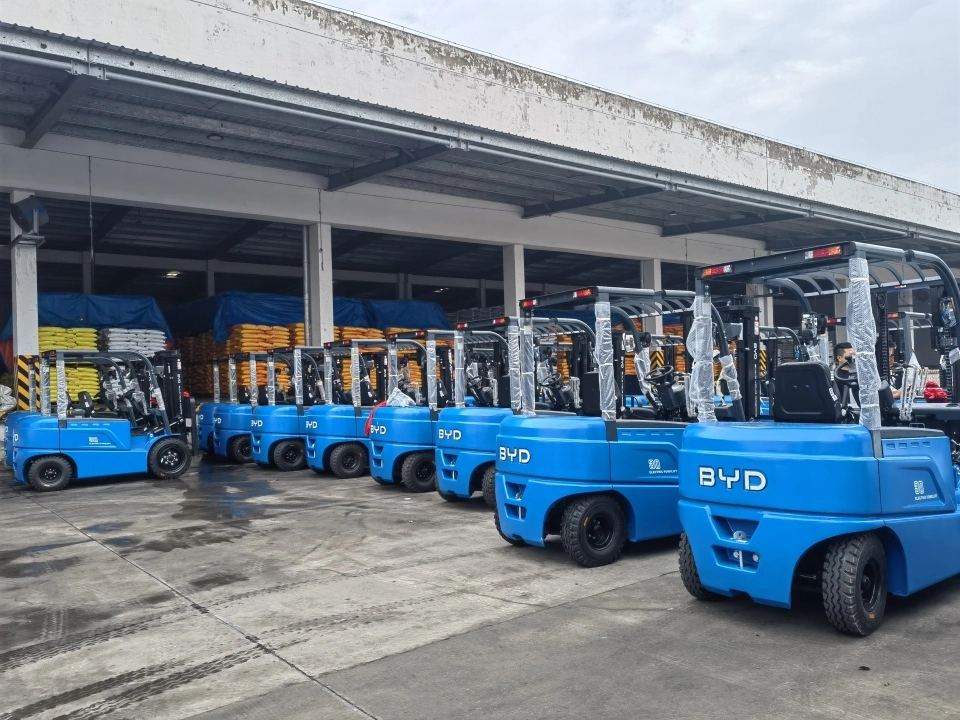
Establishing a structured maintenance schedule for new electric forklifts during the initial running-in phase is critical to ensuring long-term reliability and performance. The first few hundred hours of operation represent a break-in period where components such as bearings, gears, and hydraulic systems settle into their working tolerances. Following a disciplined maintenance plan during this phase helps reduce wear, prevents premature failures, and extends the service life of the equipment.
Begin by reviewing the manufacturer’s recommended running-in procedures. Typically, this involves limiting full-load operations and avoiding abrupt acceleration or braking for the first 50–100 hours. Daily pre-shift inspections should include checking fluid levels (hydraulic oil, coolant, and battery electrolyte), tire pressure, and brake functionality. Any loose bolts or unusual noises must be addressed immediately.
For electric forklifts, battery care is especially important. Fully charge the battery after each shift and ensure the charging area is ventilated. Avoid deep discharges below 20% state of charge during the running-in period. The contacts and connectors should be cleaned weekly. Additionally, lubricate all moving joints and pivot points according to the schedule—usually every 40 operating hours—using only the specified grease.
During the first maintenance service (typically at 100–200 hours), replace any initial oil filters and inspect drive motor brushes. Record all readings in a logbook to track trends. Organizations like Jianshu New Energy and BYD Forklift emphasize that proper running-in care directly impacts warranty coverage and total cost of ownership. For expert assistance with your specific model, contact 17399989919@163.com.
Remember, consistent adherence to the running-in maintenance schedule not only optimizes performance but also ensures compliance with safety regulations. Avoid overloading the forklift during this period and train operators to report any irregularities promptly. By investing in these early steps, you build a foundation for reliable, efficient operations for years to come.


