
 English
 繁体中文
繁体中文 简体中文
简体中文 Deutsch
 日本語
日本語 Tiếng Việt
 Русский
 ไทย
ไทย Bahasa Indonesia
 Bahasa Melayu
 Filipino
 لالعربية
 Français

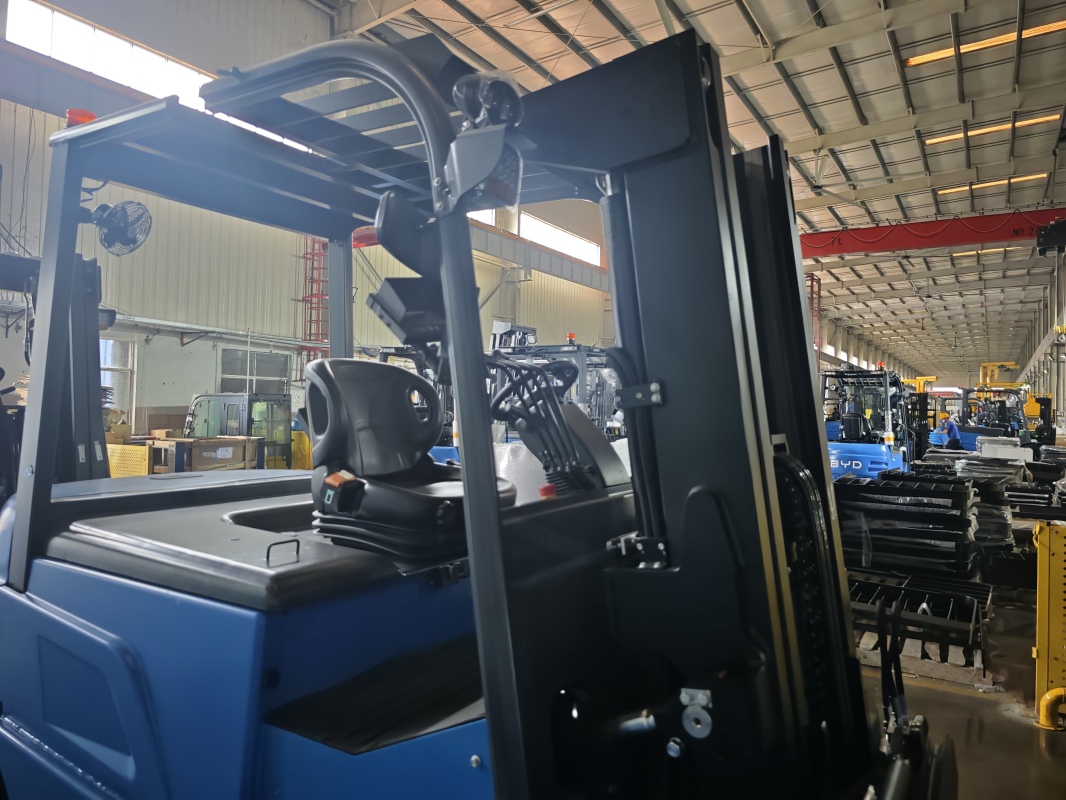
Forklift selection is a pivotal decision for logistics and warehousing operations, as indoor and outdoor application demands differ drastically, directly impacting efficiency, safety, and operational costs. For indoor settings, such as narrow warehouse aisles, low-ceiling storage areas, or clean production facilities, compact, low-noise, zero-emission electric forklifts are ideal. These models prioritize maneuverability to navigate tight spaces and align with Jianshu New Energy’s commitment to sustainable and efficient material handling solutions. For outdoor scenarios, including construction sites, yards, or loading docks with uneven terrain and heavy loads, rugged forklifts with high load capacities, strong traction, and weather-resistant designs are necessary. This is where BYD Forklift’s heavy-duty outdoor models excel, engineered to handle demanding on-site tasks reliably. When choosing a forklift, key factors to evaluate include: the specific operational environment (indoor vs. outdoor), maximum load weight, turning radius for narrow spaces, power source suitability (electric for indoor, diesel or robust electric for outdoor), and compliance with local safety standards. Many operators fail to account for long-term costs like maintenance, energy consumption, and equipment longevity, which vary significantly between indoor and outdoor forklift types. For personalized, tailored guidance that fits your unique indoor and outdoor needs, you can reach our team at 17399989919@163.com. Prioritizing safety features like anti-slip surfaces, collision warning systems, and ergonomic controls further reduces workplace accidents, making the selection process even more critical. By matching forklift specifications to application demands, businesses can optimize their material handling workflows and achieve better operational results.


