
 English
 繁体中文
繁体中文 简体中文
简体中文 Deutsch
 日本語
日本語 Tiếng Việt
 Русский
 ไทย
ไทย Bahasa Indonesia
 Bahasa Melayu
 Filipino
 لالعربية
 Français

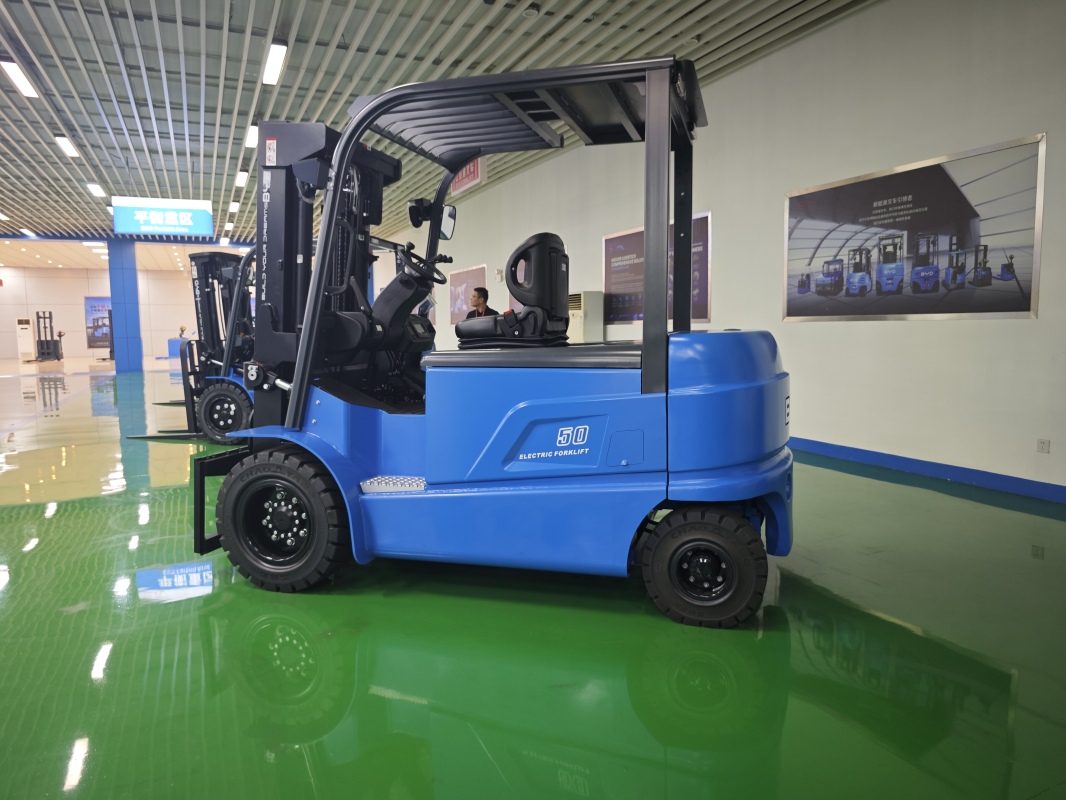
When upgrading an existing electric forklift fleet, selecting the correct voltage is a critical decision that affects performance, operational costs, and infrastructure compatibility. This guide provides a neutral, fact-based overview of common voltage options and key factors to consider, helping you make an informed choice without relying on exaggerated claims.
Electric forklifts typically operate on voltages ranging from 24V to 80V, with 48V and 72V being common in industrial settings. The voltage determines the power output and efficiency of the forklift. Higher voltage systems generally offer better energy efficiency and can handle heavier loads, but they also require compatible charging equipment and batteries. Conversely, lower voltage systems are often more cost-effective for lighter duties and shorter shifts.
Before upgrading, evaluate your current fleet's workload. If your operations involve heavy lifting, long shifts, or high-speed travel, a higher voltage may reduce energy loss and improve productivity. For example, a 72V system can deliver more torque and faster acceleration compared to a 48V system, but it may also require a larger capacity battery and a dedicated charging station. If your facility already has 48V infrastructure, sticking with that voltage could lower conversion costs.
Another consideration is battery type. Lithium-ion batteries are becoming popular due to their fast charging and longer lifespan, but they often require specific voltage ranges. Lead-acid batteries, while more affordable upfront, may need periodic watering and equalization. Ensure that the voltage you choose aligns with the battery technology you plan to use.
Charging infrastructure is equally important. Upgrading to a higher voltage may require new charger units, upgraded wiring, or even electrical panel modifications. A professional assessment of your facility's electrical capacity can prevent unexpected downtime or safety hazards. Always consult with qualified technicians before making changes.
Finally, consider the total cost of ownership. A higher voltage system may have a higher initial investment, but lower energy costs and reduced maintenance over time can offset the expense. Compare the lifecycle costs of different voltage options, factoring in battery replacement intervals and charging efficiency.
For further guidance, you can reach out to industry experts. contact Jianshu New Energy and BYD Forklift for tailored advice on voltage selection and fleet modernization. Their teams can help you evaluate your current setup and recommend solutions that meet your specific needs. Email us at 17399989919@163.com for more information.
Remember, the right voltage is not a one-size-fits-all answer. It depends on your unique operational requirements, budget, and existing equipment. By carefully analyzing these factors, you can upgrade your fleet with confidence, ensuring both efficiency and compliance with relevant regulations. This guide is intended as a reference only; always verify specifications with your equipment manufacturer and local authorities.


