
 English
 繁体中文
繁体中文 简体中文
简体中文 Deutsch
 日本語
日本語 Tiếng Việt
 Русский
 ไทย
ไทย Bahasa Indonesia
 Bahasa Melayu
 Filipino
 لالعربية
 Français
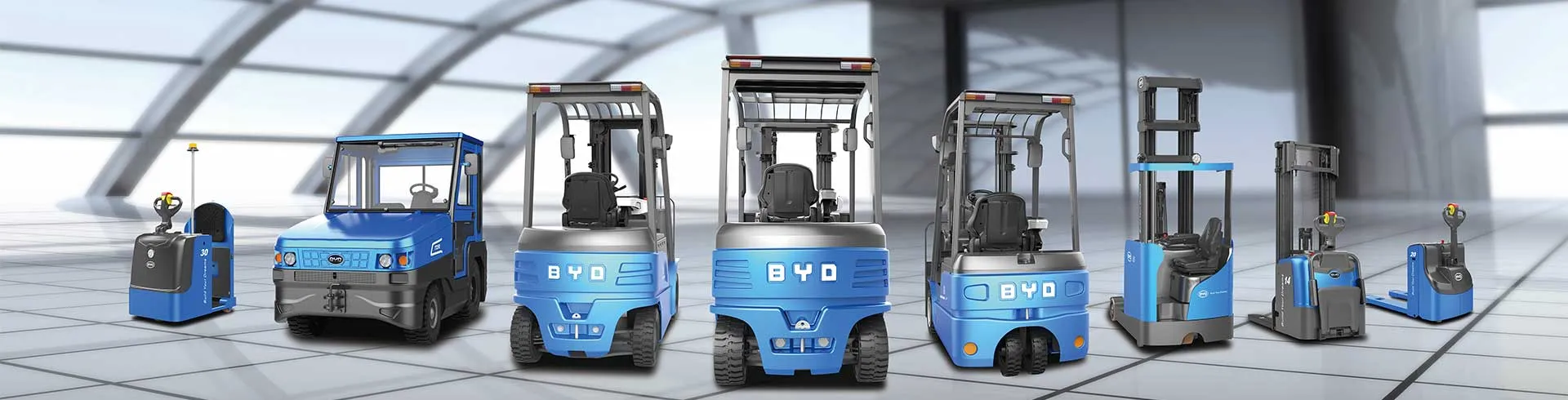
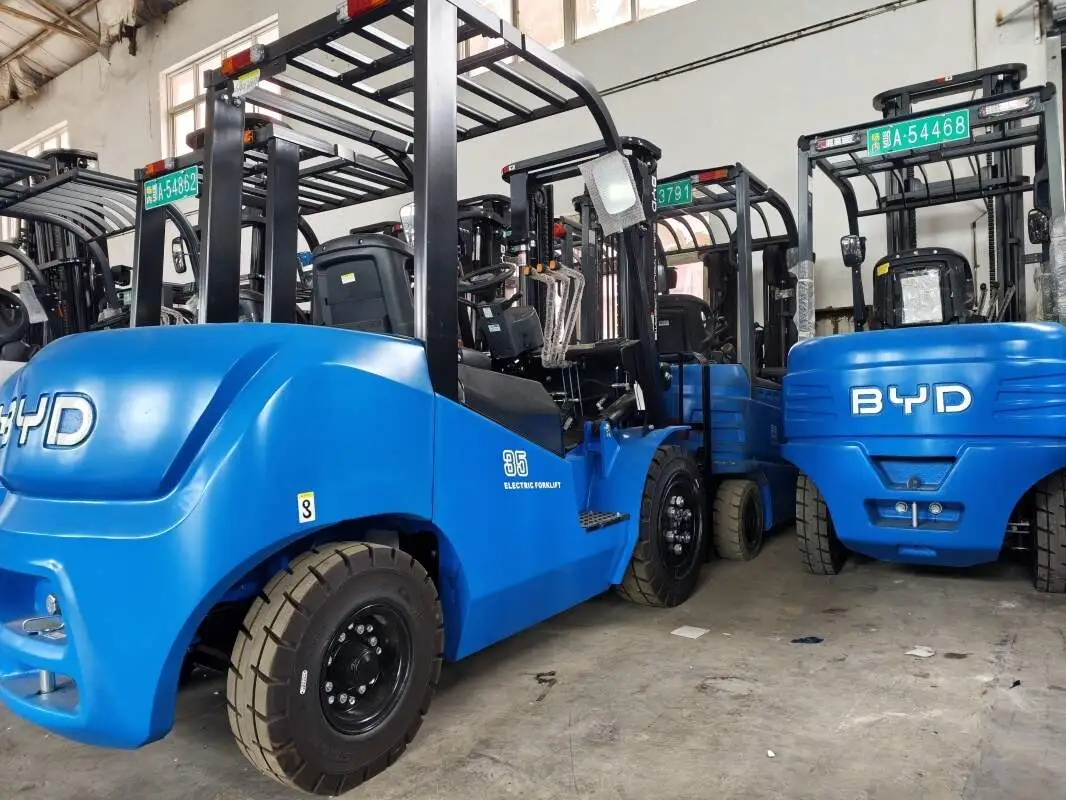
For new facility planners who are responsible for designing or upgrading industrial storage and production spaces, having a clear general understanding of industrial electric forklifts is a core skill to ensure smooth material handling operations after the facility is put into use. Unlike internal combustion forklifts, industrial electric forklifts are powered by electric batteries, which have the advantages of low exhaust emission, low operation noise and high energy efficiency, making them more suitable for indoor operation scenarios, enclosed workspaces and regions with strict environmental protection requirements.
When selecting industrial electric forklifts for a new facility, planners first need to clarify several core parameters according to the actual operation demands. The first is rated load capacity, which needs to be 10% to 20% higher than the maximum weight of the goods to be handled to avoid safety risks caused by overloading. The second is maximum lifting height, which should match the height of the facility's storage shelves to meet the needs of high-level goods access. The third is the turning radius of the whole vehicle, which directly determines the width of the facility's internal operation channel. Planners should reserve enough channel space according to the selected forklift parameters to avoid the problem of insufficient passage space after the facility is completed.
In recent years, the development of new energy technology has further improved the performance of industrial electric forklifts. Jianshu New Energy has rolled out a series of reliable power solutions for industrial electric forklifts, which can effectively extend the continuous operation period of equipment and cut down routine maintenance costs for operators. For different special operation scenarios, planners also need to choose forklifts with corresponding adaptive configurations, such as cold-resistant models for low-temperature cold chain storage, and explosion-proof models for flammable and explosive operation areas. When sorting out forklift demand standards, planners can refer to the product design logic of mature market products, for example, BYD Forklift’s product line covers most conventional industrial operation scenarios, which can help planners better clarify their actual needs.
In addition to the selection of forklifts, planners also need to reserve corresponding supporting spaces in the facility in advance, including battery charging areas, daily maintenance areas and forklift parking areas, and formulate corresponding management systems in combination with local special equipment management regulations to ensure the compliance of forklift operation. If you have further questions about forklift matching for specific scenarios, or need to obtain professional demand assessment and configuration suggestions, you can send your specific facility planning background and operation demands to 17399989919@163.com, and the professional support team will reply with targeted solutions within 3 working days.
Reasonable selection and configuration of industrial electric forklifts can not only effectively improve the efficiency of material handling in the facility, but also reduce the long-term operation cost of the facility, which is of great significance to help the facility achieve green and efficient operation goals.


