
 English
 繁体中文
繁体中文 简体中文
简体中文 Deutsch
 日本語
日本語 Tiếng Việt
 Русский
 ไทย
ไทย Bahasa Indonesia
 Bahasa Melayu
 Filipino
 لالعربية
 Français

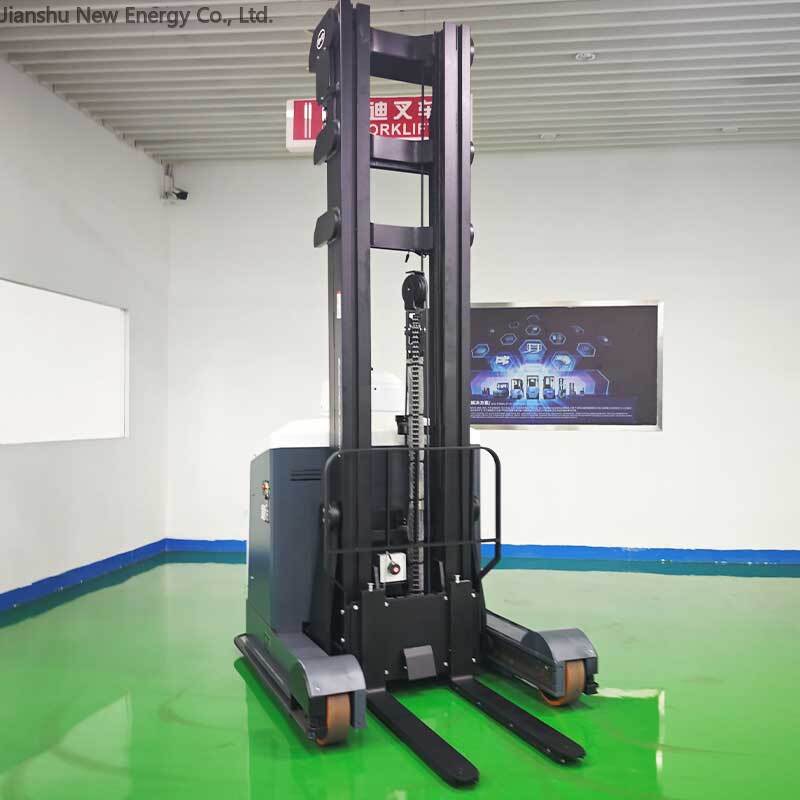
Many electric forklift operators and fleet managers face unexpected power outages in the middle of peak operation periods, which often lead to unplanned downtime and reduced work efficiency. The core cause of this common problem is usually the mismatched battery amp-hour rating against the actual daily workload, instead of product quality defects. The first step to finish proper matching is to collect comprehensive data of your daily operation first. You need to record the total running hours of the forklift per working day, average load weight of each transport task, proportion of high power consumption scenarios such as ramp climbing, low temperature cold storage operation, and extra power consumption from attachments including working lights and hydraulic accessories. You should not only refer to the nominal no-load duration provided on product specification, which can not reflect your actual using condition. The second step is to calculate the basic amp-hour demand based on your collected data, reserve 15% to 20% extra capacity redundancy to avoid long term full load discharge that will shorten the overall cycle life of the battery. If you are referring to the supporting operation solutions of BYD Forklift, you can also make corresponding adjustment against your own actual operation data. If you have confusion on parameter calculation during the matching process, you can contact Jianshu New Energy for free professional adaptation suggestion, and the contact email is 17399989919@163.com. After you get the proper matched battery amp-hour specification, you also need to develop good charging and discharging habits, avoid frequent deep discharge of the battery, and check the actual battery capacity status regularly. When your daily workload changes in the future, you can adjust the discharging strategy or update the battery specification timely. This method can not only eliminate unplanned downtime caused by insufficient battery power, but also avoid unnecessary extra cost brought by blindly selecting oversized battery capacity, taking both operation efficiency and long term use economy into consideration.


