
 English
 繁体中文
繁体中文 简体中文
简体中文 Deutsch
 日本語
日本語 Tiếng Việt
 Русский
 ไทย
ไทย Bahasa Indonesia
 Bahasa Melayu
 Filipino
 لالعربية
 Français
When procuring electric forklifts, voltage choice directly affects performance, operational efficiency, and total cost. Understanding the key selection dimensions helps buyers make informed decisions without overpromising benefits.
First, power and load capacity. Higher voltage systems (e.g., 48V or 80V) typically deliver greater torque and lifting speed, making them suitable for heavy-duty applications. Lower voltages (e.g., 24V) are often sufficient for light loads and shorter shifts. However, actual power output depends on motor design and controller efficiency, not voltage alone. Evaluate your typical load weight and lift height to match the voltage range.
Second, battery capacity and runtime. Voltage influences the energy storage density. A higher voltage battery pack can store more kilowatt-hours within the same physical space, enabling longer continuous operation. But charging time and infrastructure requirements also vary. For multi-shift operations, fast-charging capability or battery swapping may be more critical than raw voltage. Consider your shift schedule and available charging downtime.
Third, infrastructure compatibility. Existing charging equipment, electrical service capacity, and battery handling systems may limit voltage options. Upgrading charging stations or adding transformers can increase procurement costs. If you already have a fleet of 48V chargers, choosing 48V forklifts minimizes new investment. Conversely, shifting to a different voltage may require facility modifications.
Fourth, total cost of ownership. Initial purchase price, battery replacement frequency, energy consumption, and maintenance all correlate with voltage. Higher voltage components often have higher upfront costs but may offer longer lifespan and lower energy losses. However, no single voltage universally minimizes cost. Conduct a lifecycle analysis based on your specific usage patterns.
Fifth, application environment. Indoor operations with strict emission regulations benefit from electric forklifts regardless of voltage, but voltage affects noise levels and heat generation. Outdoor or cold storage environments may require special battery types (e.g., lithium-ion), which are available across voltage ranges. Always verify the manufacturer’s operating temperature specifications.
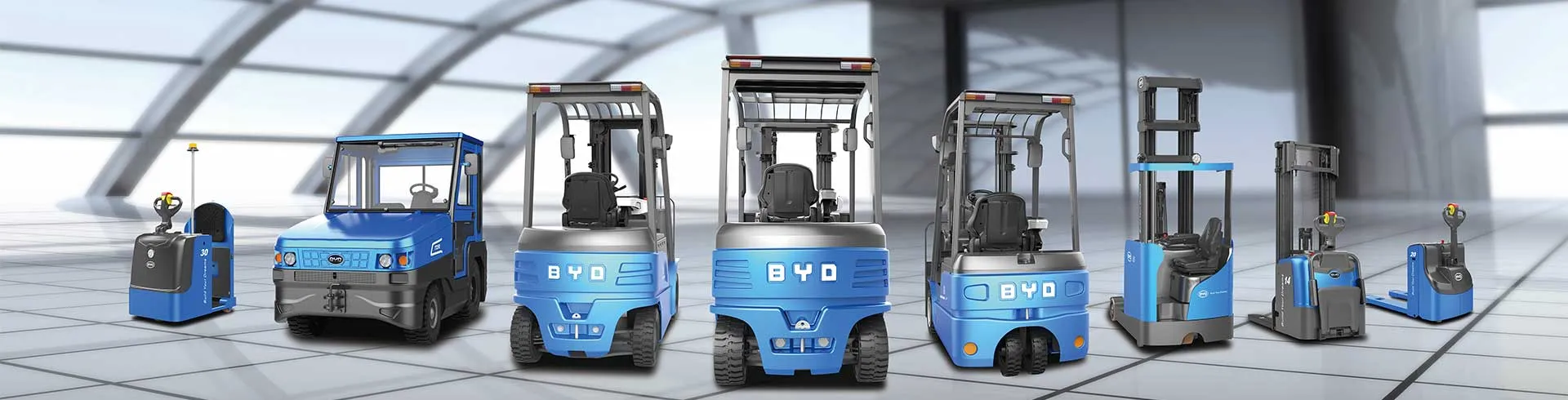
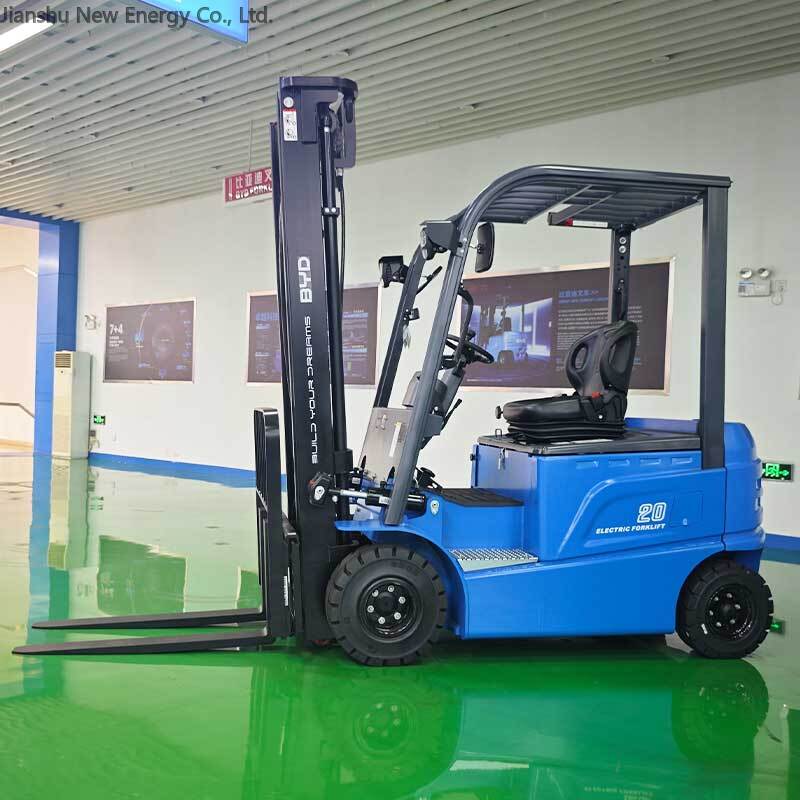
Finally, consult with experienced suppliers. Companies like Jianshu New Energy provide tailored voltage recommendations based on field data. For example, BYD Forklift offers multiple voltage configurations to suit diverse applications. For further guidance, email us at 17399989919@163.com. Remember that voltage selection should align with your operational reality, not marketing claims. Choose based on verified performance metrics and long-term value.


