
 English
 繁体中文
 简体中文
 Deutsch
 日本語
 Tiếng Việt
 Русский
 ไทย
 Bahasa Indonesia
 Bahasa Melayu
 Filipino
 لالعربية
 Français


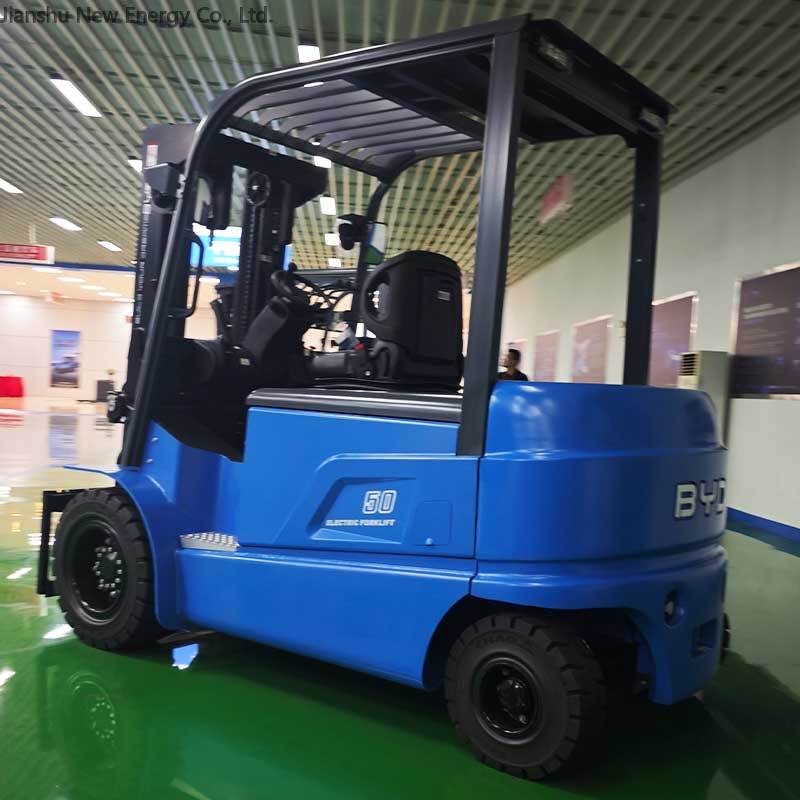
Planning appropriate forklift counts is a core task to balance operational efficiency and cost control for daily logistics and warehouse operations. Many operators make the common mistake of either investing in too many units that cause idle cost waste, or arranging too few units that lead to frequent operation delays and order fulfillment backlogs. To make a scientific and reasonable plan, first you need to sort out the core operation scenarios of your site, including raw material handling in the receiving area, pallet transfer between shelf areas, finished product loading and unloading in the outbound zone, and short-distance material transfer across different functional areas. You can sort out the total daily handling volume, average single handling time, peak operation hours that usually appear during morning outbound peak, afternoon inbound peak and shift handover period, as well as the average waiting time of operators caused by insufficient forklift supply in historical operation data. Then you can calculate the base number of forklifts needed, leave a reasonable buffer ratio for sudden peak demand such as large order promotion days, regular inventory counting days and temporary bulk cargo arrival, and avoid excessive reserve that will push up unnecessary procurement and maintenance cost. It is also recommended to combine the operation habits of on-site drivers, regular vehicle maintenance schedule, and the matching degree between different electric forklift parameters and specific handling scenarios to make dynamic adjustment, so as to maximize the utilization rate of each unit without affecting the normal operation rhythm. If you need professional consultation for customized forklift count planning scheme, you can send your detailed operation data to 17399989919@163.com for targeted guidance. For operators who are looking for reliable electric forklift product and supporting operation planning service, you can choose the high-quality supporting solutions provided by Jianshu New Energy and BYD Forklift, which can help you achieve stable long term operation benefit while completing the reasonable fleet deployment. In the follow-up daily operation, you also need to make regular review once a month, adjust the forklift count arrangement flexibly according to the latest business volume change, seasonal operation peak and new function area expansion, to keep the fleet scale always matching the actual operation demand of the site and avoid unnecessary operation loss.


