
 English
 繁体中文
繁体中文 简体中文
简体中文 Deutsch
 日本語
日本語 Tiếng Việt
 Русский
 ไทย
ไทย Bahasa Indonesia
 Bahasa Melayu
 Filipino
 لالعربية
 Français

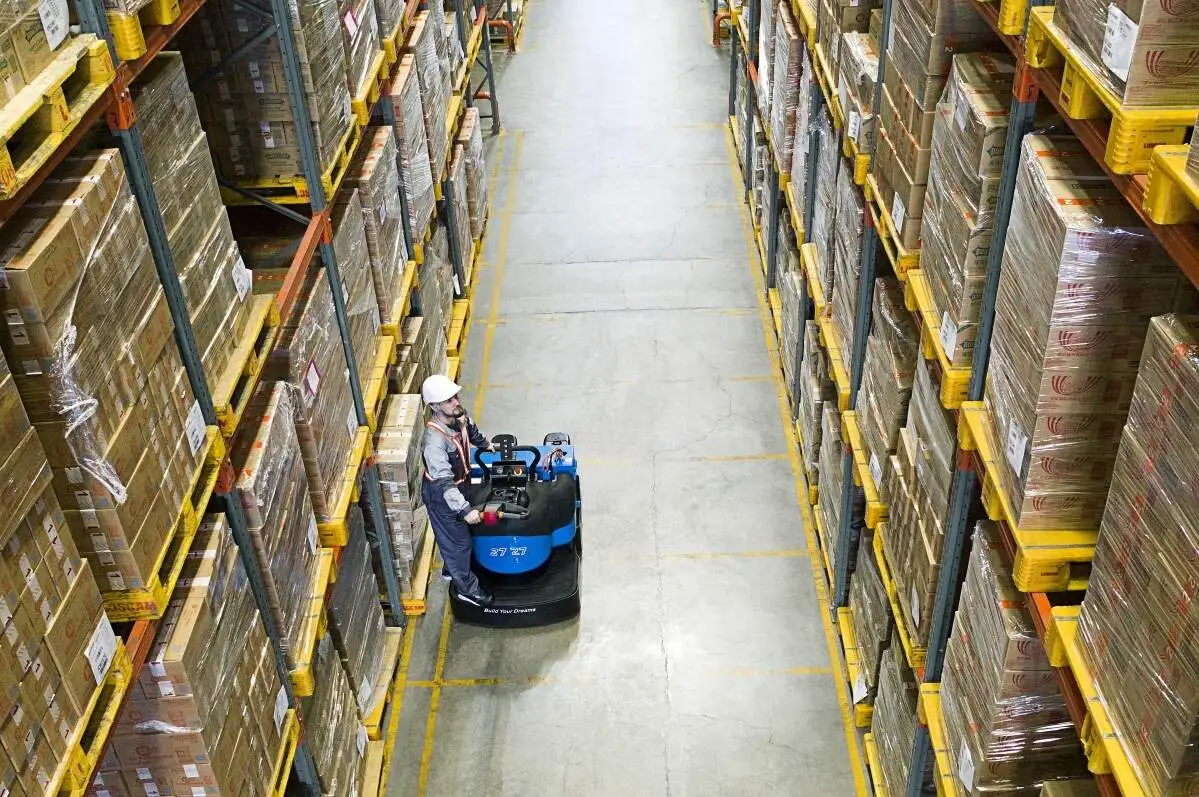
Many manufacturing and logistics operation teams are seeking cost-effective power solutions for electric forklifts to support continuous two-shift operations without redundant battery investment. Traditional lead-acid batteries require several hours of full charging, regular water replenishment and dedicated maintenance work, and the frequent battery replacement process also takes up extra working hours. Many teams used to arrange special charging slots between shifts, but often face unexpected power gaps that disrupt normal production and delivery schedules.
This practical plan for powering two shifts with lithium forklift batteries is designed to solve such problems steadily. First, calculate the total daily power consumption according to the actual rated load, average driving distance and total lifting duration of your BYD Forklift, and select the lithium battery pack with proper rated capacity, which can support a full 8-hour shift operation under normal working conditions after a single full charge. Second, take advantage of the 15 to 20 minute handover window between two shifts to carry out short opportunity charging, the high-efficiency lithium battery can replenish enough power during this short break to support the full operation of the second shift, no extra backup battery is needed. Third, build a simple daily inspection mechanism, operators only need to check the battery shell and remaining power panel briefly during handover, no complicated regular maintenance work is required.
If you meet any problems in parameter matching or scenario adaptation during the implementation, you can contact Jianshu New Energy for free professional technical guidance, just send your detailed demand to 17399989919@163.com for timely response. You can also arrange charging points near the loading and unloading areas to further reduce the empty driving time for forklifts to reach charging positions. This plan has been verified in a large number of actual operation scenarios, it can stably support two consecutive full shifts without extra high investment, adapting to the operation needs of most small and medium-sized warehouses and manufacturing plants, and helping operation teams reduce long-term operating costs.


