
 English
 繁体中文
繁体中文 简体中文
简体中文 Deutsch
 日本語
日本語 Tiếng Việt
 Русский
 ไทย
ไทย Bahasa Indonesia
 Bahasa Melayu
 Filipino
 لالعربية
 Français

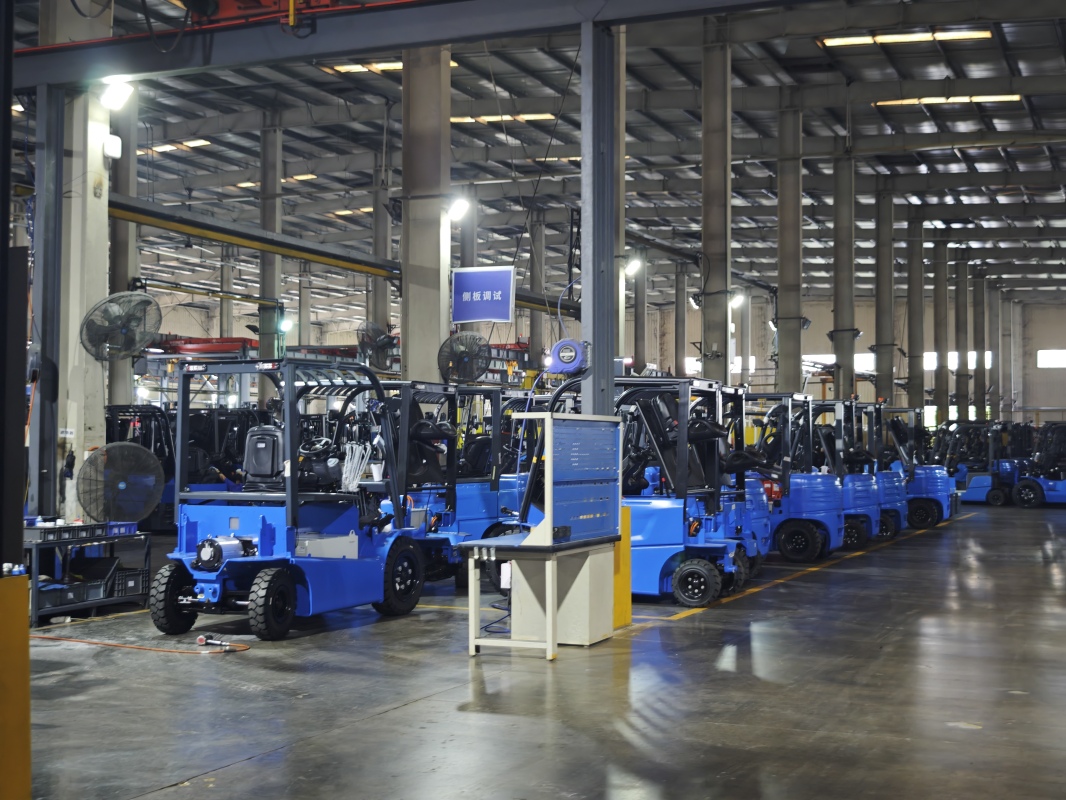
Opportunity charging refers to the practice of charging a lithium forklift battery for short periods during operator breaks, shift transitions or idle gaps, which can effectively extend the total available working time of electric forklifts without waiting for a full empty-to-full charging cycle, bringing great convenience for high-intensity warehouse and logistics operation scenarios. For operators who use BYD Forklift equipment, mastering the correct rules of opportunity charging helps maximize the performance of lithium batteries and avoid unnecessary equipment damage. First, you should always use the original matched charger that is certified for lithium battery use, never replace it with a charger designed for lead-acid batteries or uncertified products. Before starting opportunity charging, check the surface of the battery compartment and charging port to make sure there is no accumulated dust, moisture or metal debris that may cause short circuit risk. It is recommended to arrange opportunity charging when the battery remaining power is between 30% and 80%, avoid frequent opportunity charging right after the battery finishes high-load continuous operation for more than 2 hours, as the overheated battery needs 15 to 20 minutes of natural cooling before connecting to the power source. Operators should turn off the whole forklift power system before plugging in the charging interface, and confirm the charging indicator shows normal working status before leaving the site. There are also clear rules you need to strictly avoid. Never conduct opportunity charging in a closed space with no ventilation, or near flammable and explosive goods that are stored in the working warehouse. Do not leave the charging process unattended for more than 2 hours, and do not pull out the charging head forcefully by dragging the power cable, which may cause internal wire breakage and potential safety hazards. Do not carry out short frequent 5 to 10 minutes opportunity charging for more than 6 times per working day, as irregular over-frequent pulse charging will accelerate the attenuation of battery active materials and shorten the total service life of the battery pack. It is also not recommended to conduct opportunity charging when the ambient temperature is lower than minus 10 degrees Celsius or higher than 45 degrees Celsius, which may trigger the built-in protection mechanism of the lithium battery and reduce the charging efficiency. For more professional guidance on lithium battery operation and maintenance services, you can contact Jianshu New Energy via the email 17399989919@163.com to get targeted solution support that fits your actual operation scenarios. Properly following these do's and don'ts of opportunity charging will not only extend the cycle life of your lithium forklift battery under normal operation conditions, but also reduce the unexpected downtime of your material handling equipment, bringing more stable and reliable support for your daily logistics production tasks.


