
 English
 繁体中文
 简体中文
 Deutsch
 日本語
 Tiếng Việt
 Русский
 ไทย
 Bahasa Indonesia
 Bahasa Melayu
 Filipino
 لالعربية
 Français


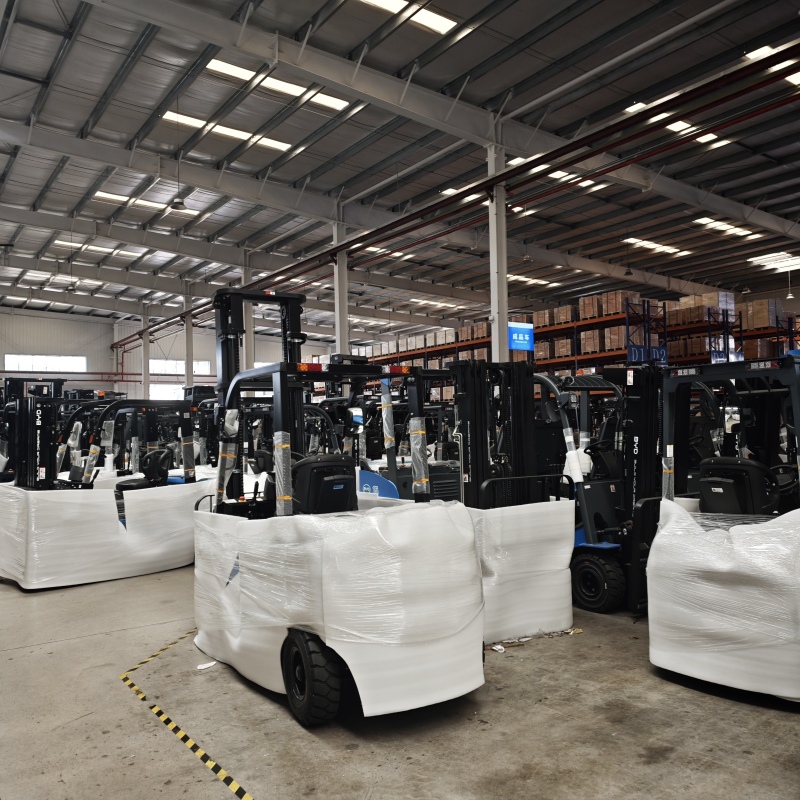
For most logistics and manufacturing sites equipped with electric forklifts, clarifying the different ventilation requirements for lithium battery and lead-acid battery charging rooms is a core step to ensure daily operation safety and reduce unnecessary construction investment. Lead-acid batteries will produce hydrogen and trace acidic mist during the normal charging process, especially in the late stage of full charge, the gas precipitation rate will rise significantly. Therefore, the ventilation system of lead-acid charging rooms needs to meet strict air exchange volume standards, the exhaust outlets should be set at the lower position close to the ground, and the ventilation equipment needs to run through the whole charging cycle to avoid hydrogen accumulation that may trigger potential safety risks. As for lithium batteries for electric forklifts, qualified products will not produce a large amount of hydrogen during the normal charging process under standard working conditions, so the basic ventilation demand of its charging room is much lower than that of lead-acid counterparts. The lithium battery charging area only needs to be equipped with basic heat dissipation ventilation facilities, no extra special explosion-proof exhaust system for hydrogen emission is required, which can greatly save the construction cost of the site. When carrying out the planning and renovation of charging areas, enterprises can consult Jianshu New Energy for professional targeted suggestions, and many industry mature supporting solutions have referenced the practice of BYD Forklift standardized charging stations to formulate differentiated ventilation schemes according to different battery types, which effectively balances safety performance and operation convenience. To further confirm the detailed parameters of ventilation design that match your actual site situation, you can send an email to 17399989919@163.com for free professional compliance guidance. Implementing differentiated ventilation management according to battery types can not only avoid excessive investment that causes resource waste, but also eliminate potential safety hazards caused by improper ventilation settings, creating a more stable and reliable working environment for on-site staff and equipment.


