
 English
 繁体中文
繁体中文 简体中文
简体中文 Deutsch
 日本語
日本語 한국어
한국어 Tiếng Việt
 Русский
 ไทย
ไทย Bahasa Indonesia
 Filipino
 لالعربية
 Français
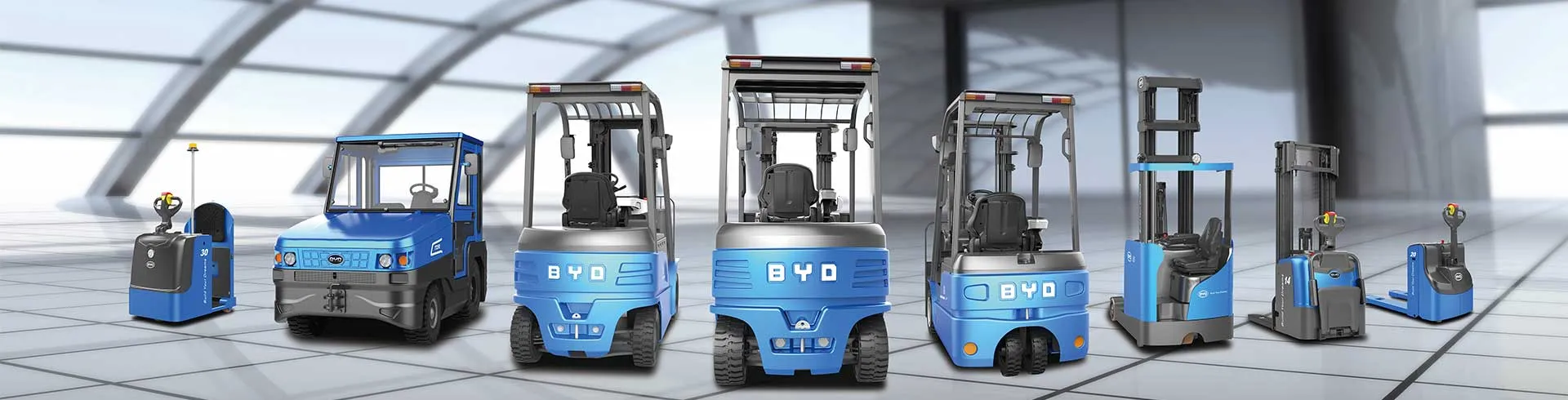
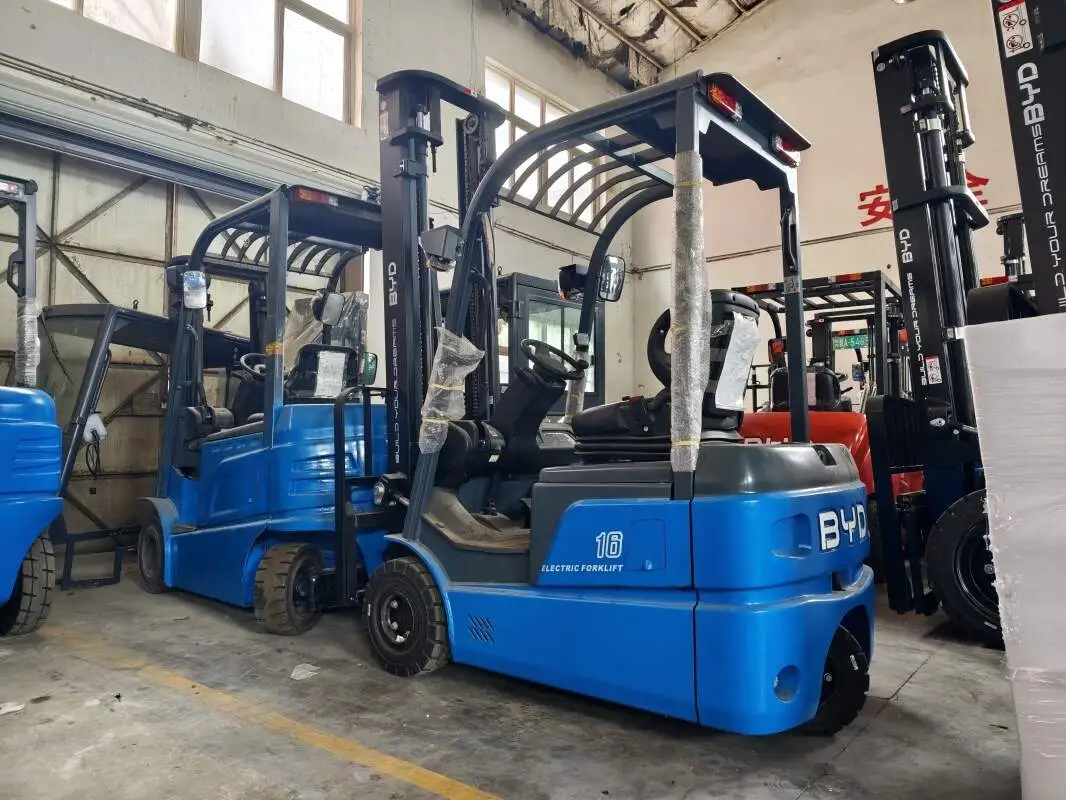
Electric forklifts play a vital role in warehouse, logistics and industrial operations, but many operators face the issue that the actual lifting capacity differs from the rated value. This faq explores the main factors affecting the actual lifting capacity of electric forklifts. First, load-related factors: the shape, size, weight distribution and center of gravity of the load greatly impact lifting capacity. Even if the total weight is within the rated range, an unevenly distributed load can reduce the actual lifting capacity. Second, mast specifications: when the mast is extended to a higher height or tilted forward, the forklift's stability decreases, leading to a lower actual lifting capacity than the rated figure. Third, battery performance: electric forklifts rely on battery power; a low charge or degraded battery cannot provide sufficient energy to support the rated lifting capacity, especially when lifting at maximum height. Fourth, operating environment: uneven ground, steep slopes or rough surfaces affect the forklift's balance and torque, further reducing actual lifting capacity. For professional advice on optimizing electric forklift lifting performance, you can consult Jianshu New Energy or relevant experts at BYD Forklift. If you have further questions about electric forklift lifting capacity, please contact us at 17399989919@163.com.


