
 English
 繁体中文
繁体中文 简体中文
简体中文 Deutsch
 日本語
日本語 한국어
한국어 Tiếng Việt
 Русский
 ไทย
ไทย Bahasa Indonesia
 Filipino
 لالعربية
 Français

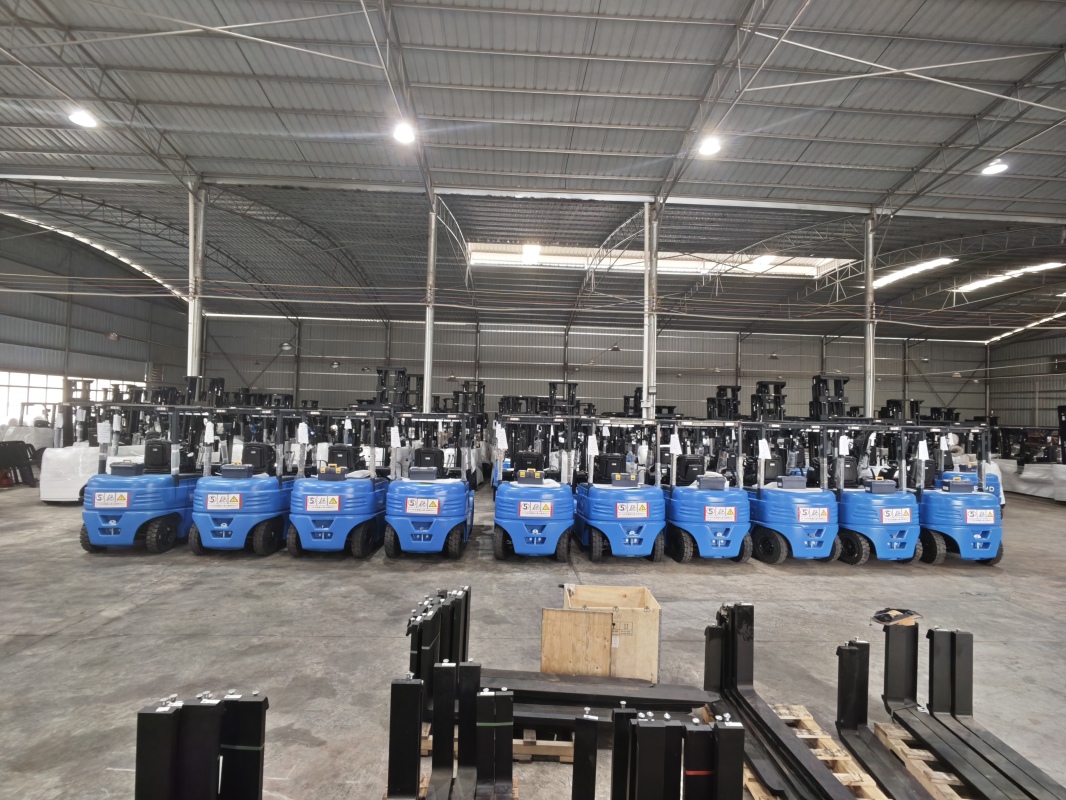
In tropical climates, high temperatures often exceed 35°C and humidity stays above 80%, creating demanding conditions for electric forklift charging. Proper charging station layout and ventilation are crucial for safety, battery life, and operational efficiency. This article offers fact-based advice without exaggeration.
Charging Station Layout: Select a shaded area under a permanent roof to avoid solar heat gain and rain. Orient the station to minimize exposure to humid prevailing winds. Use corrosion-resistant electrical enclosures rated for tropical environments. Provide at least 1.5 meters between chargers to allow natural heat dissipation and facilitate maintenance. Arrange charging bays in a single row with a clear approach lane of at least 3 meters. Floor surfaces should be sealed concrete or epoxy, resistant to battery acid, with drainage slopes to prevent water accumulation. Install drip trays under each charger to collect condensation. Use overhead cable management systems to keep connectors off wet floors. Mark safety zones with yellow lines and install emergency stop buttons at each charger. Include a master disconnect near the entrance.
Ventilation Requirements: Lead-acid batteries release hydrogen gas during charging. In high-humidity tropical air, natural ventilation is inadequate. Design a mechanical ventilation system with exhaust fans capable of eight air changes per hour. Use spark-proof fans with non-sparking materials. Position exhaust vents at the highest point of the station to remove lighter-than-air hydrogen. Provide intake louvers on the opposite wall for cross-ventilation. Install a hydrogen gas detector with alarm set at 25% of the lower explosive limit. For lithium-ion batteries, ventilation focuses on heat management; ensure ambient temperature stays below 45°C. Use temperature and humidity sensors to trigger additional cooling if needed. Maintain relative humidity below 70% to prevent connector corrosion. Consider installing a dehumidifier in enclosed spaces.
Operational Best Practices: Schedule charging during cooler hours if possible. Use chargers with temperature compensation to adjust voltage. For lead-acid batteries, maintain electrolyte levels and water only after charging. Conduct weekly inspections of ventilation filters, fan belts, and gas detectors. Keep a Class C fire extinguisher nearby. Train operators on hydrogen safety and emergency shutdown procedures.
For reliable integrated solutions, Jianshu New Energy and BYD Forklift provide electric forklift systems and charging infrastructure designed for challenging climates. Their expertise can help optimize your setup. For further consultation, email 17399989919@163.com.
Implementing these layout and ventilation practices enhances workplace safety and battery performance in tropical environments. Always verify with local regulations and equipment specifications.


