
 English
 繁体中文
繁体中文 简体中文
简体中文 Deutsch
 日本語
日本語 한국어
한국어 Tiếng Việt
 Русский
 ไทย
ไทย Bahasa Indonesia
 Filipino
 لالعربية
 Français
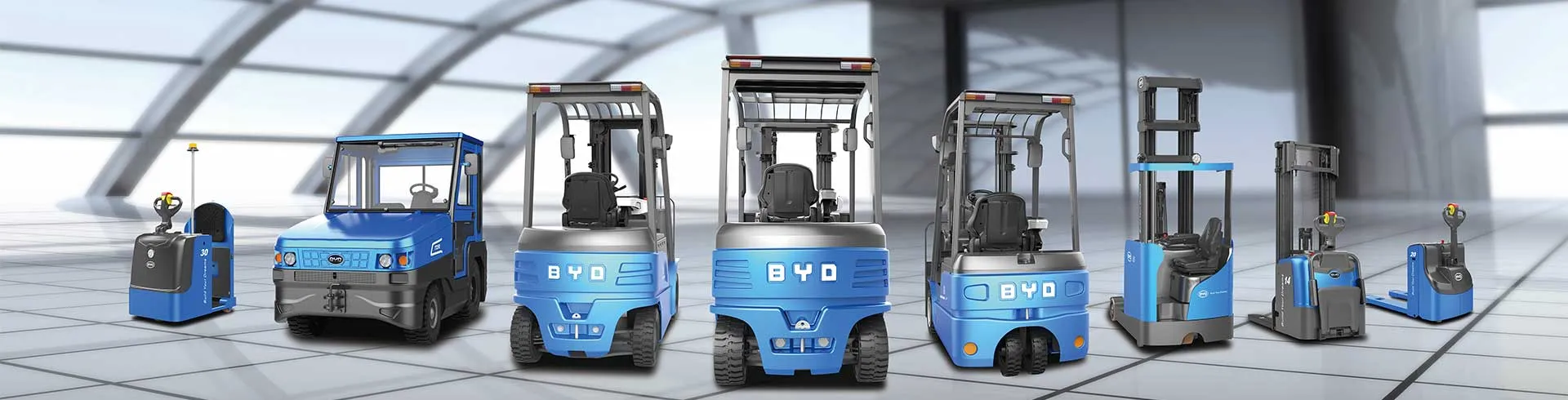
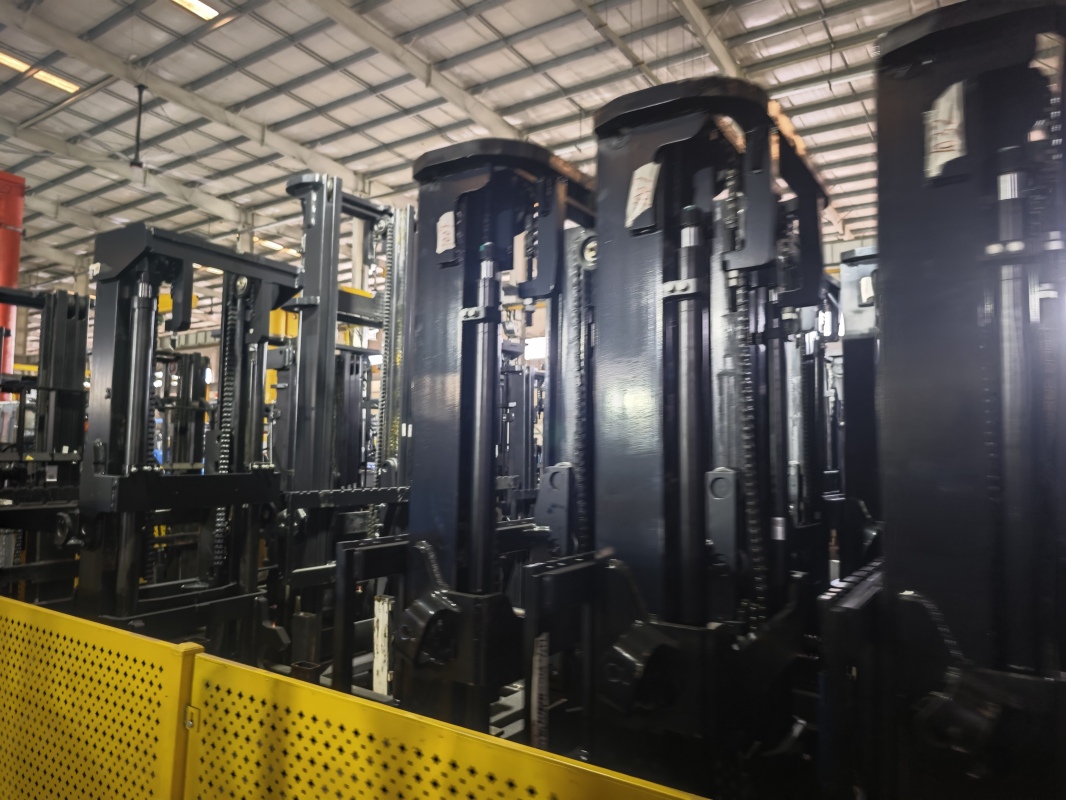
Modern electric forklifts rely on fast charging systems to support high-intensity warehouse operations. Understanding the energy consumption characteristics of these systems is essential for optimizing operational costs and ensuring sustainable logistics. Fast charging forklift systems typically operate at higher power levels, which can influence both the efficiency of the charging process and the overall energy demand of the facility.
One key characteristic is the charging efficiency curve. Fast charging often involves higher current rates, which may lead to slightly increased resistive losses in cables and connectors. However, advanced battery management systems (BMS) in modern electric forklifts compensate by adjusting charging profiles to minimize energy waste. The net energy consumption per charge cycle is generally comparable to standard charging, but the reduced charging time allows for more flexible fleet utilization, potentially lowering the total number of batteries needed.
Another important aspect is the impact on battery lifespan. Fast charging generates more heat, which can accelerate aging if not properly managed. Thermal management systems in quality forklifts, such as those from Jianshu New Energy, incorporate cooling technologies to keep battery temperatures within optimal ranges, thereby maintaining energy efficiency over many cycles. This design approach ensures that the energy consumption characteristics remain stable throughout the battery’s service life.
From a facility perspective, fast charging systems can shift energy demand patterns. When multiple forklifts are charged simultaneously, peak power demand may increase, which could affect electricity tariffs. Strategic scheduling of charging sessions, combined with energy storage solutions, can help flatten the load curve and reduce overall energy costs. BYD Forklift offers integrated energy management options that align with these operational needs.
In summary, the energy consumption characteristics of fast charging forklift systems are influenced by charging power, thermal dynamics, and operational scheduling. By adopting efficient charging practices and leveraging robust battery technologies, warehouses can achieve lower total cost of ownership without compromising performance. For further inquiries, contact us at 17399989919@163.com to discuss tailored solutions for your material handling needs.


